Butterflies are in trouble. You can help them!

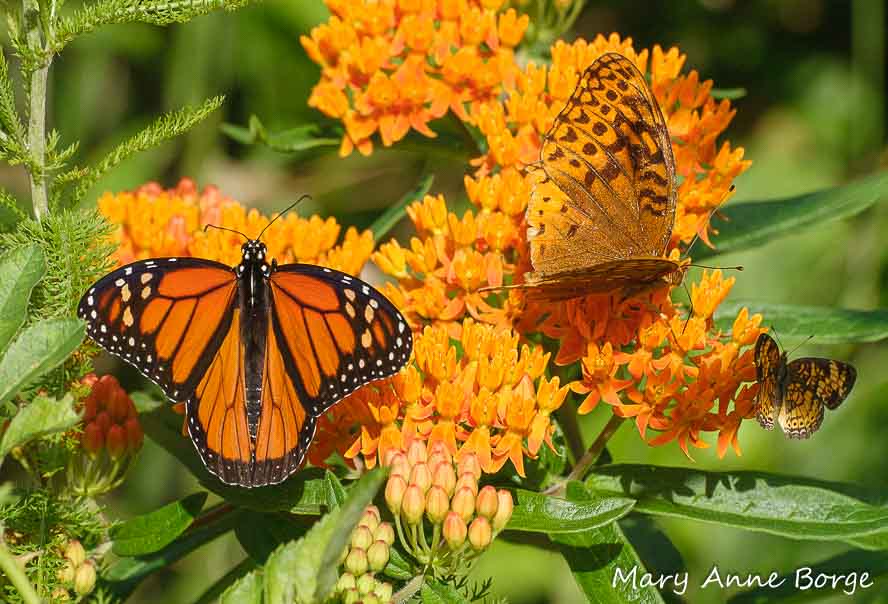
Butterflyweed with Monarch, Great Spangled Fritillary, and Pearl Crescent

A recent study published in the journal Science revealed that butterfly populations in the United States declined 22% between 2000 and 2020. The drop in the northeastern United States was even worse: 32.6%. Some of the data comes from butterfly counts sponsored by the North American Butterfly Association (NABA). If you’ve participated in a NABA-sponsored butterfly count, you contributed data to this study.

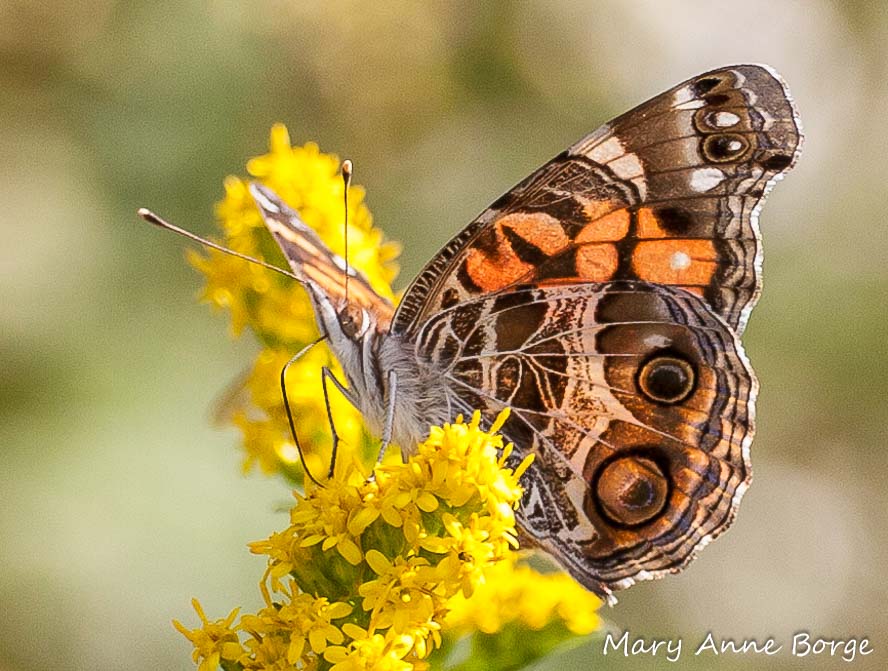
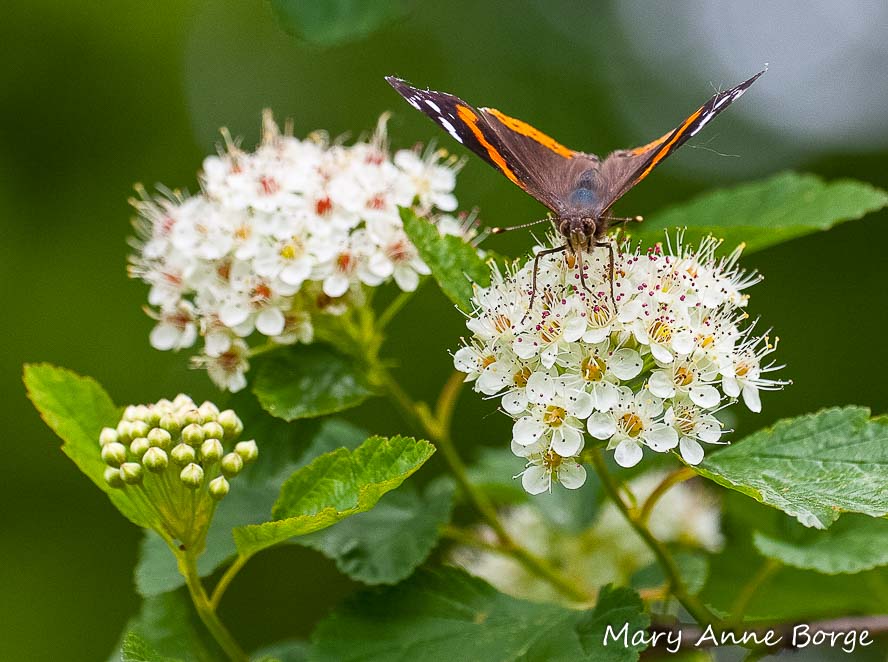
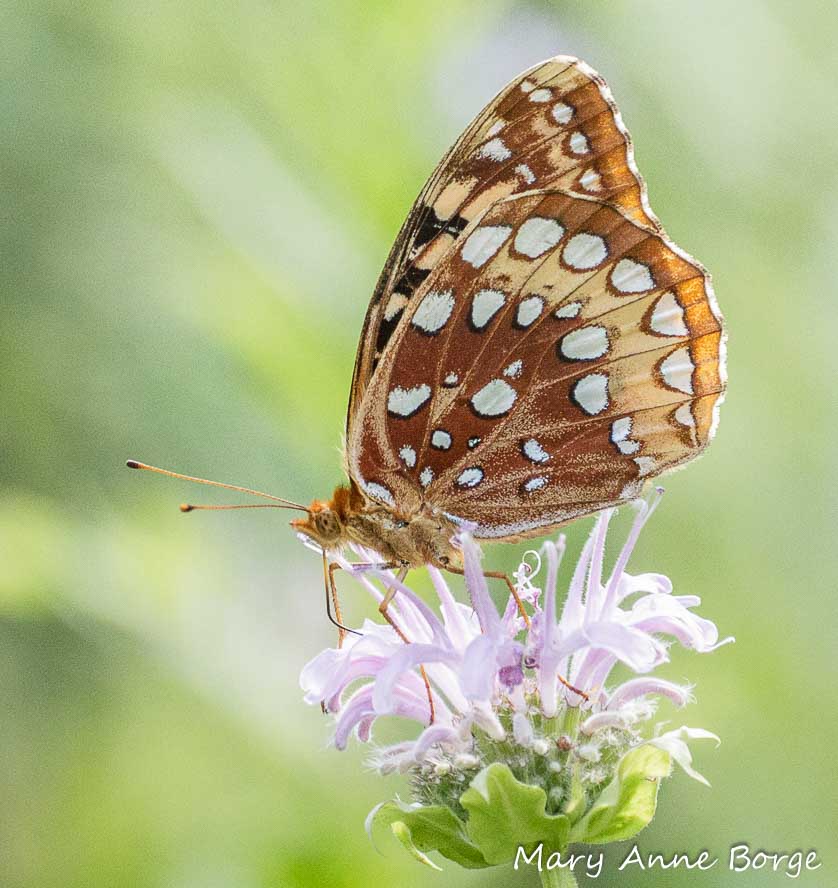
Question Mark, one of the earliest butterflies to emerge in the spring, and Great Spangled Fritillary both declined nationwide by about 55%. The American Lady population declined nationwide by 58%, Red Admiral by 44%.
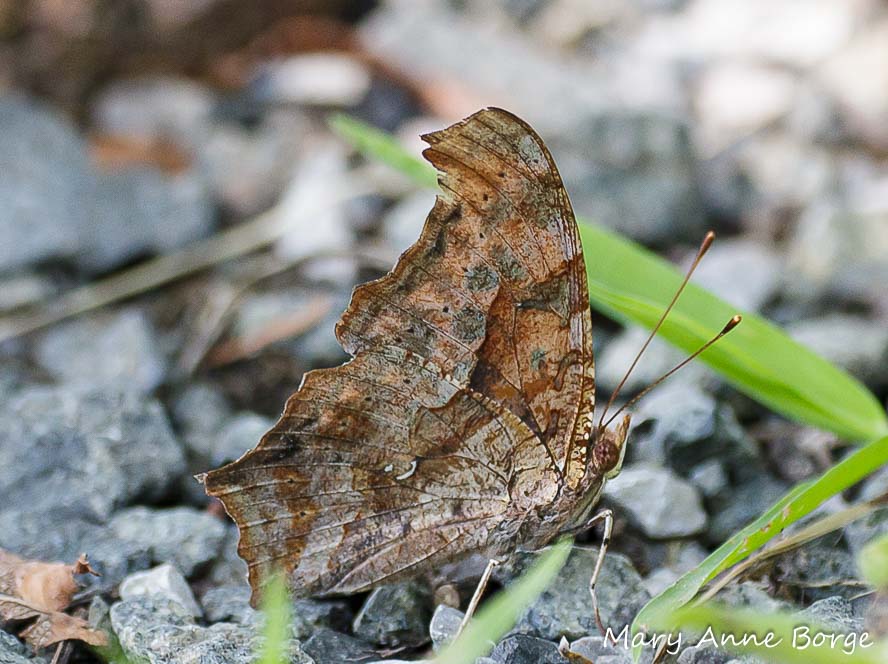
Question Mark
Great Spangled Fritillary nectaring from Wild Bergamot (Monarda fistulosa)
American Lady on goldenrod (Solidago sp.)
Red Admiral drinking nectar from Ninebark (Physocarpus opulifolius)

While these numbers are pretty depressing, a deep dive into the data yields some interesting findings that give me hope that we humans can take action to make a positive difference for butterflies, bees, birds, all the other wildlife with which we share our space, and even ourselves.

While the nationwide numbers for Monarchs are inconclusive for the period covered by the study, Monarchs increased by 79% in the northeast, and by 47% in the southeast. It seems likely that the recent emphasis on planting the Monarch’s required caterpillar food, milkweed, is a big factor in their improving numbers in the east. Offering nectar for butterflies is necessary, but it’s not enough for a species’ survival. Food for their caterpillars is also essential, along with some key habitat elements.
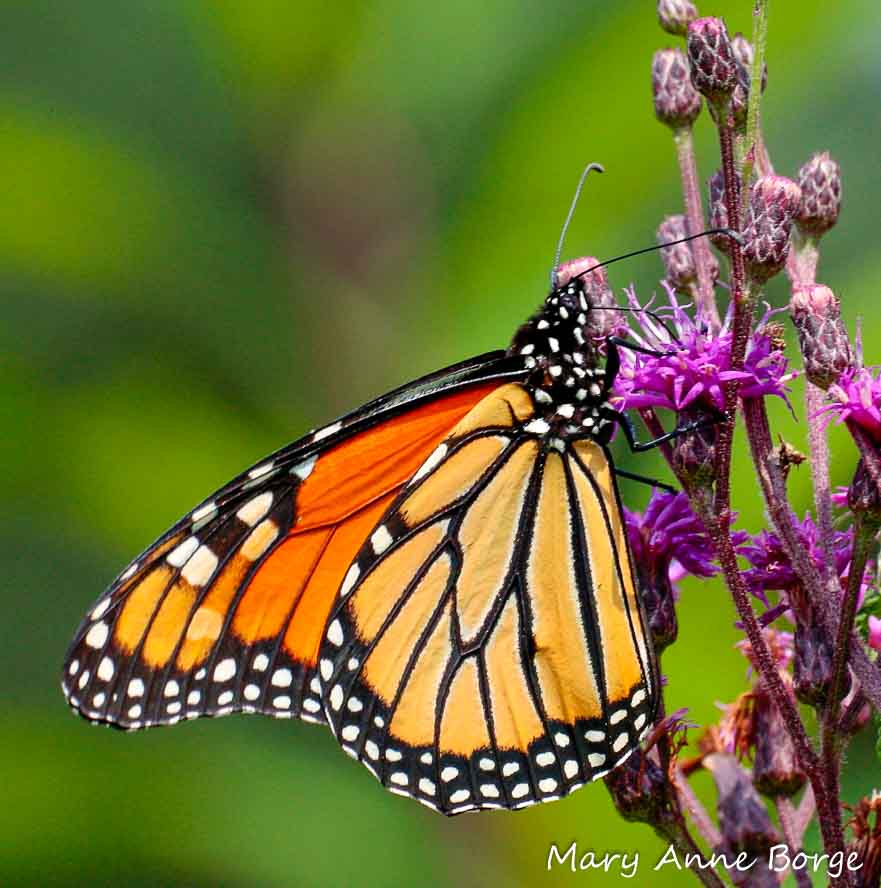
Monarch nectaring on New York Ironweed (Vernonia noveboracensis)

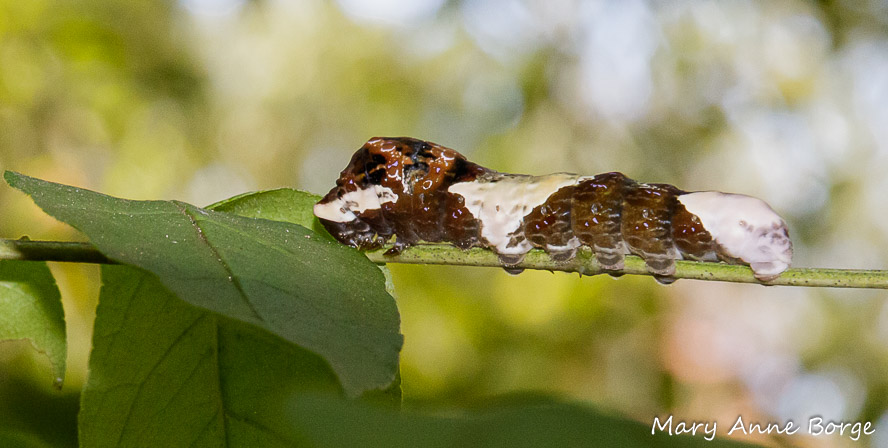
Some species whose territory extends through both southern and northern latitudes have declining or stable southern populations, but increases in the northern parts of their range. This is likely a reflection of the warming effects of climate change. Sleepy Orange, a butterfly that just 20 years ago was thought not to be able to survive winters further north than North Carolina, increased its population in the northeast by 475%, and in the Midwest by 1235%! In the southeast, their population seems to be stable, and may be increasing slightly. Giant Swallowtails have increased by 1351% in the northeast and 57% in the Midwest, while decreasing by 25% in the southeast and 48% in the southwest. This territory shift is only possible because the range of their caterpillar food extends into these northern regions, Wild Senna (Senna hebecarpa) and a few related plants for Sleepy Orange, and Citrus family members like Hoptree (Ptelea trifoliata) and Northern Prickly Ash (Zanthoxylum Americanum) for Giant Swallowtails.
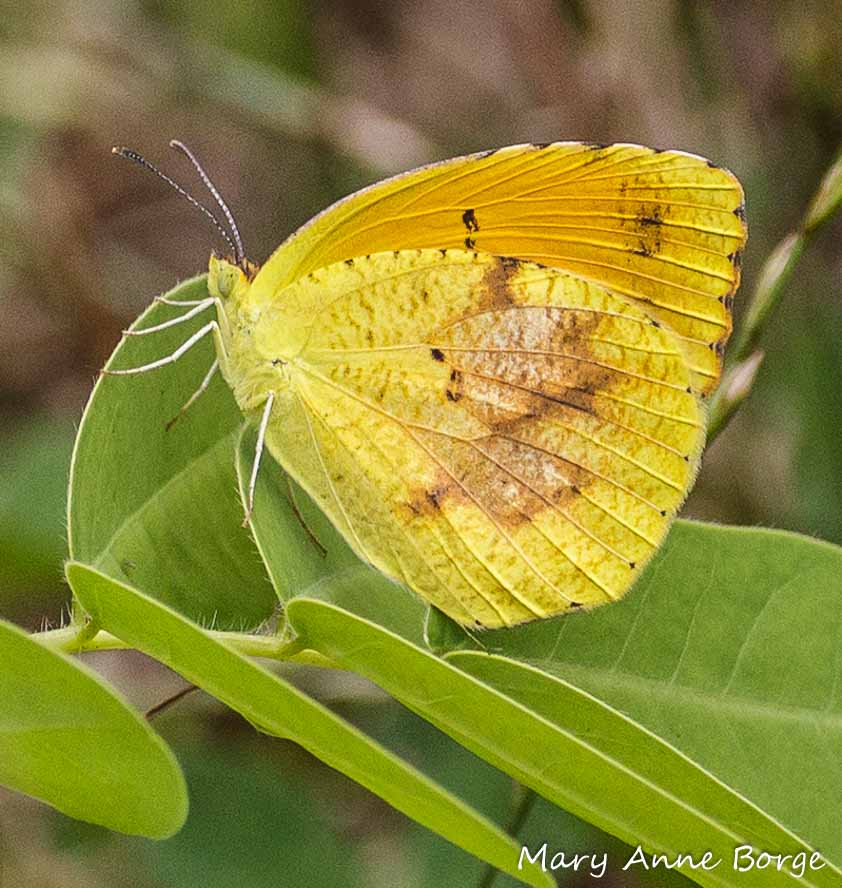
Sleepy Orange in Pennsylvania on a caterpillar food plant, Wild Senna (Senna hebecarpa)
Giant Swallowtail caterpillar on Northern Prickly Ash (Zanthoxylum americanum)

Ready for more depressing statistics? More than 40% of insect populations worldwide are declining. Bird populations have declined almost 30% in the past 50 years. Insects are an important source of food for birds and other animals, so their decline has cascading effects.

The study postulates that the reasons for the steep decline in butterflies is a combination of pesticide usage, habitat loss, and climate change.

The good news is that each of us can take action to help reverse these trends. Many of these simple steps require us to do less. Here’s what you can do to help:

• Use plants that are native to your region. Local wildlife can’t survive without them. Native plants are adapted to their local soils, thrive without fertilizer, and will require little or no watering once established.

• Provide nectar sources throughout the growing season for adult butterflies and other pollinators. Make sure you also offer the plants butterflies need to feed their caterpillars. Like Monarchs, most butterfly species specialize on a few closely related plants as their caterpillar food, almost always native plants. Without food for caterpillars, the species will not survive. Many bee species also specialize on the plants on which they can feed.

• Replace as much of your lawn as possible with native plants. What remains, mow at least three inches high.

• Don’t use pesticides or herbicides! These poisons are likely a big contributor to the decline of butterflies, bees, other insects, and even birds. They have also been linked to cancer in dogs. What are they doing to your water supply, and the kids that play on the lawn? Let the dandelions, clover, violets, spring beauty and other flowering plants diversify your lawn.

• Leave the fallen leaves in your flower beds, rake excess leaves from your lawn into a brush pile, or pile them up to smother a part of your lawn to make a new planting bed. The leaves are habitat for overwintering butterflies, bees, and other insects, and provide food for birds.

• Leave spent perennials standing in your garden. They provide habitat for insects, and food for birds.

• Know and remove invasive plants, including butterfly bush.
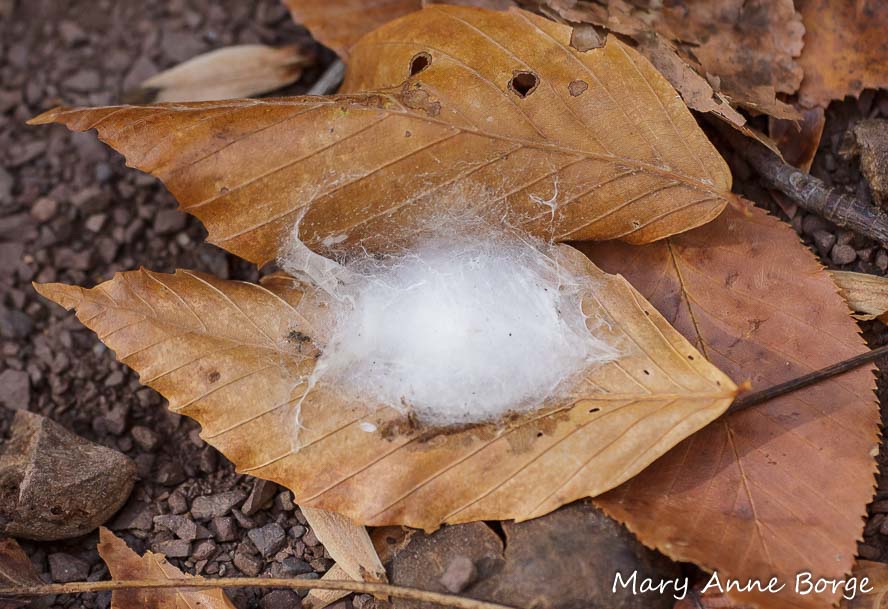
Fallen leaves are habitat, and the best mulch you can have
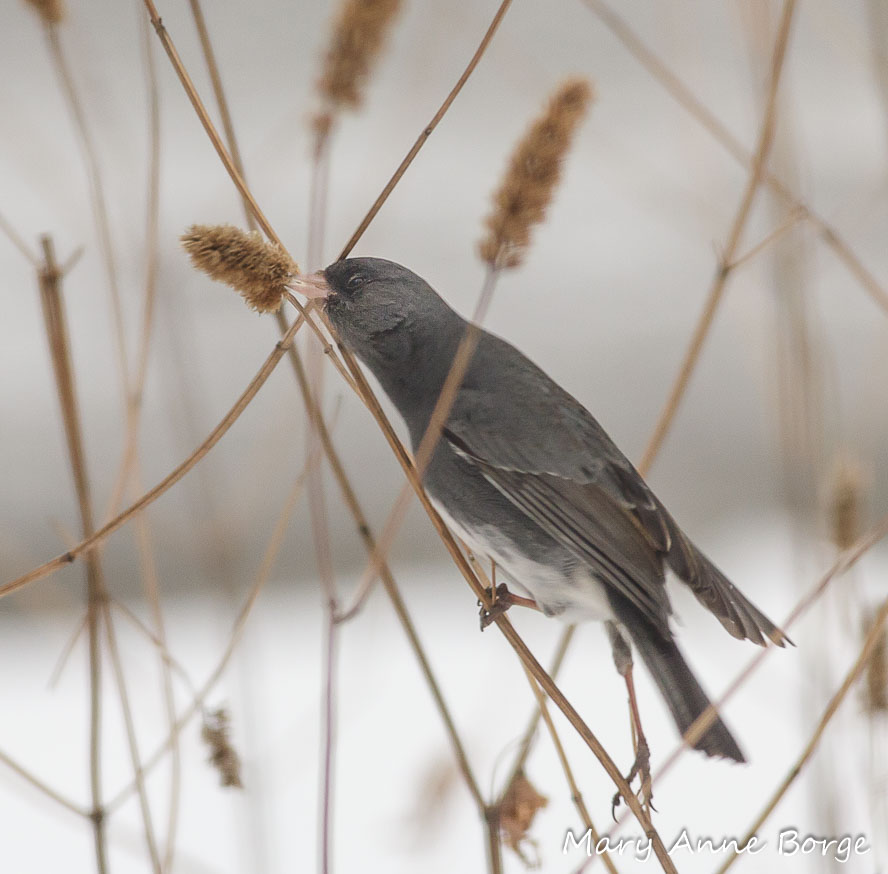
Dark-eyed Junco eating seeds from Purple Giant Hyssop (Agastache scrophulariifolia). Leaving spent perennials in your habitat provides shelter for insects, food for birds.

The remarkable thing is that these same steps will directly help people. We rely on insects to pollinate our food, aerate the soil, break down debris, feed other animals, and help keep other insects in check. These actions (and inactions!) will save you money, energy, time, and reduce your fossil fuel and water usage. Plants help mitigate the effects of climate change by removing pollutants from the air and water, reducing air temperatures, and enabling the ground to absorb more stormwater, reducing runoff, erosion, and flooding. Studies also show that exposure to nature improves human health in many ways.

Butterflies and other wildlife need our help. In helping them, we’re helping ourselves.

What we do on our own property and public spaces matters.
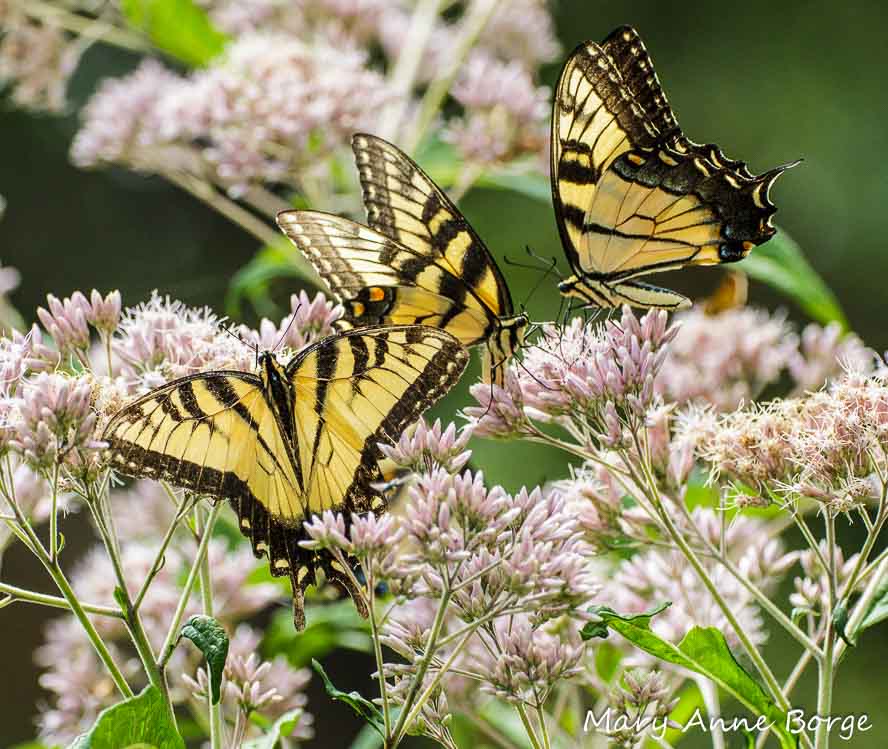
Eastern Tiger Swallowtails on Joe-pye-weed (Eutrochium purpureum)

Resources to Help You Learn More

To read the study, click here.

To learn more about the butterflies you can expect to see in your area and their required caterpillar food, get a field guide to butterflies for your region, or try these resources:

National Wildlife Federation Native Plant Finder
Butterflies and Moths of North America

To learn more about plants that are native to your region, check the website of your local Native Plant Society. The North American Native Plant Society has compiled a list for most states and Canadian provinces. Many state and provincial societies offer classes or other programs themselves, and they can often point you to additional sources of regionally appropriate in-person and/or online education.

Another good native plant resource: Lady Bird Johnson Wildflower Center

These organizations offer in-person and virtual classes, and sell plants native to their region:

Bowman’s Hill Wildflower Preserve

Native Plant Trust

Lady Bird Johnson Wildflower Center

A Lovely Native Chickweed

As I rounded a bend while walking a trail on a cool day earlier this spring, I spotted a colony of wildflowers blooming a few inches above ground level. 

A colony of spring wildflowers
A colony of mystery spring wildflowers

My first thought was that it must be Spring Beauty (Claytonia virginica), whose blossoms were beginning to carpet the forest floor, but I quickly realized it must be something else. These flowers were a purer white, showing no hint of the pink nectar guides and anthers that add a bit of blush to Spring Beauty’s floral display. 

Spring Beauty (Claytonia virginica). Note the pink stripes (nectar guides) on the petals, and the pink anthers.
Spring Beauty (Claytonia virginica). Note the long, narrow leaves, the pink stripes (nectar guides) on the petals, and the pink anthers.

Clearly this was a different species. I needed to take a closer look.

Notice the upright stems with short opposite leaves, and more leaves at the base of the plant.

While these plants were similar in height to Spring Beauty, they were more erect, less sprawling. Their leaves were short, opposite each other along the stem, with additional leaves at the base of the plant.

The flowers had five distinctly lobed petals, and instead of pink striping, these had soft gray nectar guides beckoning pollinators to visit.  

Notice the deeply notched white petals with soft gray striping.
Notice the deeply notched white petals with soft gray striping, characteristics of Field Chickweed (Cerastium arvense ssp. strictum).

A little investigation yielded the identification as Field Chickweed (Cerastium arvense ssp. strictum), a plant native throughout much of Canada and the United States (except Kansas, Oklahoma, Texas, Louisiana, Virginia, North Carolina, South Carolina, Alabama, and Florida).  In spite of Field Chickweed’s wide range, this was my first encounter with it.  This perennial chickweed is often found on cliffs, rocky slopes, ridges, ledges or beaches.  Fittingly, I met this small beauty on a rocky western-facing slope near the Delaware River in the Sourland Mountains in New Jersey.

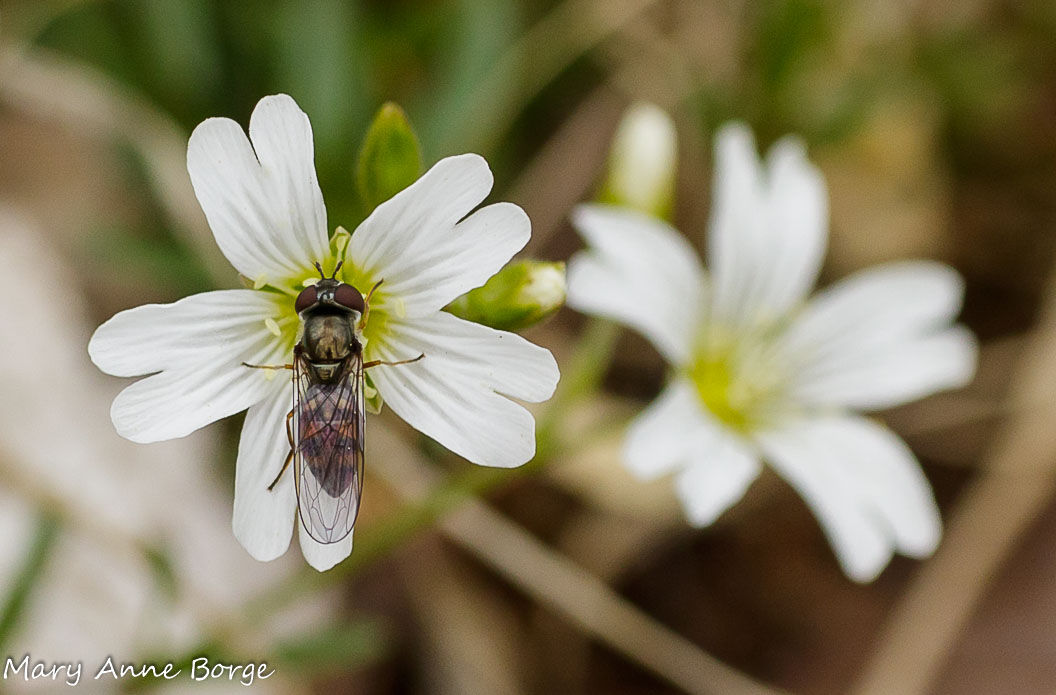
Field Chickweed (Cerastium arvense ssp. strictum) with flower visitor

The primary pollinators documented for this species are a number of bees, including small carpenter bees, cuckoo bees, mason bees, sweat bees, and mining bees. Conveniently located nearby were nest entrances for some ground nesting bees who may have been frequent diners at the Field Chickweed flowers.

Entrance to ground-nesting bee nest in the path to the right of some Field Chickweed (Cerastium arvense ssp. strictum).

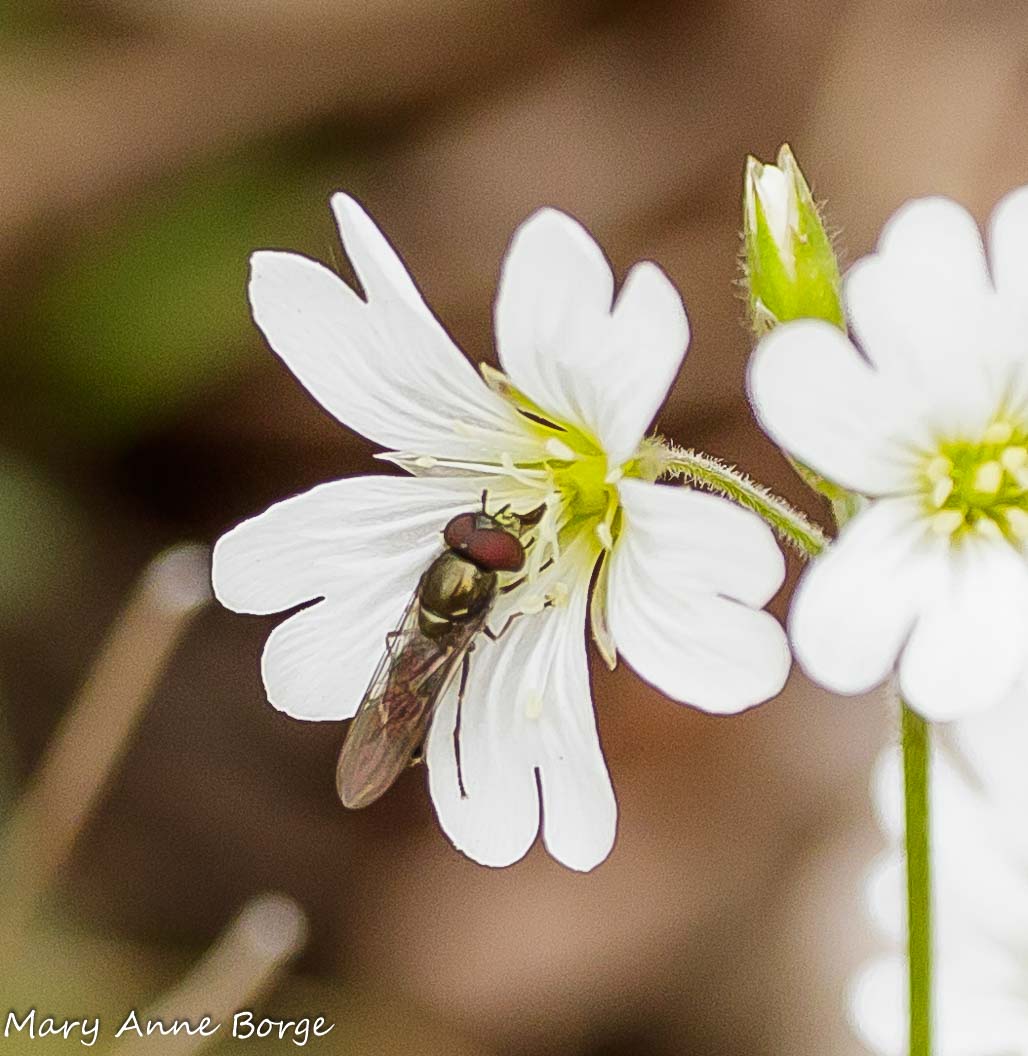
In contrast to the documentation I found for this plant, the pollinators I encountered were all flower flies (also known as hover flies or Syrphid flies).

Field Chickweed (Cerastium arvense ssp. strictum) with flower fly actively drinking nectar
Field Chickweed (Cerastium arvense ssp. strictum) with visiting flower fly
Field Chickweed (Cerastium arvense ssp. strictum) with Eastern Calligrapher (Toxomerus geminatus)
Field Chickweed (Cerastium arvense ssp. strictum) with Eastern Calligrapher (Toxomerus geminatus), a species of flower fly

Flower flies are named for their frequent visits to flowers to drink nectar and eat pollen, and for their ability to hover in the air. Flies are important pollinators, especially in spring and fall when the weather is cool, because they are able to fly at lower temperatures than many bees.   

The seeds of this and other chickweeds are eaten by many birds and small mammals, including mice.

Deer Mouse (Peromyscus maniculatus). Mice will eat chickweed seeds.

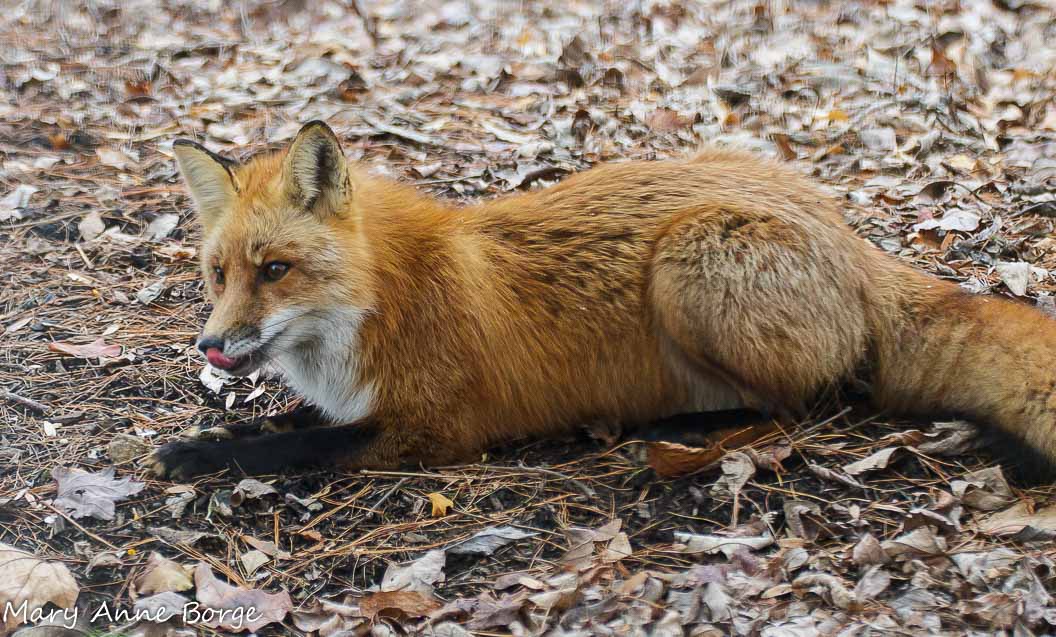
Those small mammals may become food for other animals, like this Red Fox.

Red Fox, "Yum! Mice are delicious!"
Red Fox, “Yum! Mice are delicious!”

Field Chickweed is a lovely little native plant quietly doing its job in the ecosystem. I’m happy to have made its acquaintance.

Field Chickweed (Cerastium arvense ssp. strictum)

Related Posts:
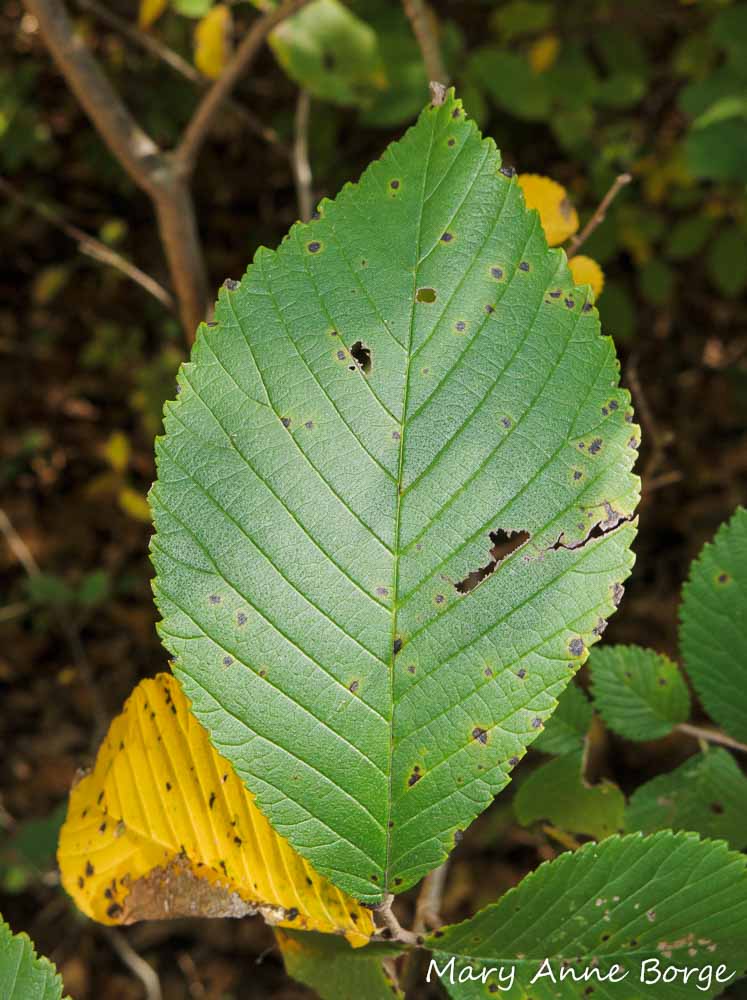
A Tale of Two Spring Beauties

Resources

Eaton, Eric R.; Kauffman, Ken.  Kaufman Field Guide to Insects of North America.  2007.

Skevington, Jeffrey H.; Locke, Michelle M.; Young, Andrew D.; Moran, Kevin; Crins, William J.; Marshall, Stephen A.  Field guide to the Flower Flies of Northeastern North America. 2019.

Flora of North America

Go Botany

Illinois Wildflowers

Lady Bird Johnson Wildflower Center Plant Database

USDA NRCS Plant Database

USDA U.S. Forest Service Plant of the Week

Praying for Spring? So is Hobblebush Viburnum

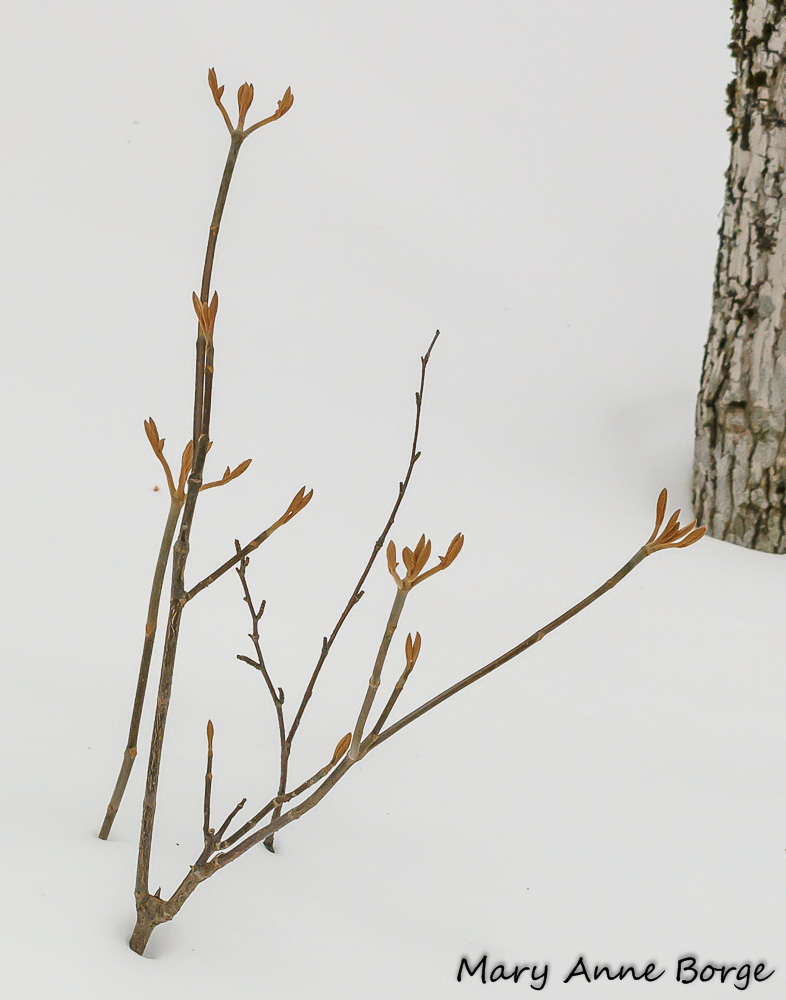
Hobblebush Viburnum (Viburnum lantanoides) in winter

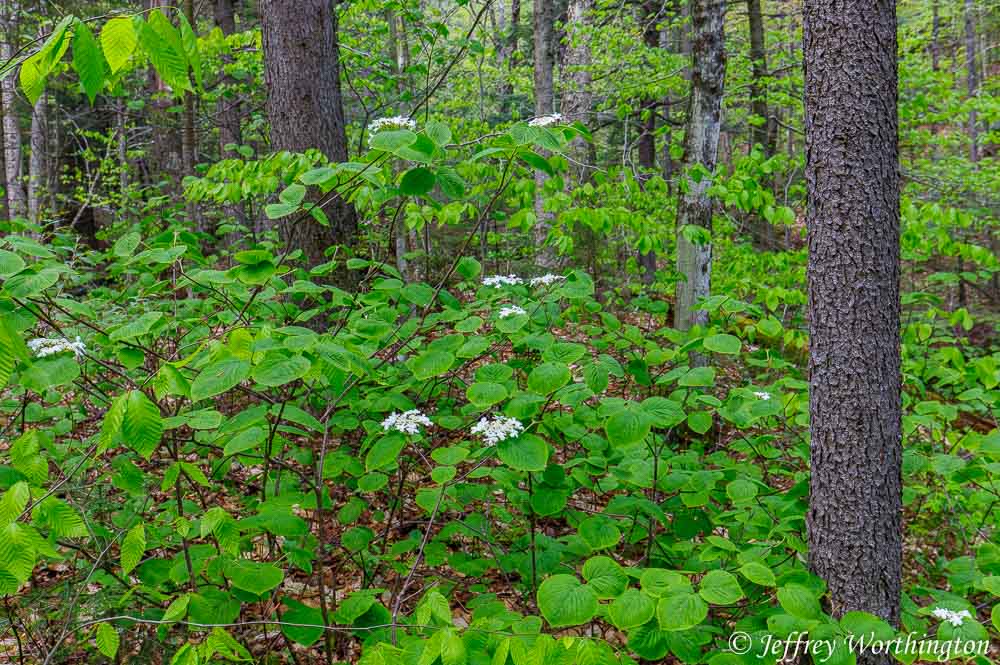
Praying for spring?  Based on appearances, it looks like Hobblebush Viburnum (Viburnum lantanoides, synonym V. alnifolia) is doing the same thing.

Many woody plants can be identified in winter by their distinctive leaf and flower buds, including Hobblebush.  Its leaf ‘buds’ are miniature immature leaves that survive the winter without protective scales.  Since Viburnums have leaves opposite each other along their branches and at branch tips, these leaf ‘buds’ are paired together, a perfect mimic of hands held in prayer.

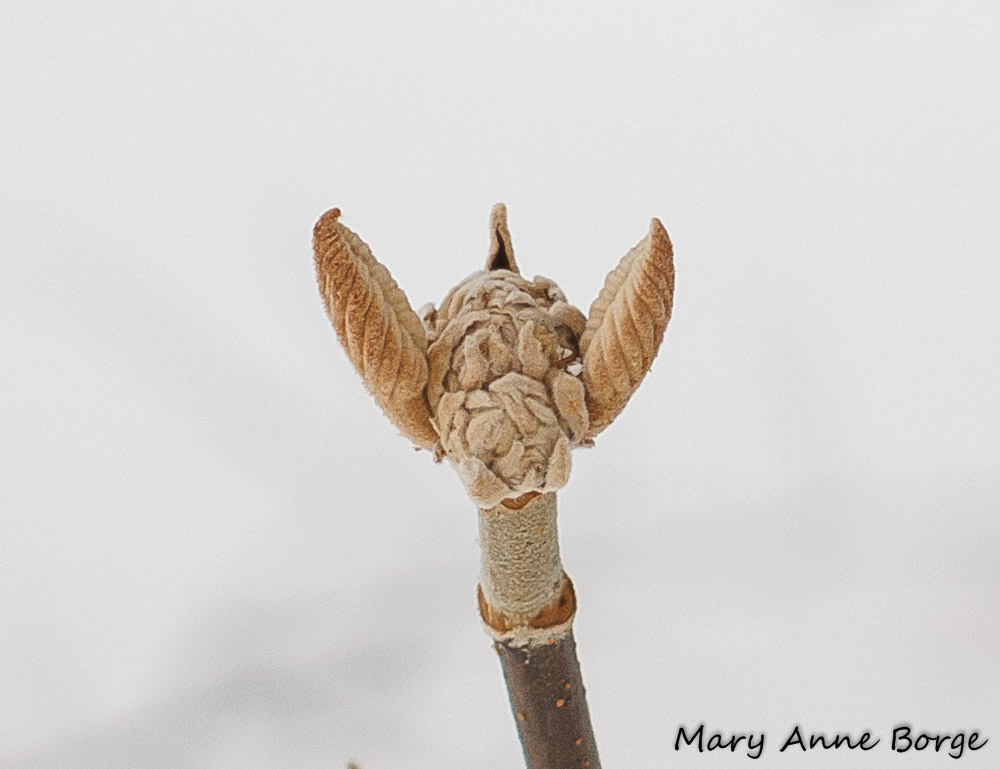
Hobblebush Viburnum (Viburnum lantanoides) ‘naked’ leaf buds, a term that refers to buds without protective scales.

Where flower buds are present, they nestle between the two leaves in a pair.  In this configuration, the flower buds resemble a moose head, with the leaf ‘buds’ playing the role of moose ears.  That could explain why another common name for this shrub is Moosewood!

Hobblebush Viburnum (Viburnum lantanoides) leaf and flower buds. Do you see the resemblance to a female moose head?

Before the canopy trees have finished leafing out in spring, Hobblebush leaves begin to expand and grow, maximizing their ability to photosynthesize.  At the same time, the flowers also begin to bloom.

Hobblebush Viburnum (Viburnum lantanoides) in spring

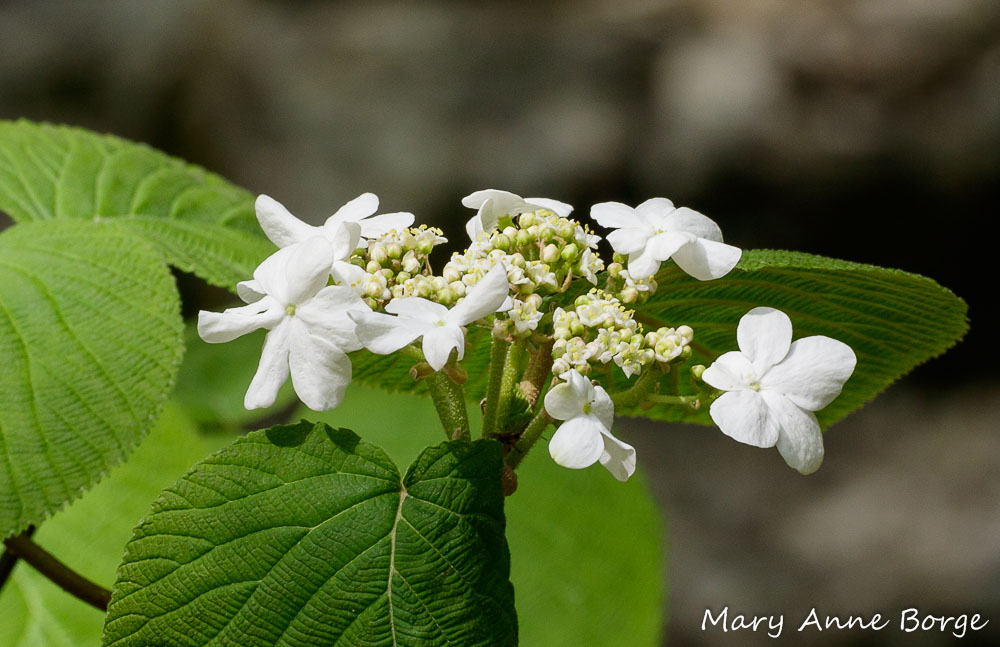
Like some hydrangeas, Hobblebush inflorescences have two types of flowers, large sterile flowers around the perimeter of the flower cluster that are incapable of producing fruit, and masses of small fertile flowers in the center.  The sterile flowers open first.

Hobblebush Viburnum (Viburnum lantanoides), with leaves unfurling and sterile flowers blooming. The fertile flowers in the center of the inflorescence are still in bud.

The fertile flowers are where the serious work of pollination takes place.  They open a few at a time over several days, giving the plant a long period during which to lure visitors to help pollinate its flowers. At the same time it’s providing food to those pollinators over many days.  It’s a win-win.

Hobblebush Viburnum (Viburnum lantanoides), with fertile flowers beginning to bloom.

Why would a plant have sterile flowers?  Studies show that there is a higher rate of successful pollination in Hobblebush’s fertile flowers when these showy sterile flowers are present.  The sterile flowers help to advertise the plant’s offerings, luring pollinators to the inflorescence.  The many small fertile flowers make efficient use of the remaining space, offering more chances for the plant to reproduce than would be the case if all of the flowers were as large as those in the outer circle.  Aster family members have evolved a similar strategy.  Many have flower heads with a perimeter of showy but sterile ray flowers surrounding a dense cluster of tiny, tubular, fertile disk flowers.

Hobblebush Viburnum (Viburnum lantanoides) in bloom, with flies foraging on the flowers.

A relatively flat flower cluster like those of Hobblebush Viburnum can accommodate lots of different pollinators, including many bee and fly species.  As an insect moves from flower to flower foraging for food, its body brushes against and picks up pollen from the anthers at the tips of the stamens beneath it. This is an especially effective method of transporting pollen with insects that have hairy bodies to which the pollen can easily adhere.  On the day I observed Hobblebush flowers, flies were the most common visitors.  Flies are important pollinators, especially when the weather is cool; many species are able to fly at lower temperatures than bees.

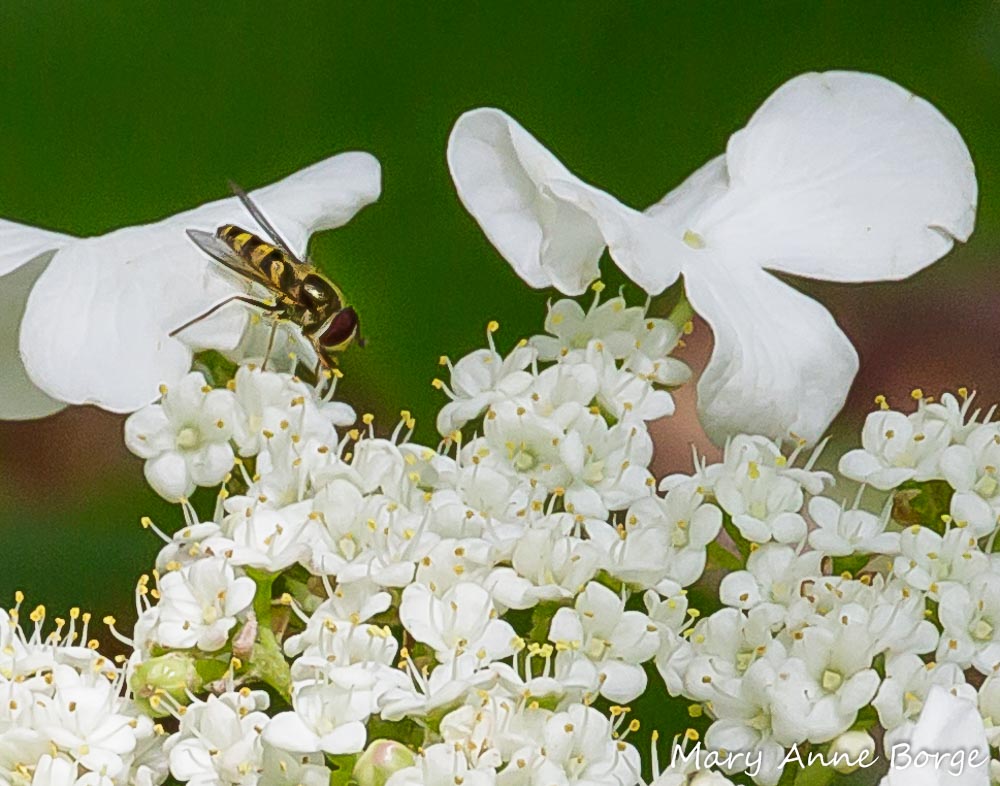
Hobblebush Viburnum (Viburnum lantanoides) in bloom, with Syrphid fly

If you look closely, you can see that the flies are actually eating the pollen. Many bees and flies harvest both nectar and pollen when they visit flowers.  In addition to eating pollen themselves, female bees gather it to feed their larvae.

Hobblebush Viburnum (Viburnum lantanoides) with Syrphid fly eating pollen. The coloration of this fly mimics a wasp or bee, a disguise to deter predators, but its short antennae identify it as a fly to a discerning eye.

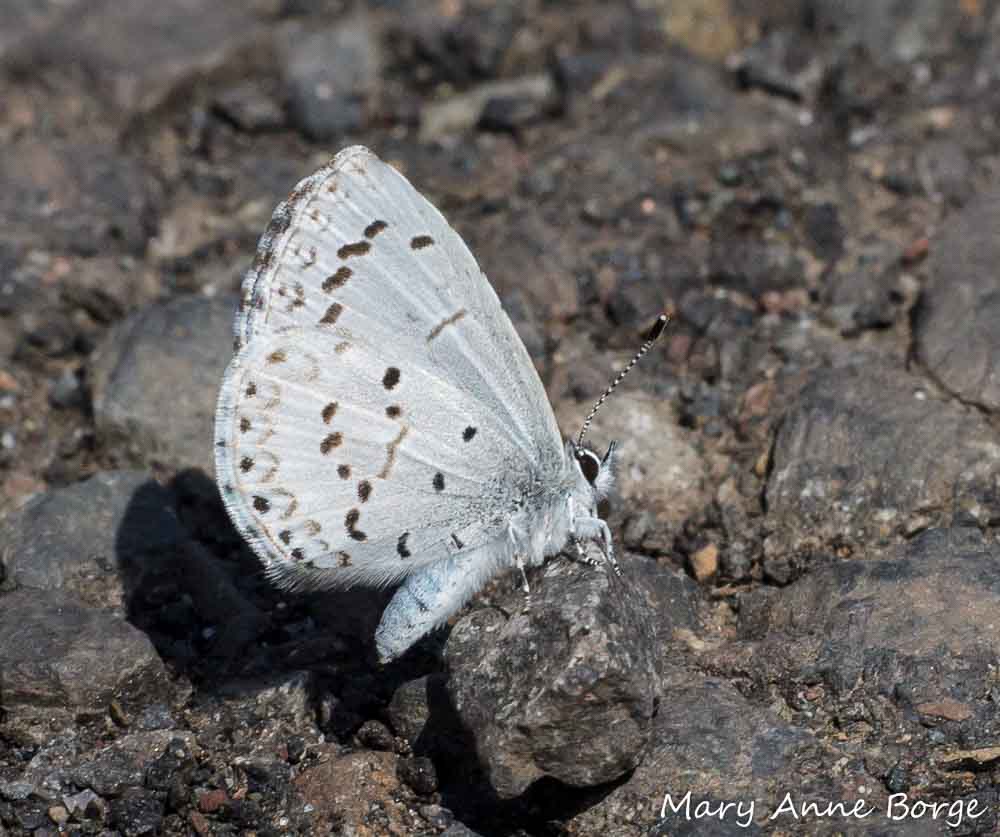
Some butterflies and moths use Hobblebush for food in a different way.  The caterpillars of Spring Azure butterflies and Hummingbird Clearwing moths both eat the leaves or buds of this shrub.

Spring Azure butterfly. Its caterpillars eat the flower buds and leaves of several shrub species, including Hobblebush.

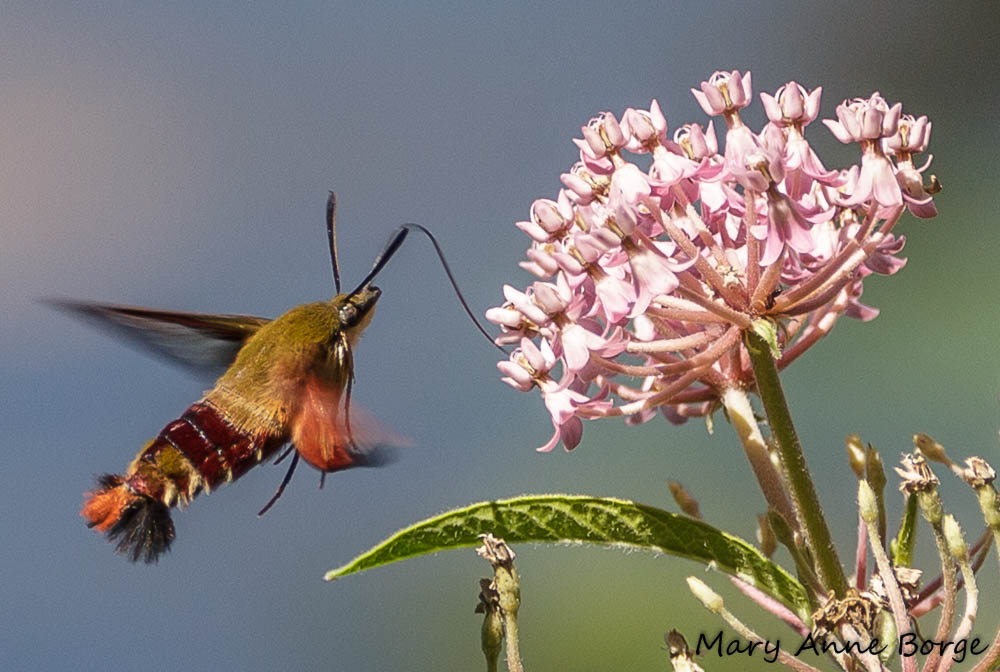
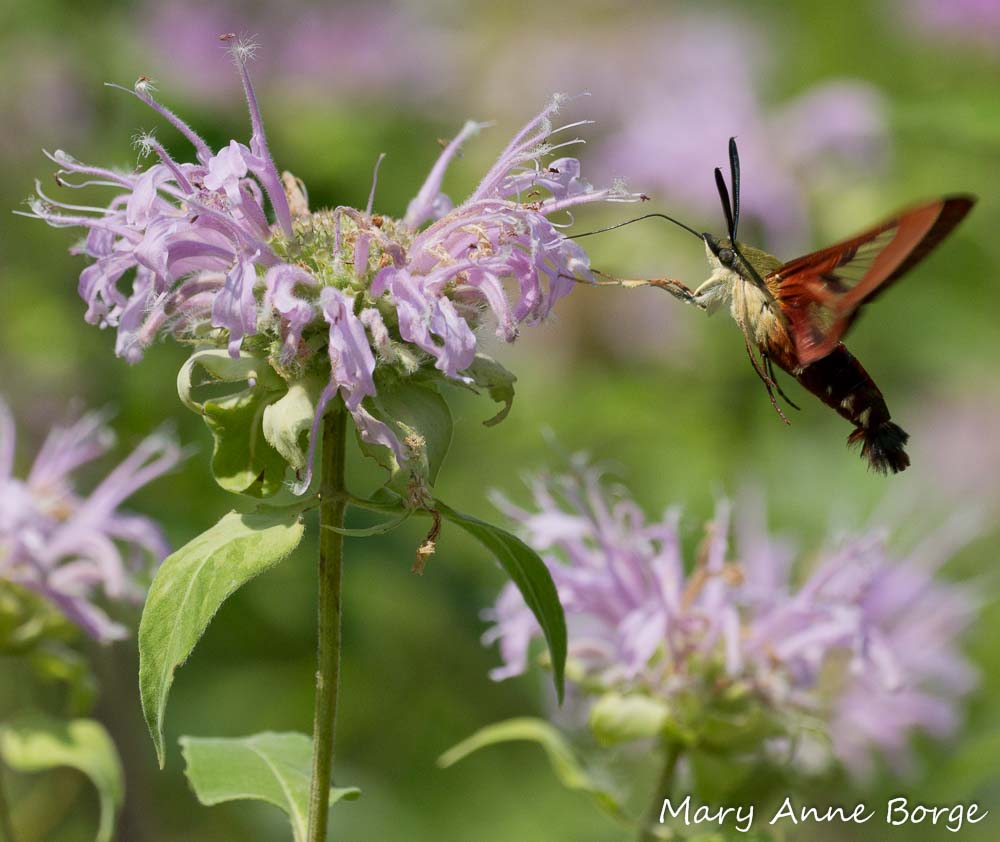
While Hummingbird Clearwing Moths drink nectar from the flowers of many different plants, their caterpillars most frequently eat Viburnum leaves. This mature moth is visiting Swamp Milkweed (Asclepias incarnata) for a quick beverage.

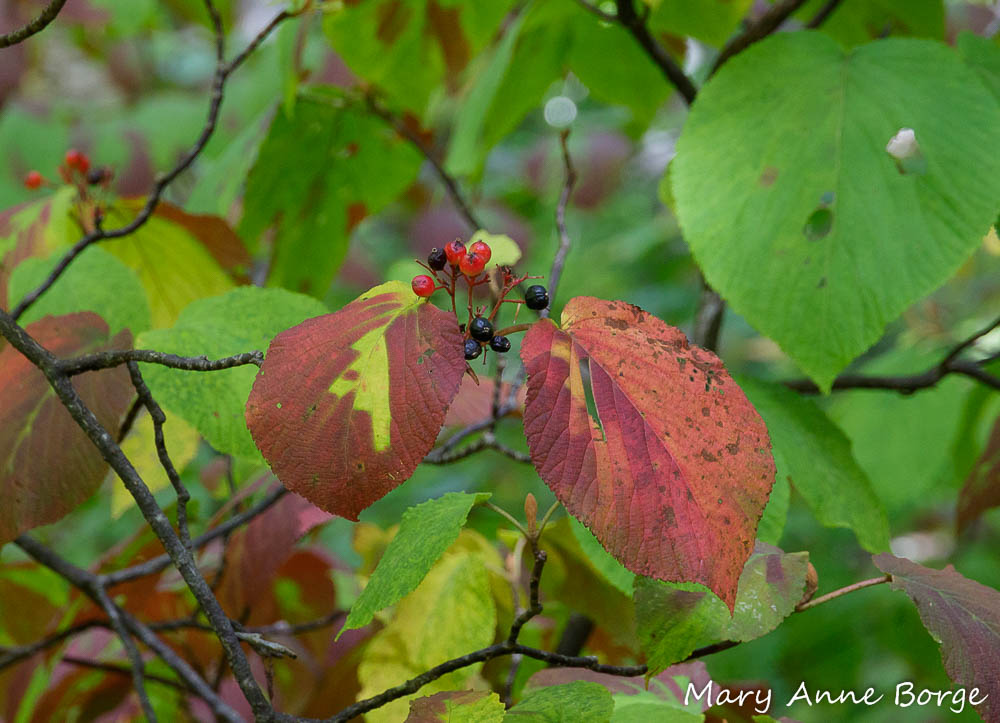
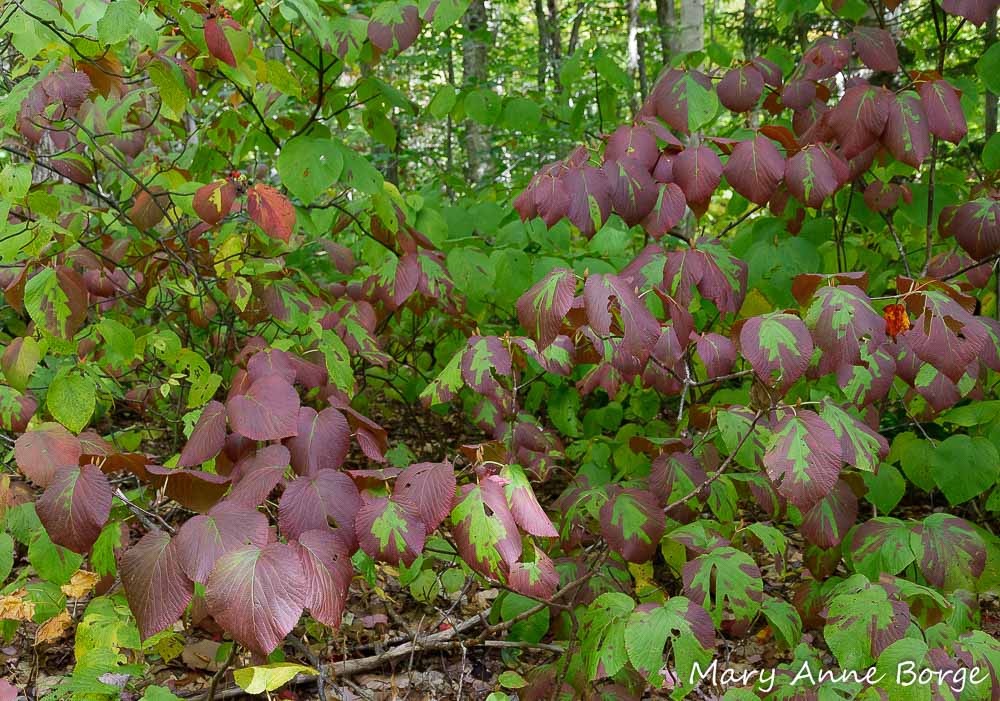
In autumn, Hobblebush leaves turn stunning shades of pink, red and maroon.

Hobblebush Viburnum (Viburnum lantanoides) in fall.

Stunning fall foliage of Hobblebush Viburnum (Viburnum lantanoides)

At the same time the leaves are changing color, the fruit that results from pollinated flowers ripens from green to red, then deepens to a dark blue-black.

Hobblebush Viburnum (Viburnum lantanoides) with ripening fruit

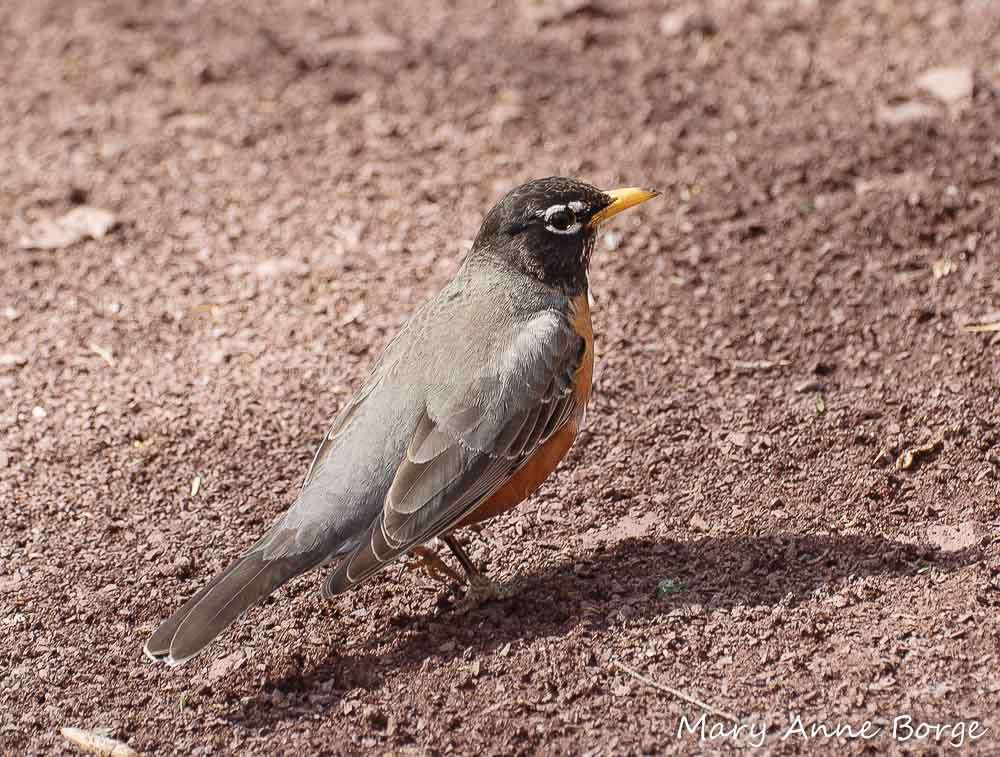
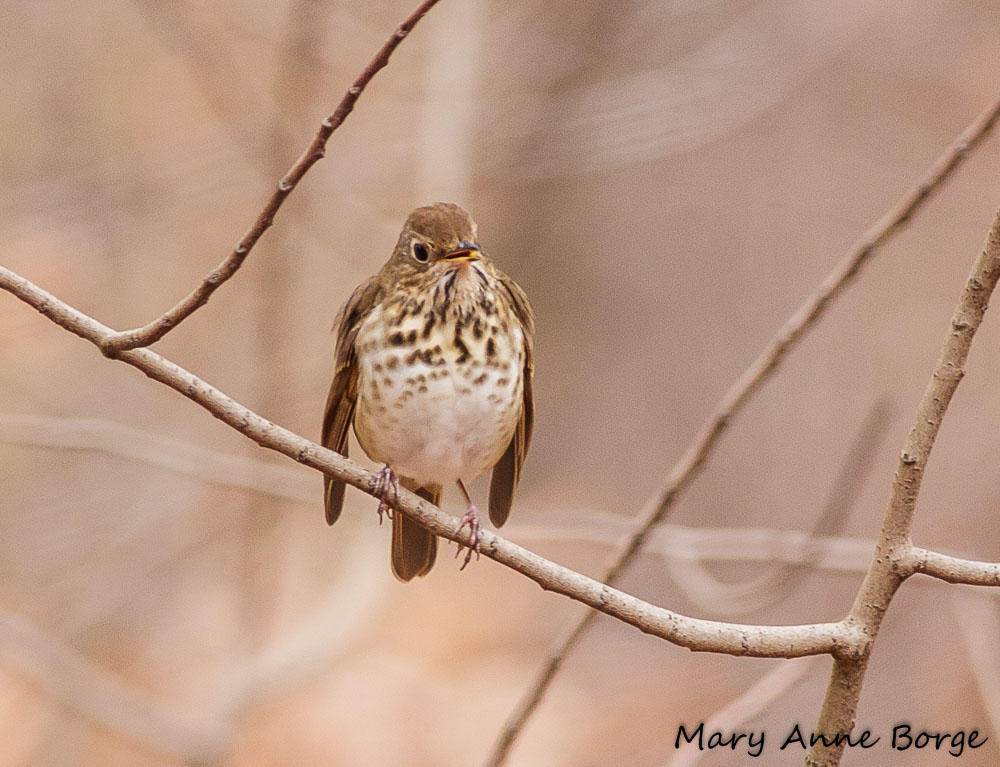
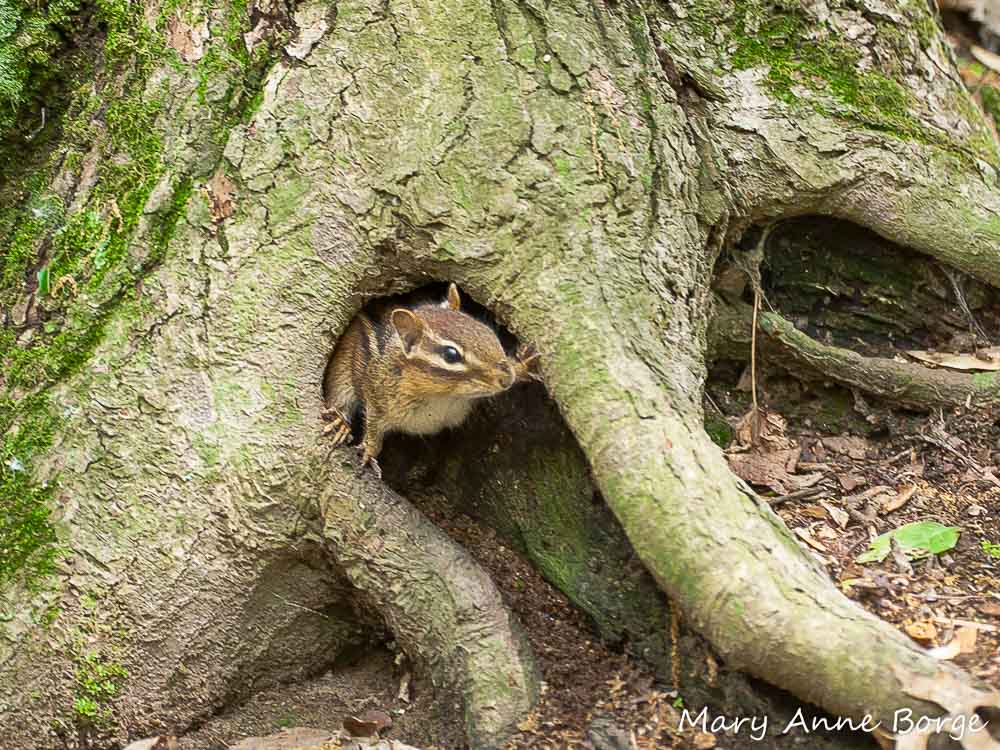
The fruit is a drupe, a fleshy fruit with its seed encased inside in a hard coating.  A peach is an example of a drupe.  Hobblebush fruit is edible for humans, although you may want to avoid those seeds.  Many birds and mammals also eat the fruit, and subsequently ‘disperse’ the seeds, complete with fertilizer.  A few of the animals that eat Hobblebush fruit are pictured below.

American Robin

Northern Cardinal

Hermit Thrush

Eastern Chipmunk

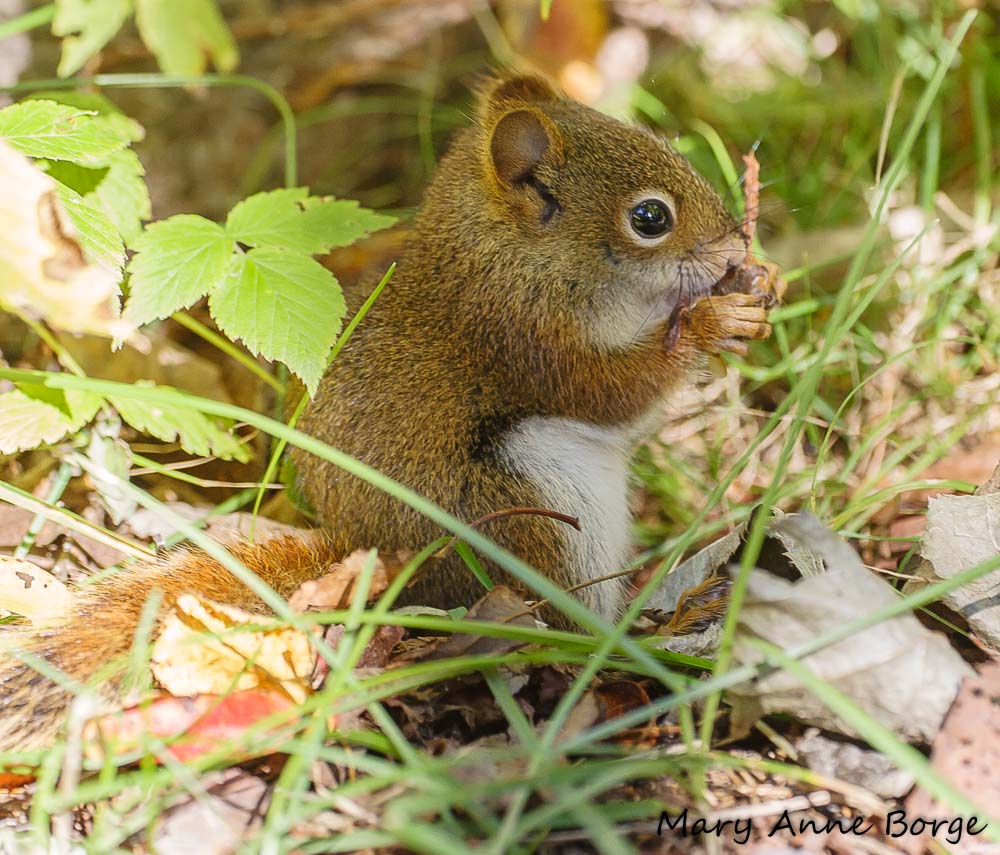
Red Squirrel

In addition to reproducing through its flowers and fruit, Hobblebush can reproduce vegetatively.  Where its branches come in contact with the ground, roots can form and a new shoot can sprout.

Hobblebush Viburnum (Viburnum lantanoides)

Hobblebush Viburnum is a deciduous shrub that can be found in moist woods in Ontario, Quebec, Newfoundland and New Brunswick in Canada, and in the northeastern United States from Maine to northeastern Ohio, south to northern New Jersey and Pennsylvania, and in the Appalachian Mountain region as far south as northeastern Georgia.

Hobblebush is fervent in its belief that spring will eventually arrive.  We should be, too!

Hobblebush Viburnum (Viburnum lantanoides) praying for spring

Related Posts

Asters Yield a Treasure Trove

Nutritious Fall Foliage: What makes leaves so colorful?

Resources

Eaton, Eric R.; Kauffman, Ken.  Kaufman Field Guide to Insects of North America.  2007.

Martin, Alexander C.;  Zim, Herbert S.; Nelson, Arnold L.  American Wildlife & Plants A Guide to Wildlife Food Habits.  1951.

Peterson, Lee Allen.  A Field Guide to Edible Wild Plants of Eastern and Central North America. 1977.

Rhoads, Ann Fowler; Block, Timothy A.  The Plants of Pennsylvania.  2007

Spira, Timothy A.  Wildflowers & Plant Communities of the Southern Appalachian Mountains & Piedmont.  2011.

Tallamy, Douglas W.  Bringing Nature Home.  2007

Thompson, Elizabeth H.; Sorenson, Eric R.  Wetland, Woodland, Wildland A Guide to the Natural Communities of Vermont.  2005.

Wagner, David L.;  Caterpillars of Eastern North America, 2005.

Adirondacks Forever Wild:  Shrubs of the Adirondacks

Annals of Botany.  Sterile marginal flowers increase visitation and fruit set in the hobblebush (Viburnum lantanoides, Adoxaceae) at multiple spatial scales.

Biology Discussion

USDA NRCS Plants Database


Slippery Elm in Bloom

Color is slowly easing back into the deciduous woods.  Branches that were bare all winter are beginning to show the subtle reds, greens and yellows of early blooming trees and shrubs.

Slippery Elm (Ulmus rubra) in Bloom

Slippery Elm (Ulmus rubra) in Bloom

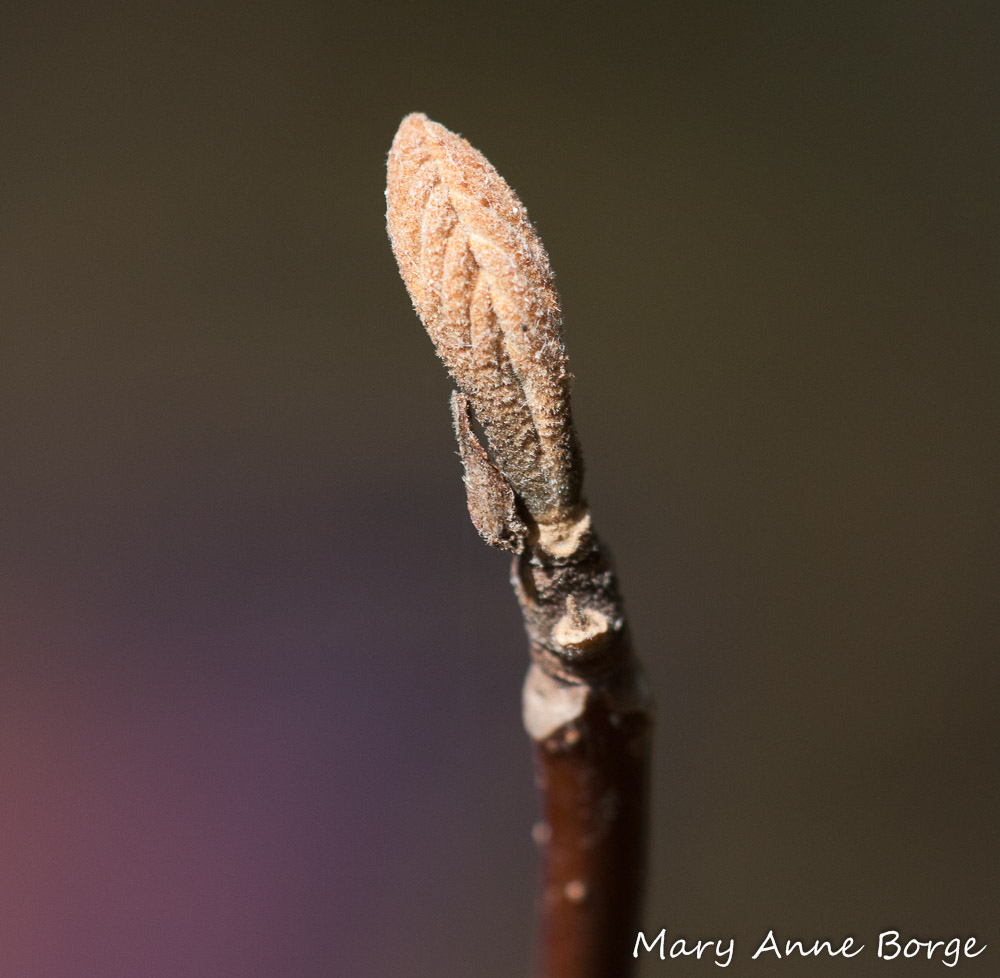
Slippery Elm (Ulmus rubra) is among the early flowering trees, often blooming sometime in March.  Before blooming, its rusty colored, fuzzy-hairy flower buds are visible throughout winter.

Slippery Elm (Ulmus rubra) Buds

Slippery Elm (Ulmus rubra) Buds

Slippery Elm blooms before its leaves appear, making it easier for the wind to carry Slippery Elm’s pollen to another flower, helping this species to achieve successful pollination. Wind pollination is a good evolutionary adaptation for an early blooming tree, since wind is a more reliable pollination partner in the usually cool blustery days of March than insects are.  (Although this spring is exceptionally warm in the Northeastern United States!)

Slippery Elm (Ulmus rubra) in Bloom

Slippery Elm (Ulmus rubra) in Bloom

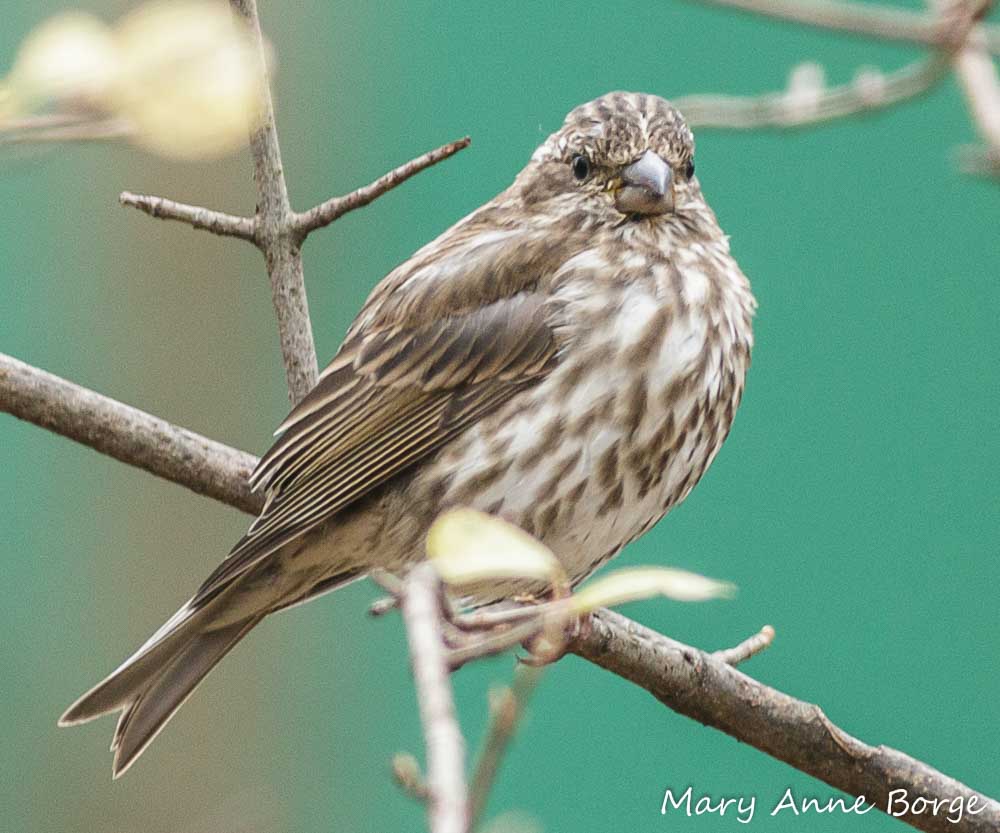
Flowers that are successfully pollinated produce fruits that many birds eat, including Carolina Chickadees, Rose-breasted Grosbeaks, and Purple Finches.

Female Purple Finch. Purple Finches are among the birds that eat elm seeds

Female Purple Finch. Purple Finches are among the birds that eat elm seeds

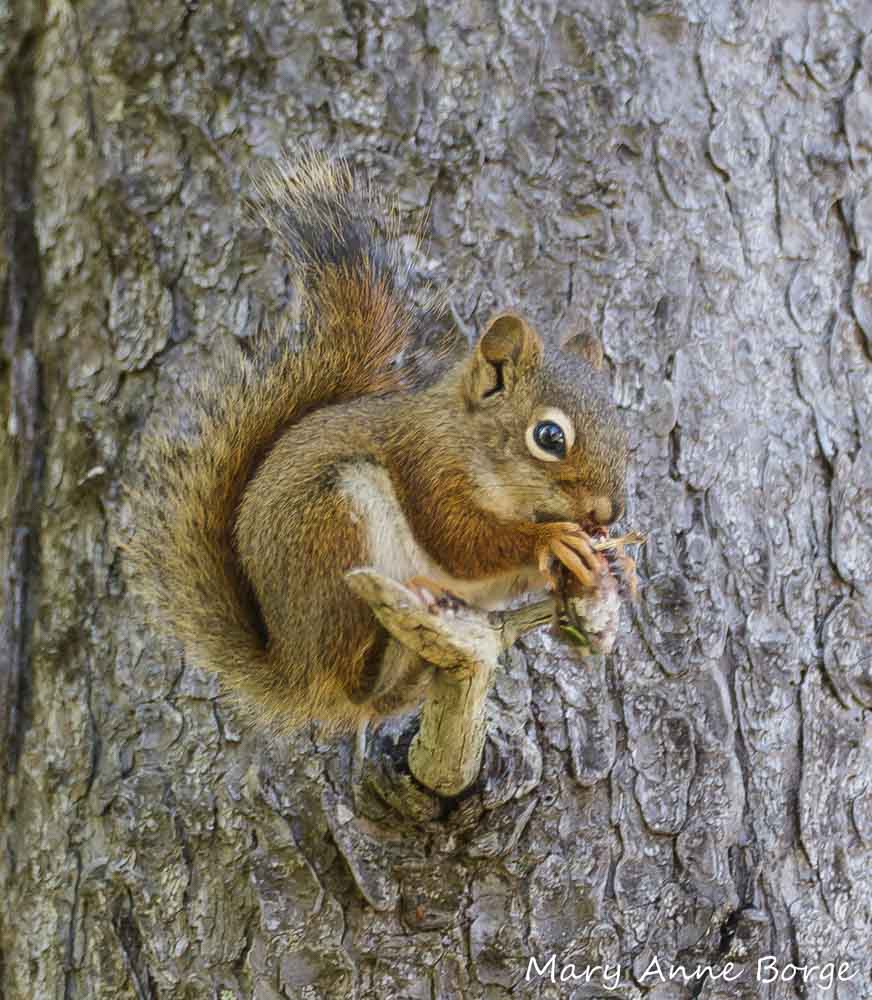
Squirrels and other small mammals also eat Slippery Elm seeds.

Red Squirrel - a consumer of elm seeds

Red Squirrel – a consumer of elm seeds

Slippery Elm leaves are large and rough, with distinctly toothed edges.

Slippery Elm Leaf

Slippery Elm Leaf

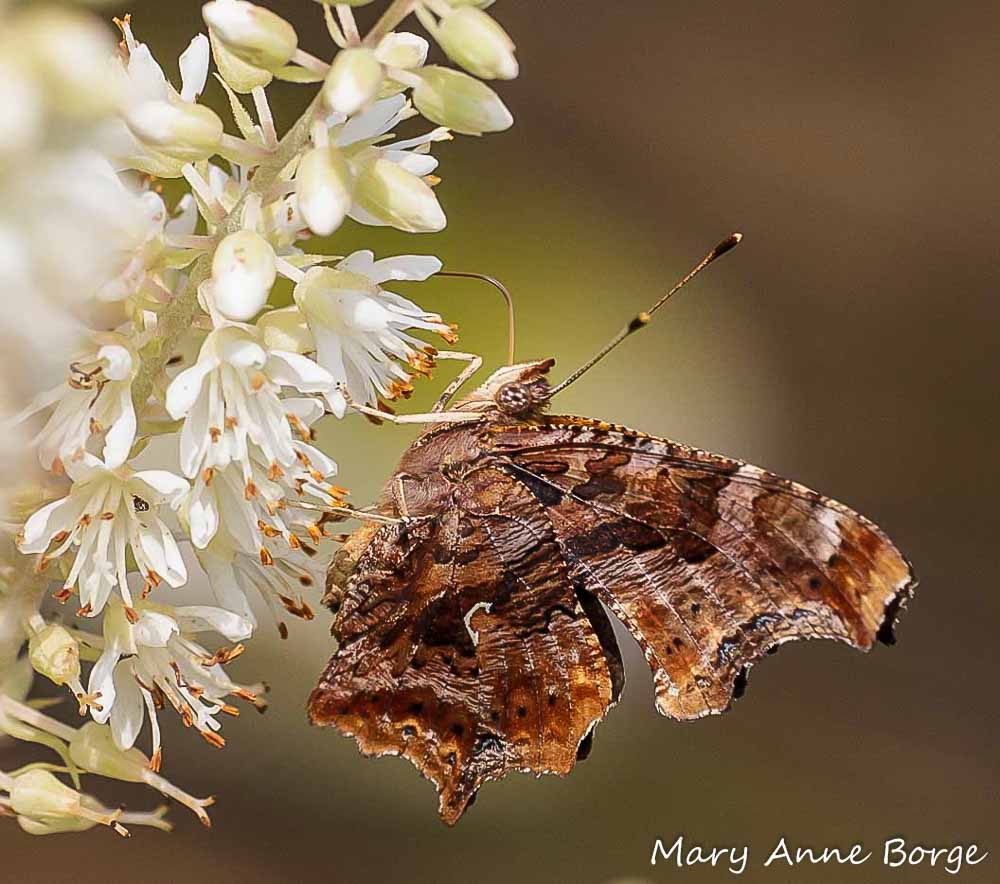
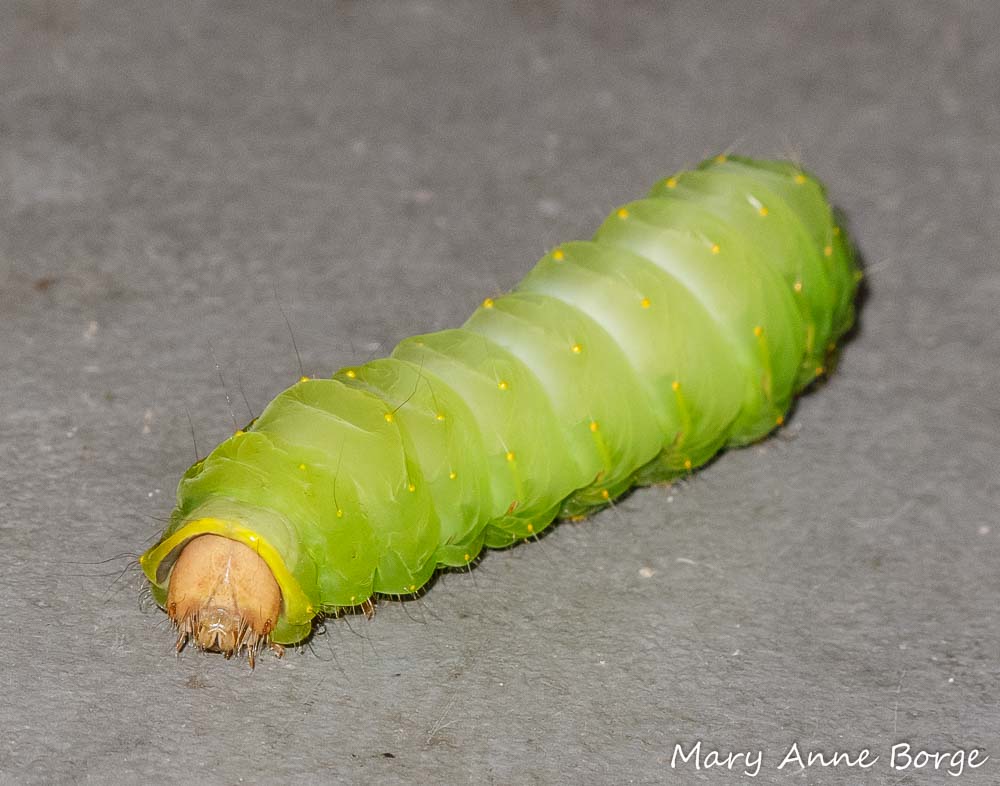
These leaves provide food for many insects that in turn provide pollination services for other plants, or food for other animals. Over 200 species of butterfly and moth caterpillars (Leipidoptera), including those of Mourning Cloak, Question Mark and Eastern Comma butterflies and Polyphemus moths may eat the leaves of Slippery Elm and its close relatives.

Eastern Comma Butterfly

Eastern Comma Butterfly

Polyphemus Moth caterpillar, looking for a place to pupate. What a plump, juicy treat for a hungry bird!

Polyphemus Moth caterpillar, looking for a place to pupate. What a plump, juicy treat for a hungry bird!

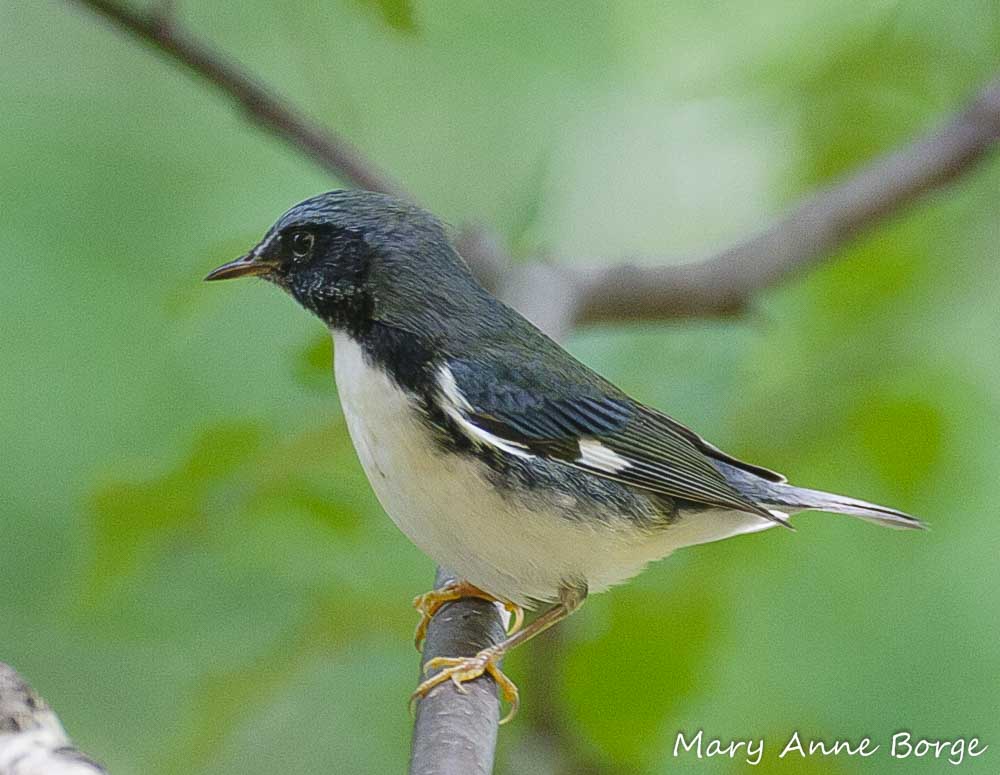
Birds depend on these insects as protein for themselves and their growing offspring.

Male Black-throated Blue Warbler. Warblers, Chickadees, Titmice and most other birds depend on insects for a large percentage of their diet.

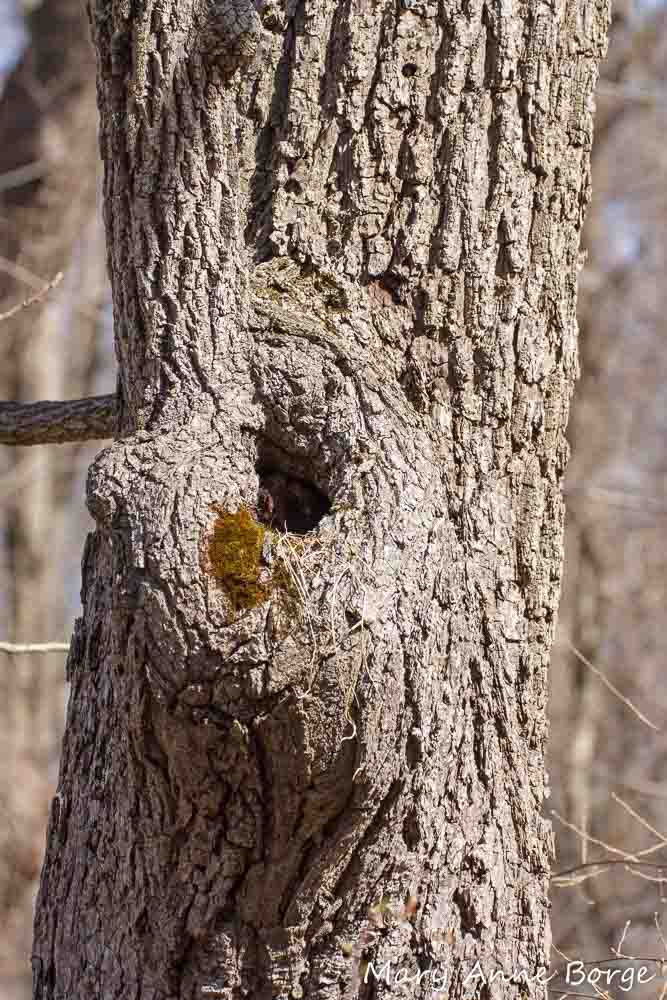
Cavity nesting birds or small mammals may find a suitable home site in Slippery Elm, while other birds, like Baltimore Orioles, may build their nests in its branches.

Natural cavity in a Slippery Elm. Some strings of nest material are draped below the opening.

Natural cavity in a Slippery Elm. Some strings of nest material are draped below the opening.

Slippery Elm gets its name from its inner bark (the phloem) which is part of the vascular system that transports food throughout the tree. Slippery Elm’s inner bark is mucilaginous (thick, sticky) and fibrous.  Indigenous North American peoples used the inner bark fibers to make rope or other cordage.

Slippery Elm’s inner bark has also been used to make a tea that is easy to digest and high in nutrients; it was given to people who had difficulty consuming food. The inner bark was also dried and ground to make a flour high in nutritional value.

Slippery Elm has many medicinal uses. As a demulcent it is well suited for treatment of inflamed mucous membranes throughout the digestive tract.  It also has anti-inflammatory and astringent properties, and has been used externally to treat skin problems including wounds, ulcers and boils.  Slippery Elm is available as an over the counter supplement, and has been approved by the Food and Drug Administration for use in throat lozenges.  Even plant-derived supplements can have unwanted side effects, so careful research or consultation with a physician should take place before consuming Slippery Elm.

Slippery Elm can be found in much of the eastern two-thirds of the United States and Canada, often in moist woods, stream banks, and woodland edges. Look for it blooming now in a natural area near you.

Slippery Elm (Ulmus rubra) in Bloom

Slippery Elm (Ulmus rubra) in Bloom


Resources

Beresford-Kroeger, Diana. Arboretum America: A Philosophy of the Forest.  2003

Eastman, John. The Book of Forest and Thicket.  1992.

Foster, Steven; Duke, James A. A Field Guide to Medicinal Plants and Herbs of Eastern and Central North America.  2000.

Hoffmann, David. Medical Herbalism.  2003.

Rhoads, Ann Fowler; Block, Timothy A. The Plants of Pennsylvania.  2007

Tallamy, Douglas W. Bringing Nature Home, 2007,

Illinois Wildflowers

USDA Database


Blackhaw Viburnum – A Subtle Beauty

Blackhaw Viburnum (Viburnum prunifolium)

Blackhaw Viburnum (Viburnum prunifolium)

Blackhaw Viburnum (Viburnum prunifolium) begins to bloom about a week after Flowering Dogwood (Cornus florida), its profuse rounded clusters of creamy white flowers visited by a variety of bees, flies and butterflies for their nectar and pollen.  Although less well known than some of its woodland neighbors, such as Dogwood and Redbud, Blackhaw Viburnum’s subtle beauty is a common and essential element of the forest’s palette in spring.

Blackhaw Viburnum (Viburnum prunifolium)

Blackhaw Viburnum (Viburnum prunifolium)

Spring Azure butterfly caterpillars may eat the flowers or buds of many woody plant species, including the viburnums.

Spring Azure

Spring Azure

Hummingbird Clearwing moth caterpillars may feed on their leaves.

Hummingbird Clearwing nectaring on Wild Bergamot (Monarda fistulosa)

Hummingbird Clearwing nectaring on Wild Bergamot (Monarda fistulosa)

In their later development stages, even Baltimore Checkerspot caterpillars may migrate from the leaves of their preferred food plant, Turtlehead (Chelone glabra) to eat viburnum leaves.

Baltimore Checkerspot

Baltimore Checkerspot

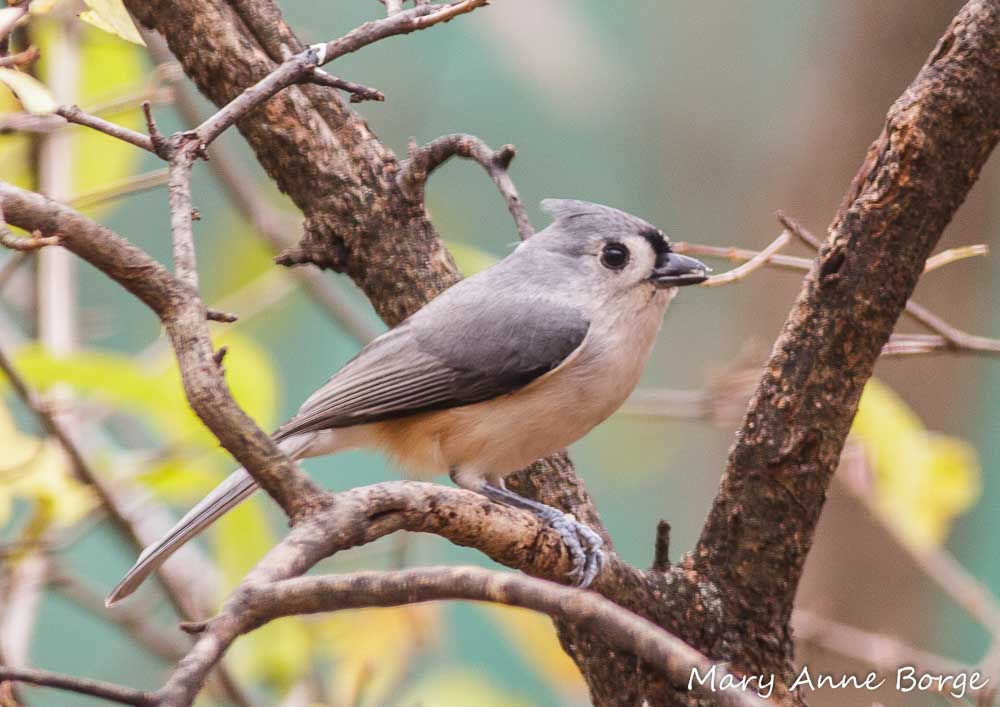
The caterpillars may be lucky enough to attain adulthood, or they may become food for another animal somewhere along the way.  Caterpillars are an important source of food for many animals, but especially for birds.  It can take thousands of caterpillars to feed a hungry brood of young Chickadees or Titmice.

Tufted Titmouse

Tufted Titmouse

If Blackhaw Viburnum’s spring visitors successfully pollinate its flowers, dark blue fruits (called drupes) are produced, maturing in fall.

Blackhaw Viburnum (Viburnum prunifolium) fruit

Blackhaw Viburnum (Viburnum prunifolium) fruit

Chipmunks, squirrels and many bird species, including Hermit Thrush, Cardinals, Bluebirds and White-throated Sparrows, are among those that eat the fruit.

Northern Cardinal

Northern Cardinal

Blackhaw Virburnum can be single or multi-stemmed, and grows to a maximum height of about 15-25 feet (4.6-7.6 meters).  It tends to grow taller when single-stemmed.  Its natural habitat is generally medium to dry upland areas, even growing in rocky soil, like the Sourland Mountains of New Jersey where I live.  Its range is from New York to Michigan and Wisconsin in the north, to the south from Texas to Georgia.

Blackhaw Virburnum makes a great landscape plant.  Look for it blooming in a forest near you, or better yet, add it to your garden and enjoy it and its visitors throughout the seasons.

Blackhaw Viburnum (Viburnum prunifolium)

Blackhaw Viburnum (Viburnum prunifolium)


Resources

Cech, Rick; Tudor, Guy.  Butterflies of the East Coast.  2005.

Wagner, David L.;  Caterpillars of Eastern North America, 2005.

http://www.illinoiswildflowers.info/trees/plants/blackhaw.htm