New England Asters – A Hotbed of Activity!

As the temperatures cool and the changing color of the leaves intensifies, plants in the Aster (Asteraceae) family continue to offer a bright display and food for flower visitors.

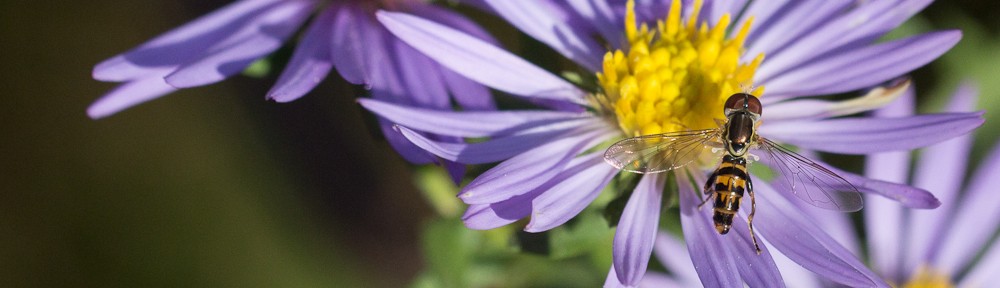
New England Asters (Symphyotrichum novae-angliae) with a flower fly (Eristalis transversa) and sweat bee (Agapostemom species)

New England Asters (Symphyotrichum novae-angliae) with a flower fly (Eristalis transversa) and sweat bee (Agapostemom species)

The Aster family is also called the composite family, because of the arrangement of their flowers. What looks to us like a single flower is actually a cluster of many flowers, often of two different types: ray flowers, which look like petals, and small tubular disk flowers in the center of the display.

Tricolored Bumble Bee (Bombus ternarius) feeding on New England Asters (Symphyotrichum novae-angliae)

Tricolored Bumble Bee (Bombus ternarius) feeding on New England Asters (Symphyotrichum novae-angliae)

Some aster family members, like dandelions (Taraxacum species), only have ray flowers.
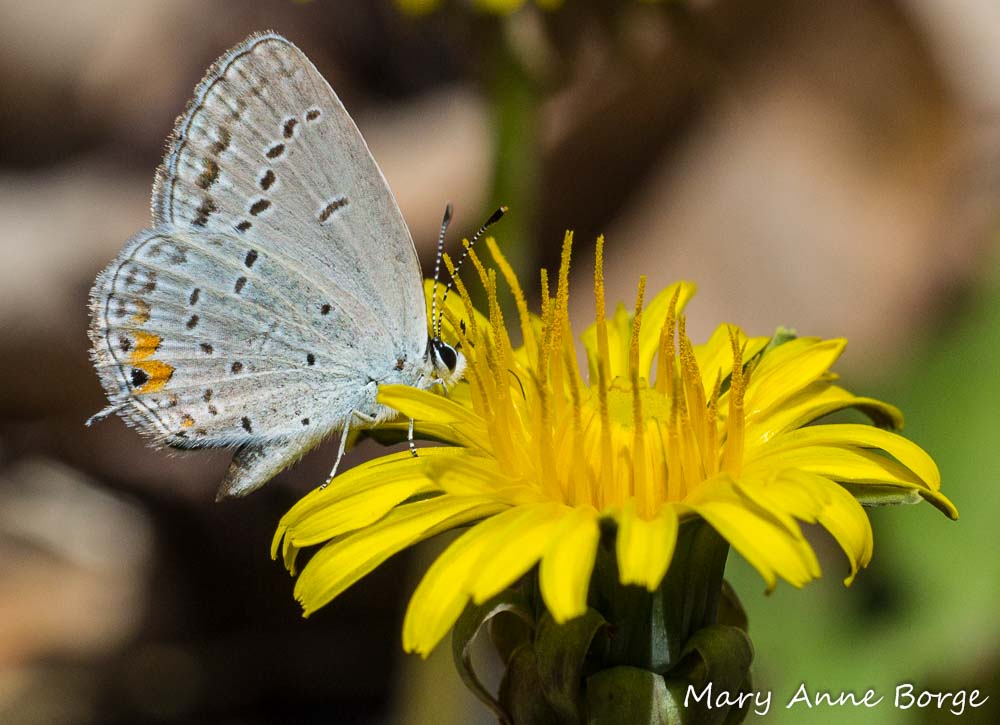
Eastern-Tailed Blue butterfly drinking nectar from dandelion

Eastern-Tailed Blue butterfly drinking nectar from dandelion

Others have only disk flowers, like Mistflower (Conoclinium coelestinum).
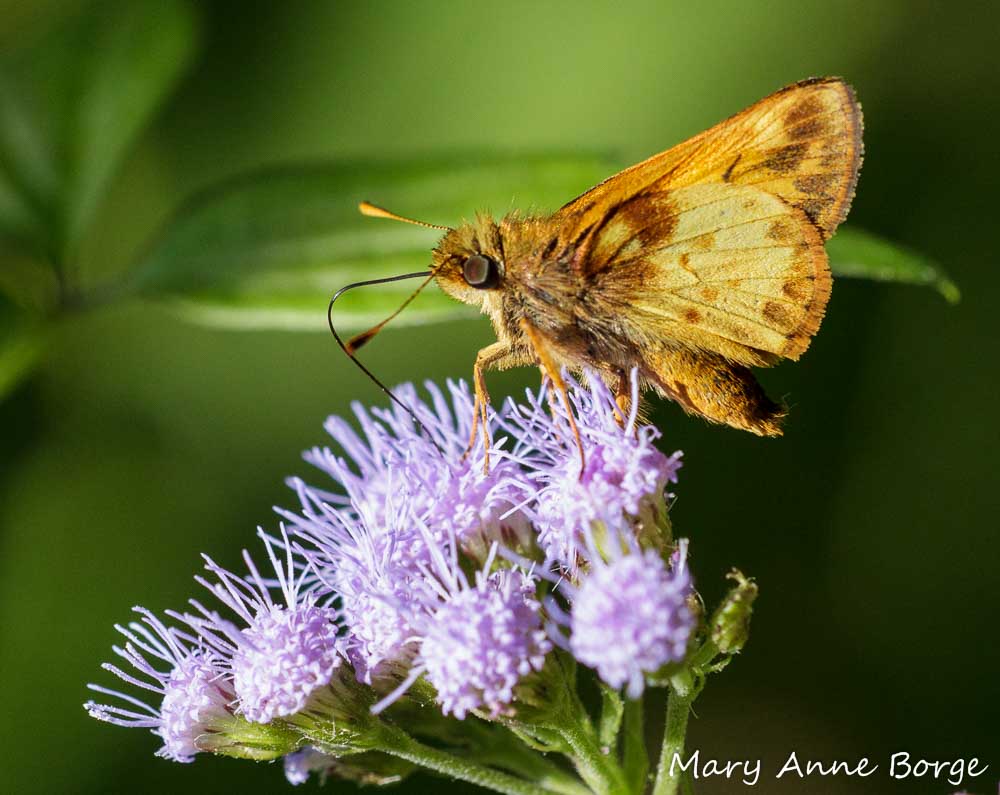
Zabulon Skipper nectaring from Mistflower (Conoclinium coelestinum)

Zabulon Skipper nectaring from Mistflower (Conoclinium coelestinum)

In the case of New England Asters (Symphyotrichum novae-angliae), the ray flowers’ function is primarily to add to the attraction of the floral display to entice potential pollinators to visit the flowers.  It’s the tiny disk flowers at the center of each flower cluster that offer the reward of nectar and pollen.
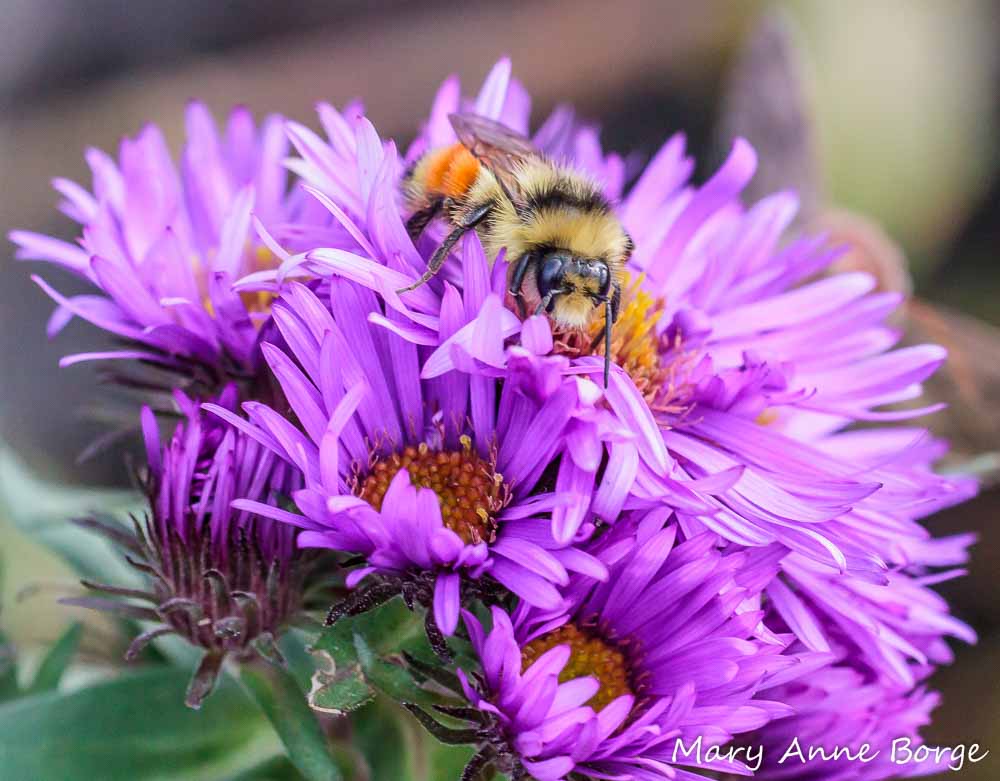
Tricolored Bumble Bee (Bombus ternarius) feeding on New England Asters (Symphyotrichum novae-angliae)

Tricolored Bumble Bee (Bombus ternarius) feeding on New England Asters (Symphyotrichum novae-angliae)

Even on cool, blustery days, Bumble Bees, like the Tricolored Bumble Bee (Bombus ternarius) in the photo above, forage for food. The hair on their bodies helps to keep them warm, and is a good vehicle to pick up pollen from one flower and transfer it to another.

Sweat Bees are still active in autumn, fueled by the nectar aster family members offer.
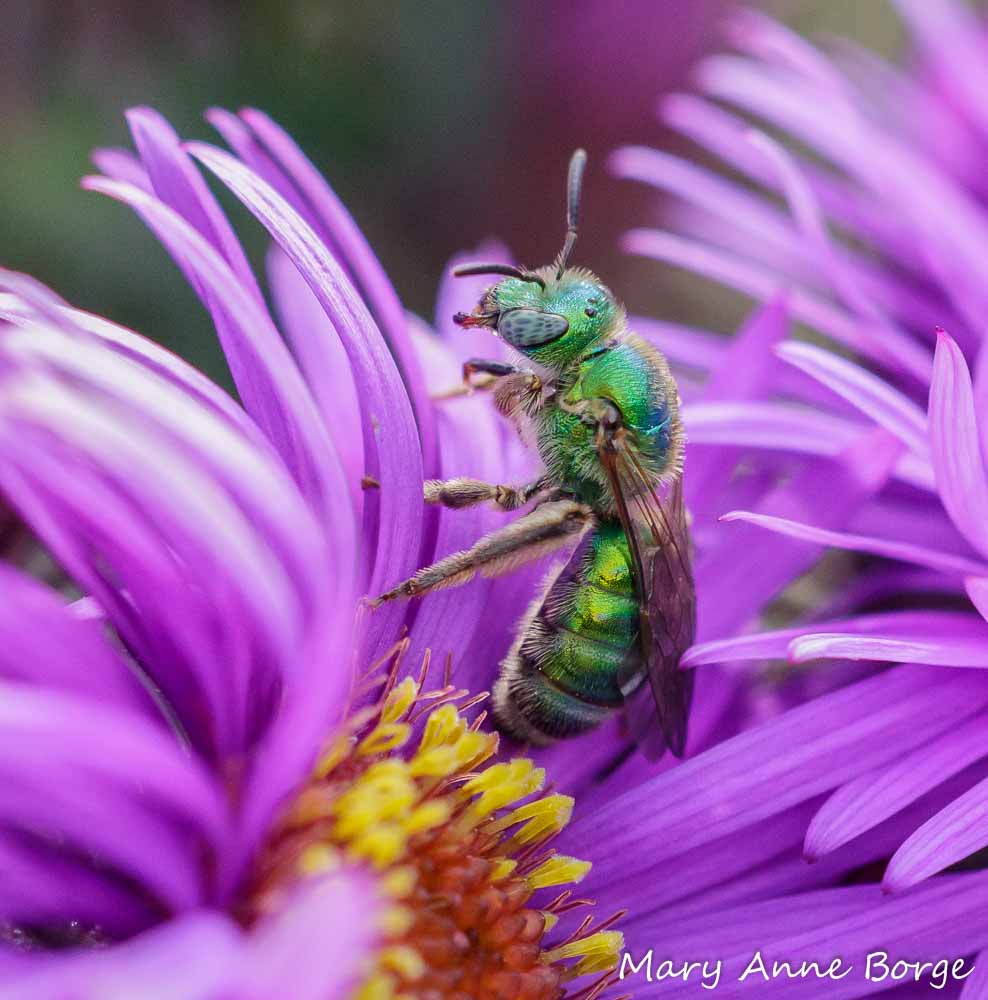
Sweat bee (Halictid family)
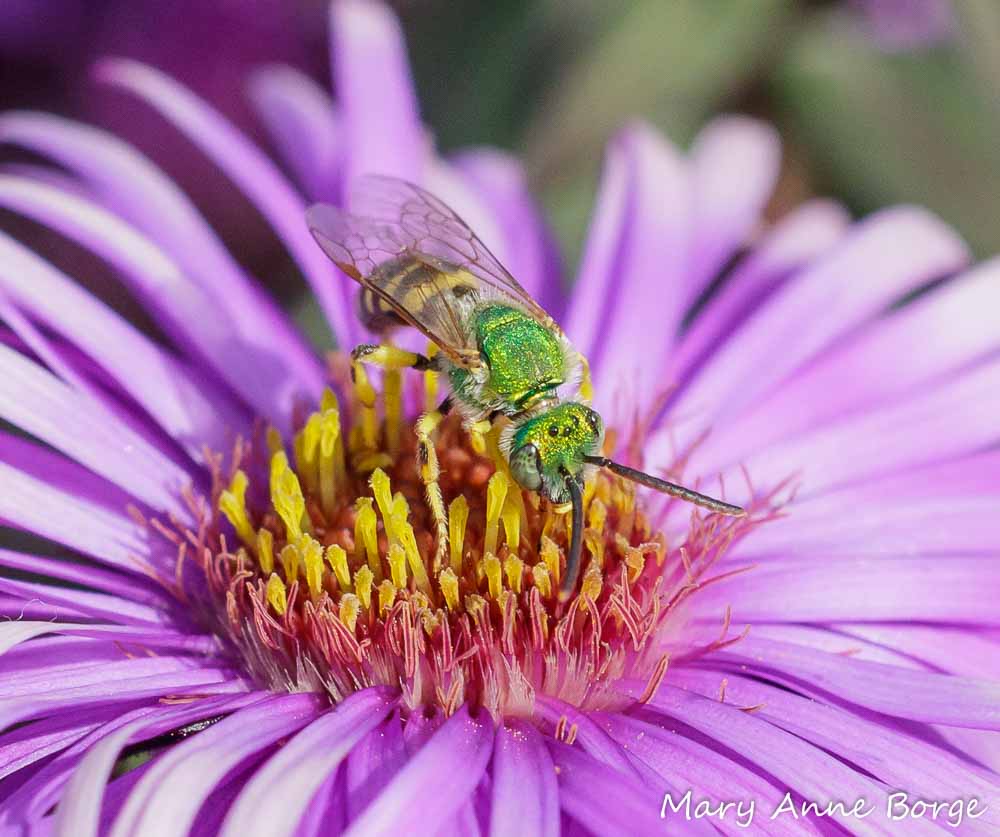
Sweat bee (Halictid family)

Sweat bee (Agapostemom species) feeding from New England Aster (Symphyotrichum novae-angliae)
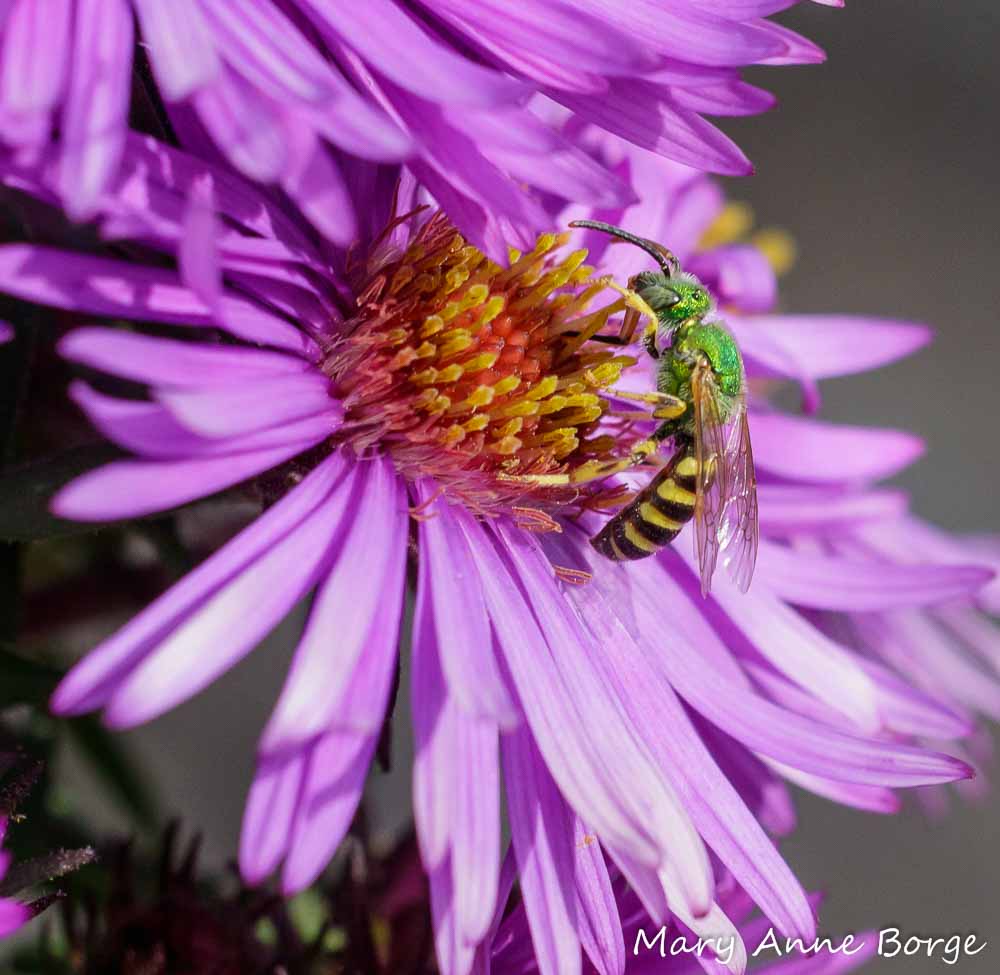
Sweat bee (Agapostemom species) feeding from New England Aster (Symphyotrichum novae-angliae)

Sweat bee (Agapostemom species) feeding from New England Aster (Symphyotrichum novae-angliae)

Sweat bee (Agapostemom species) feeding from New England Aster (Symphyotrichum novae-angliae)

Bees are not the only flower visitors at this time of year. Flies are second only to bees in their importance as pollinators.  Some species can be seen throughout fall.
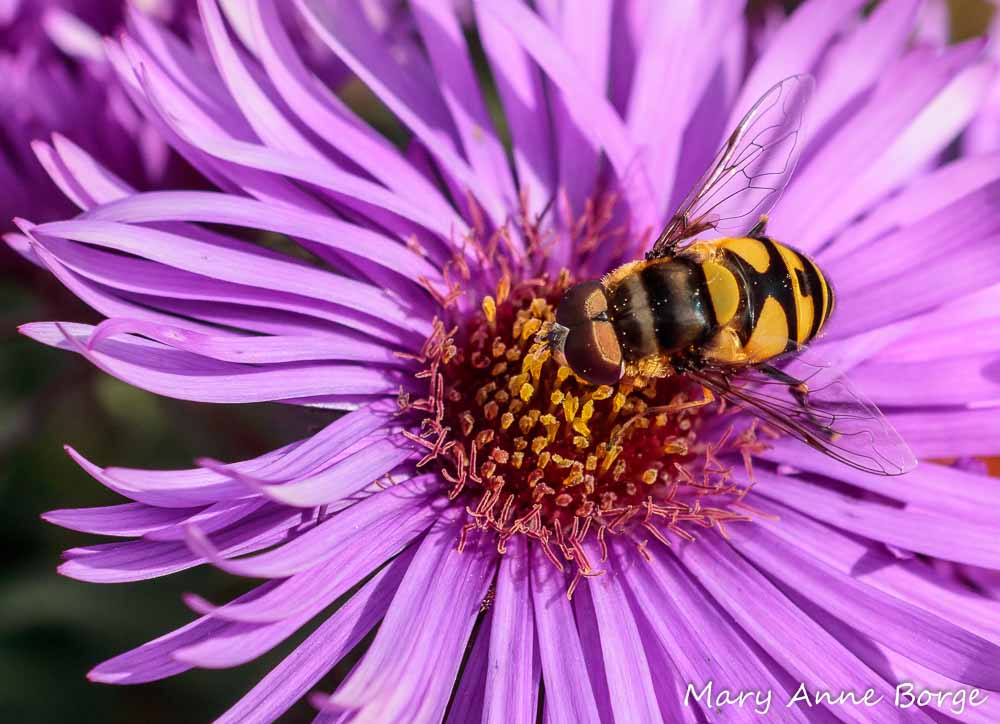
Flower fly (Eristalis transversa) feeding from New England Aster (Symphyotrichum novae-angliae)

Flower fly (Eristalis transversa) feeding from New England Aster (Symphyotrichum novae-angliae)

Many fly species have evolved to look like bees or wasps in an effort to frighten off potential predators, but if you look carefully you can see the short antennae and very large eyes that almost meet in the center of their faces that are typical of flies.
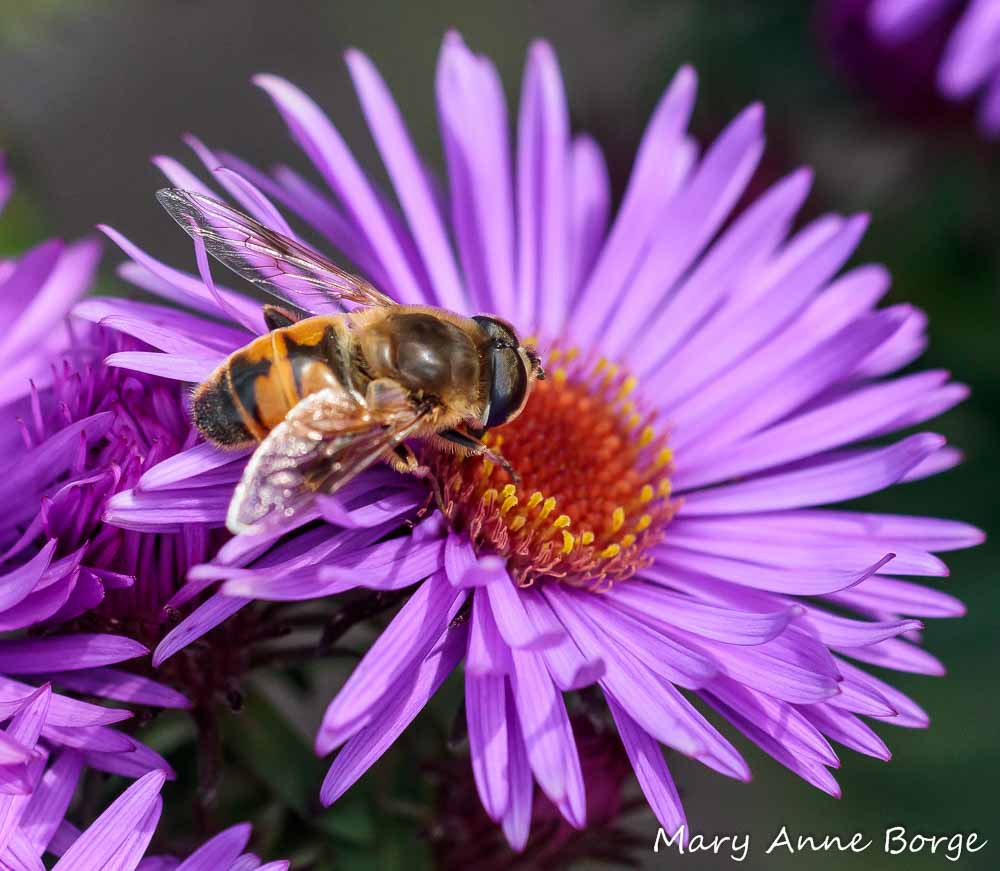
Flower fly (Eristalis arbustorum) feeding from New England Aster (Symphyotrichum novae-angliae)

Flower fly (Eristalis arbustorum) feeding from New England Aster (Symphyotrichum novae-angliae)

The fly below is masquerading as a small wasp, hoping to elude predators.  It’s larvae consume aphids, another benefit from this diminutive creature!

Flower fly (Sphaerophoria contigua) on New England Aster (Symphyotrichum novae-angliae)
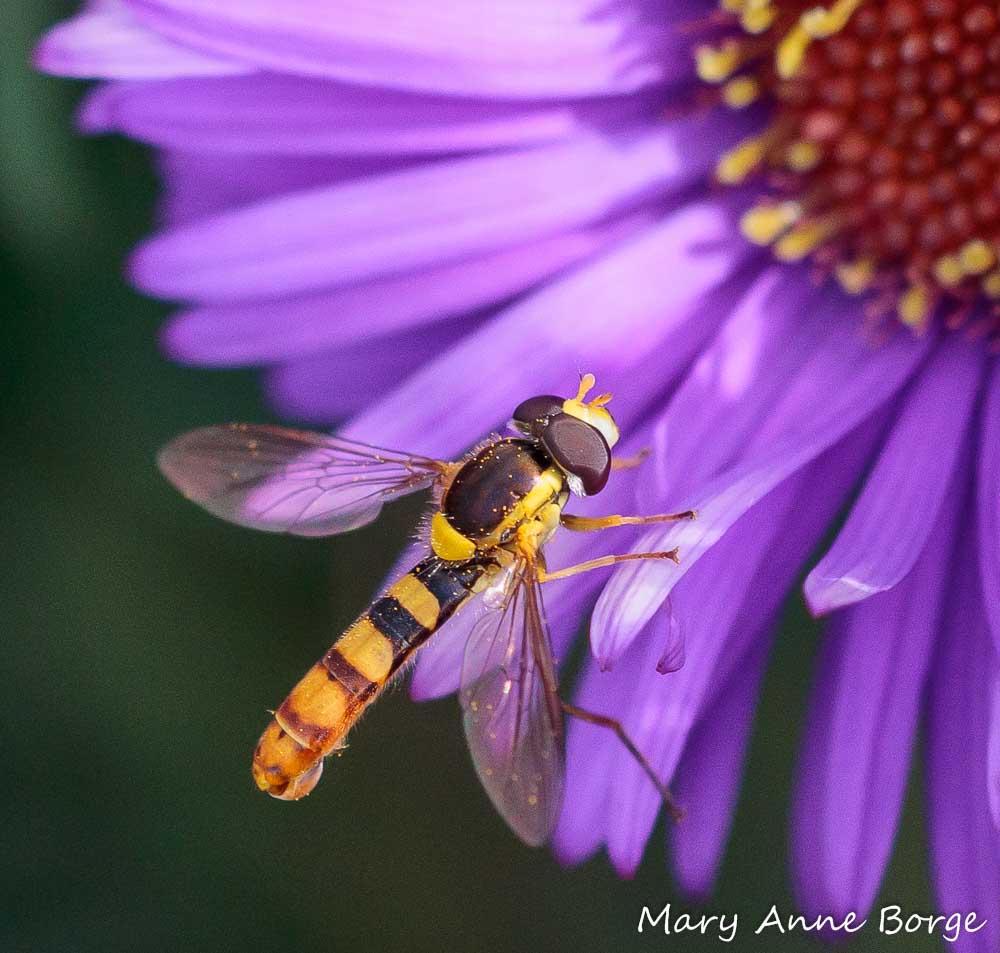
Flower fly (Sphaerophoria contigua) on New England Aster (Symphyotrichum novae-angliae)

Flower fly (Sphaerophoria contigua) on New England Aster (Symphyotrichum novae-angliae)

Flower fly (Sphaerophoria contigua) on New England Aster (Symphyotrichum novae-angliae)

Moths and butterflies also use New England Aster flowers as a convenient energy drink.
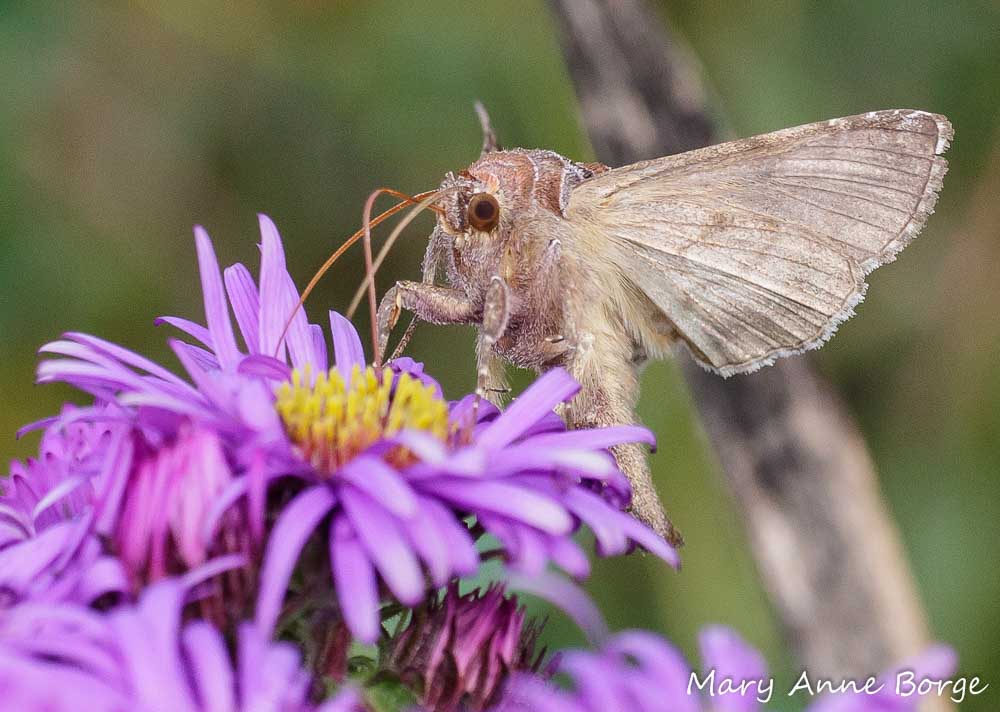
Common Looper Moth (Autographa precationis) feeding on New England Aster (Symphyotrichum novae-angliae)

Common Looper Moth (Autographa precationis) feeding on New England Aster (Symphyotrichum novae-angliae)

Despite their name, New England Asters are native throughout much of the United States and several Canadian provinces. They grow along roadsides and in meadows, and make a great addition to a sunny garden with average to moist soil, even tolerating clay soil.

Take a look at the New England Asters in the photo below. How many visitors can you find on these flowers?

New England Asters (Symphyotrichum novae-angliae) with flower visitors. How many can you find?

New England Asters (Symphyotrichum novae-angliae) with flower visitors. How many can you find?


Related posts

Asters Yield a Treasure Trove

Resources

Eaton, Eric R.; Kauffman, Ken. Kaufman Field Guide to Insects of North America.  2007.
USDA Plant Database

Missouri Botanical Garden

Illinois Wildflowers


Benefits of Pawpaws

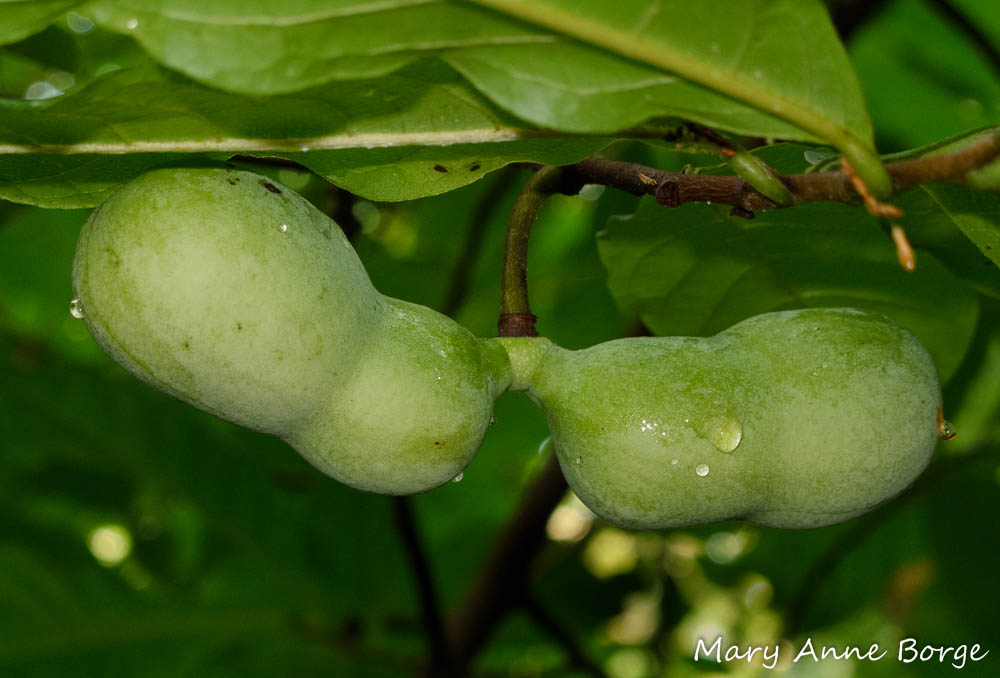
The large, luscious fruit of Pawpaw (Asimina triloba) trees is ripening now. Its flavor is a bit reminiscent of a tropical fruit, hinting at banana or mango. In addition to people, the fruits are eaten by many other mammals, including raccoons, fox, and squirrels. These animals help to distribute Pawpaw’s seeds.

Pawpaw (Asimina triloba) fruit

Pawpaw (Asimina triloba) fruit

Pawpaws contain more nutrients than many more commonly eaten fruits, including apples, grapes and peaches. They contain annonaceous acetogenins, chemical compounds that have anticancer properties. These compounds are able to sap cancer cells of their energy, and are thought to have potential in treating cancers that are resistant to other drugs. The compounds are also effective against malaria, as well as other microbial infections.

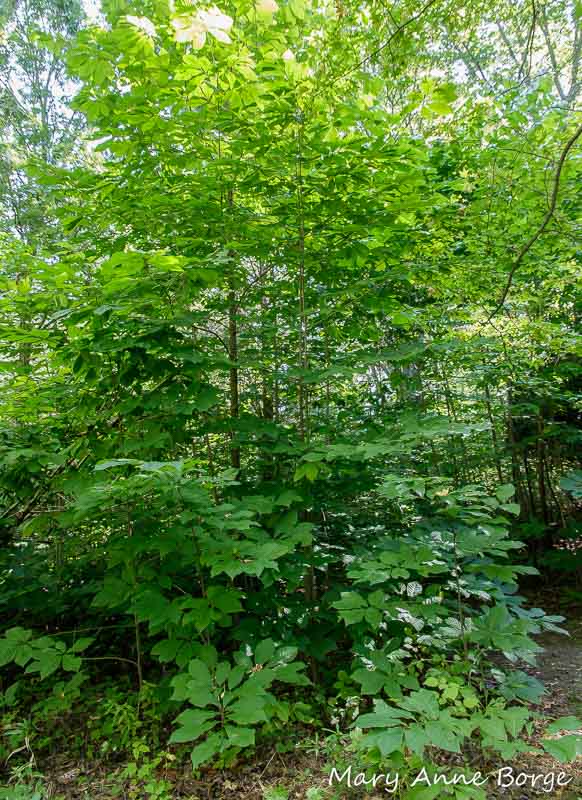
In addition to having fruit with a tropical taste, this woodland understory tree has a tropical look, with long, broad, tapering leaves.

Pawpaw (Asimina triloba) leaves

Pawpaw (Asimina triloba) leaves

Pawpaw reproduces easily through its root system, tending to form colonies. It’s appropriate for this tree and its fruit to hint of the tropics, since it is a member of the Custard Apple (Annonaceae) plant family, the majority of whose members are native to the tropics.

Pawpaw (Asimina triloba)

Pawpaw (Asimina triloba)

The leaves contain compounds that deter herbivores, so deer browsing is not a problem, and few insects eat the leaves. There are always exceptions, though. Zebra Swallowtail butterfly and Pawpaw Sphinx moth caterpillars can tolerate consuming these chemicals. As a result, the chemicals protect the caterpillars, pupae and adults of these species, making them less palatable to predators. As the trees prepare for their winter dormancy over the next few weeks, Pawpaw leaves will turn bright yellow before finally falling from their branches.

Look for the flowers of Pawpaw as the leaves unfold in spring, usually in early May.

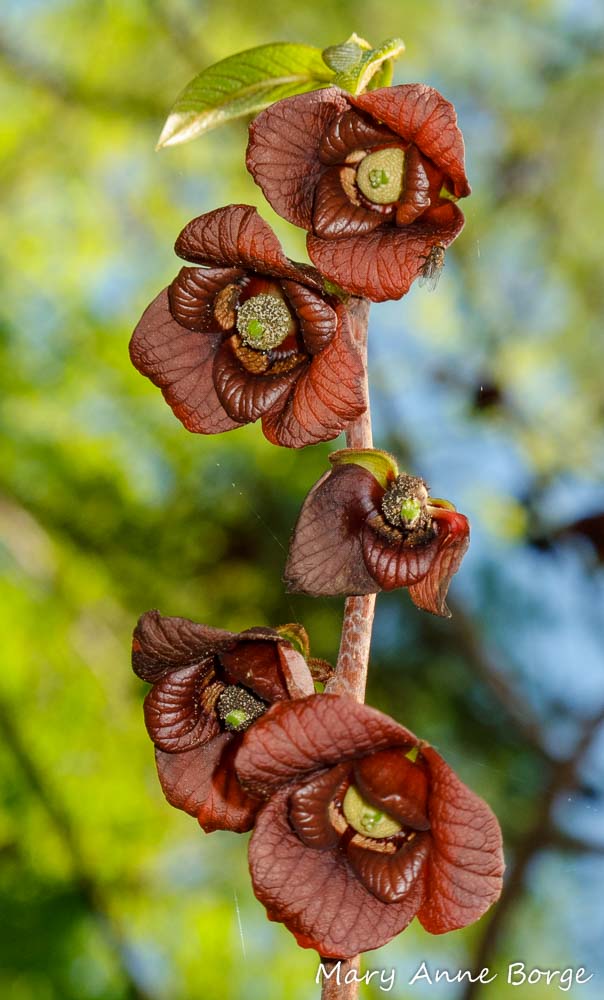
Pawpaw (Asimina triloba) flowers

Pawpaw (Asimina triloba) flowers

Pawpaw’s dark reddish maroon flowers attract insects as pollinators, primarily flies that lay their eggs in carrion (dead rotting flesh!), where their larvae, called maggots, develop. Some Carrion beetles may also be pollinators for this species. Pawpaw has evolved to attract these insects as pollinators through deception. The flower color mimics the carrion these insects visit to lay their eggs.  But these flower visitors will have to keep searching to find the right food for their offspring.

Pawpaw (Asimina triloba) flowers with a fly, a possible pollinator

Pawpaw (Asimina triloba) flowers with a fly, a possible pollinator

Pollination is just one service these insects perform. Their larvae decompose and recycle the flesh of dead animals, a public sanitation function they share with vultures that is very important in helping to minimize the spread of disease.

Pawpaw trees can be found in rich, moist woods in the eastern United States from New York south to northern Florida, west across southern Ontario to Michigan, Illinois, and Iowa, south to Nebraska and eastern Texas. Kentucky State University has a full time research program aimed at developing and refining methods to cultivate Pawpaw as a viable commercial crop.

Pawpaw (Asimina triloba) flower

Pawpaw (Asimina triloba) flower

Resources

Beresford-Kroeger, Diana. Arboretum America: A Philosophy of the Forest. 2003

Illinois Wildflowers

Kentucky State University Pawpaw Program

The Alternative Medicine Pawpaw and Its Acetogenin Constituents Suppress Tumor Angiogenesis via the HIF-1/VEGF Pathway

USDA NRCS Plant Database


Pearl Crescents: A Flirtation Consummated

Animal species instinctively behave in ways that help further the survival of their species. Inevitably, this means spending much of their time eating and reproducing. Recently I had the opportunity to observe such behavior in Pearl Crescent butterflies.

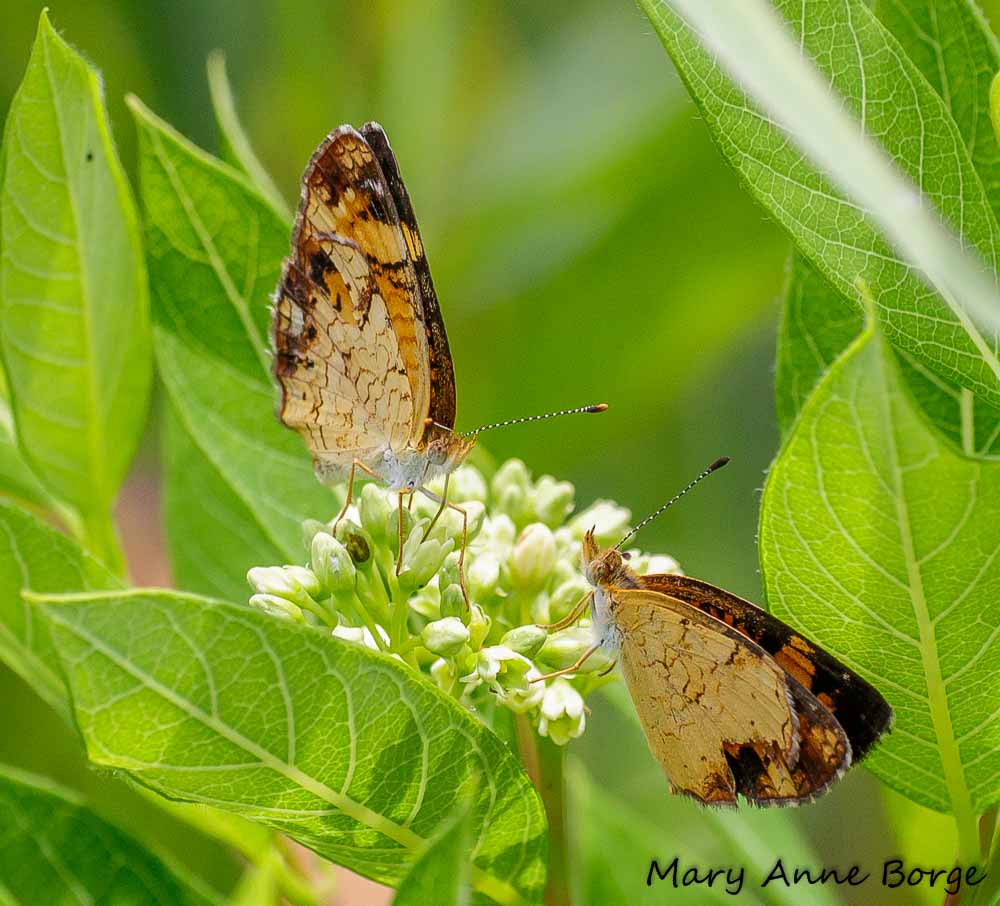
Pearl Crescent sipping nectar from Indian Hemp (Apocynum cannabinum)

Pearl Crescent sipping nectar from Indian Hemp (Apocynum cannabinum)

Pearl Crescents are named for the crescent shaped marking near the center of the submargin of their hind wing. They can often be seen together in groups, nectaring on a variety of flowers, feeding on minerals, and flirting.

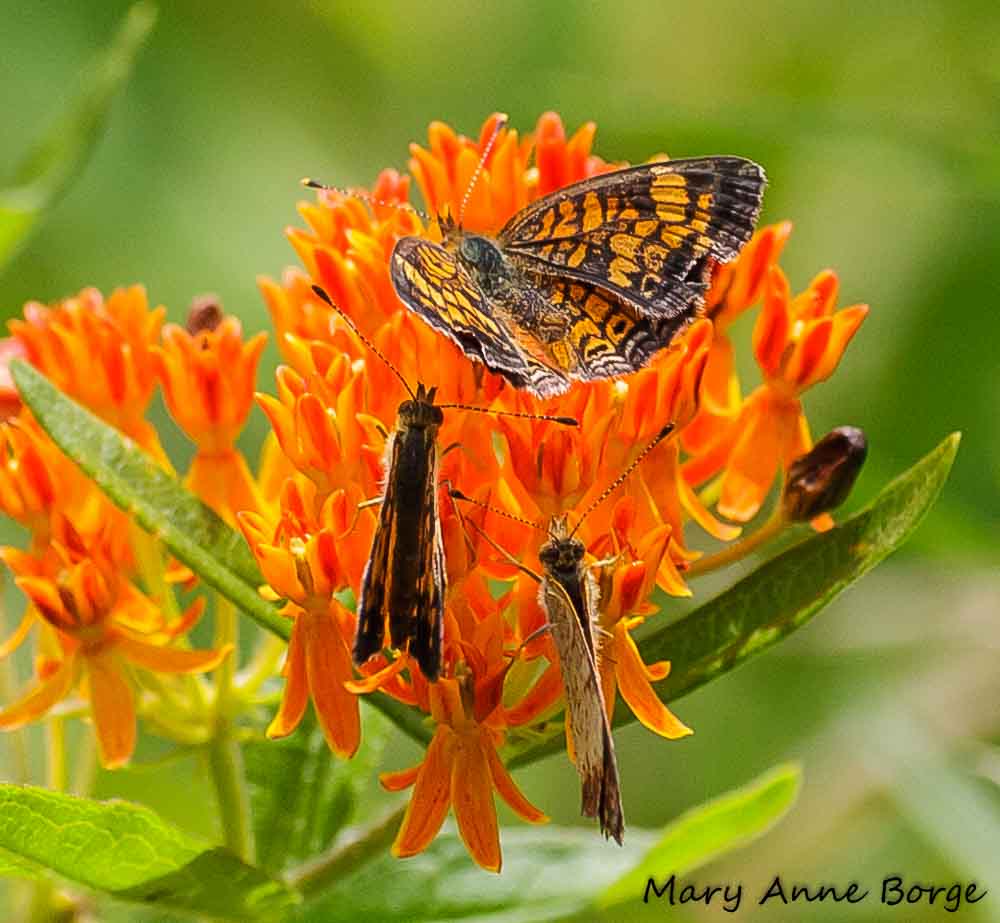
Pearl Crescent female (top) with two males hoping to capture her interest; on Butterflyweed (Asclepias tuberosa)

Pearl Crescent female (top) with two males hoping to capture her interest; on Butterflyweed (Asclepias tuberosa).

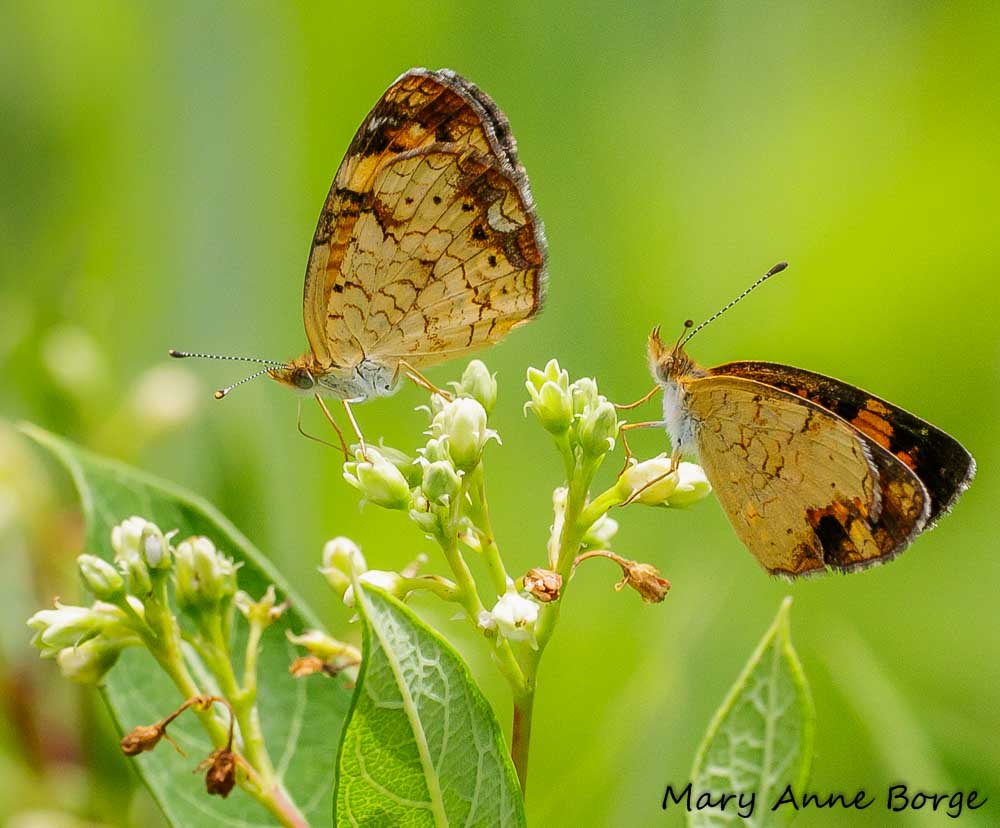
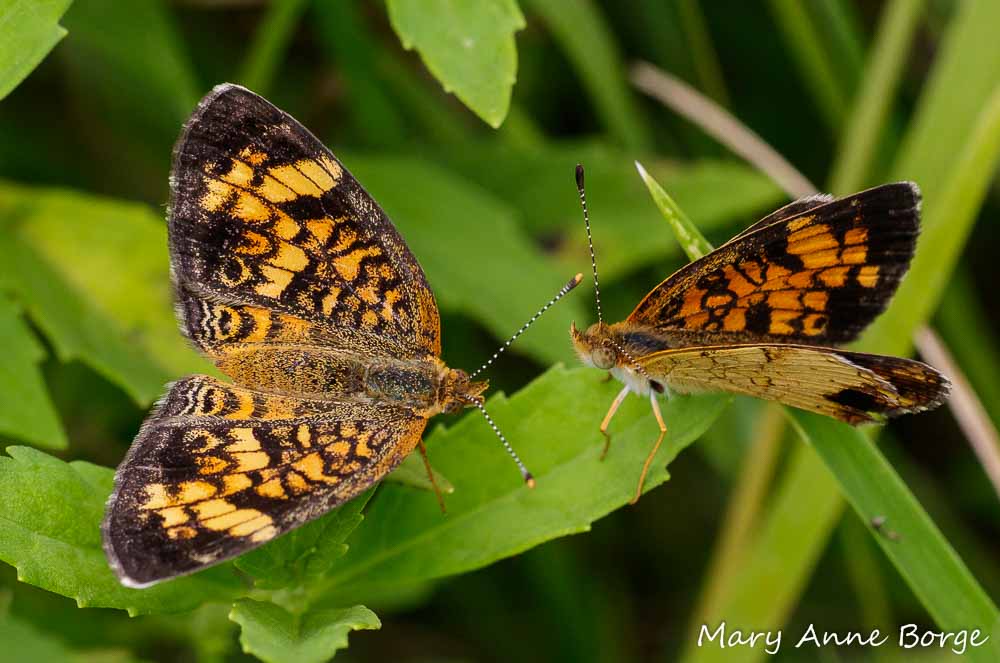
In the photo below, a male Pearl Crescent is doing some serious courting of a female.  Ignoring him, she sips nectar from Indian Hemp (Apocynum cannabinum) flowers, a species of Dogbane, and  an important nectar source in June and early July.

Do you come here often?

Pearl Crescent male (right in photo) to female (left), “You look lovely in this light! Do you come here often?”

Still in search of food, the female Pearl Crescent flew off to find more nectar, stopping on another Indian Hemp plant.  The male followed closely behind. Still drinking, she turned to let him make his case.

Pearl Crescent male (right in photo) to female (left), "You won't find a finer specimen of Pearl Crescent manhood!" Unimpressed, she continued to drink nectar.

Pearl Crescent male (right in photo) to female (left), “You won’t find a finer specimen of Pearl Crescent manhood!” Unimpressed, she continued to drink nectar.

A few seconds later she flew off again, finally turning toward him with fluttering wings; a sign of rejection, at least for now.

Pearl Crescent female (left) to male (right), "I'm not ready to commit yet!  I'm still shopping around to see if I can do better."

Pearl Crescent female (left) to male (right), “I’m not ready to commit yet! I’m still shopping around to see if I can do better.”

Later, I spotted a female Pearl Crescent with her wings open.  She appeared to be basking. Then I noticed the two other butterflies with her.

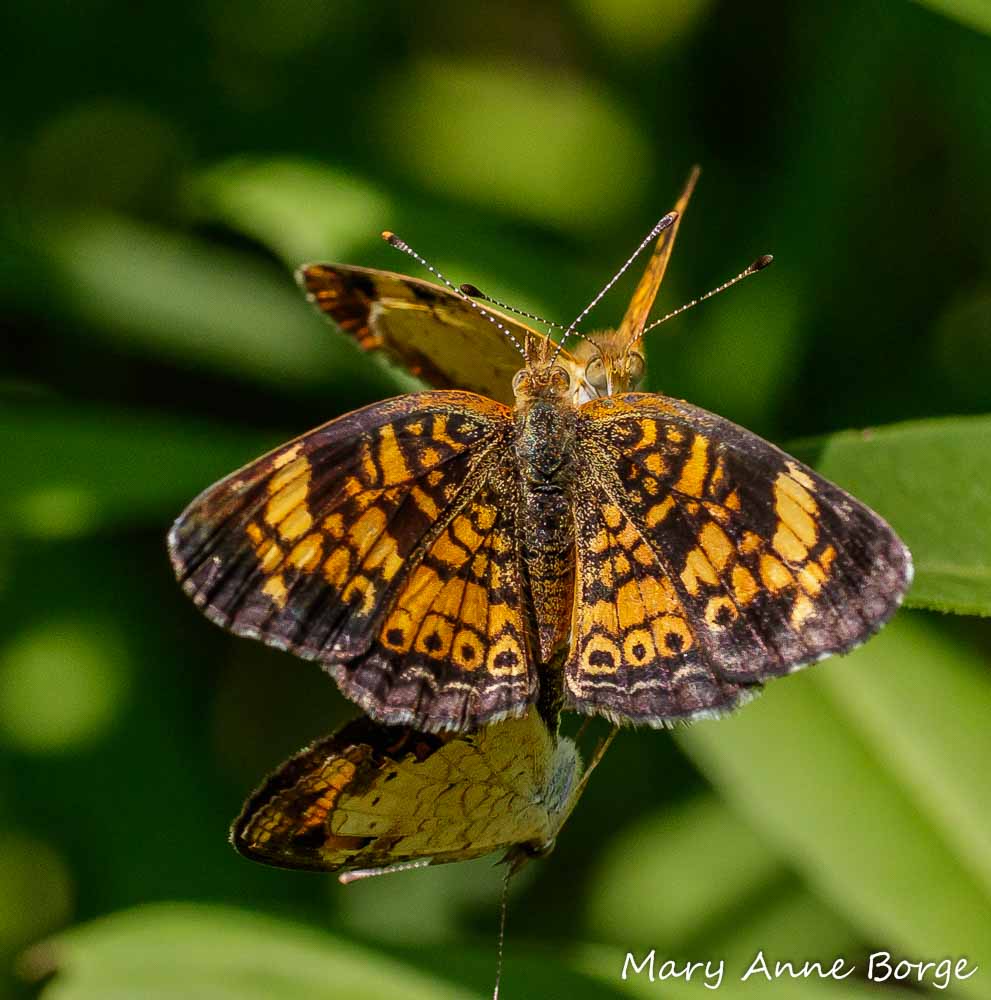
Pearl Crescent female mating with one male while another continues to plead his case

Pearl Crescent female mating with one male while another continues to plead his case

She was mating with one male, while another, undeterred, continued to lobby for her favors. She remained steadfast.

Pearl Crescent female, above right, mating with male below her.  Male Pearl Crescent on left, "Hey baby, why don't you drop that loser and fly away with me?!"

Pearl Crescent female, above right, mating with male below her. Male Pearl Crescent on left, “Hey baby, why don’t you drop that loser and fly away with me?!”

The rejected male flew off, remaining close by in case the female changed her mind.

Rejected male to female, "I'll be waiting over here when you come to your senses."

Rejected male to female, “I’ll be waiting over here when you come to your senses.”

But she elected to stay with her original choice.

Mating Pearl Crescent butterflies

Mating Pearl Crescent butterflies

When they are finished, the female Pearl Crescent will seek out the select aster species that her offspring caterpillars will be able to digest. Among the acceptable species are Heath or Awl Aster (Symphyotrichum pilosum), Calico Aster (Symphyotrichum lateriflorum), Panicled Aster (Symphyotrichum lanceolatum), and Smooth Aster (Symphyotrichum laeve).

Pearl Crescent on aster

Pearl Crescent on aster

These bright little butterflies are active from April through November in the northern parts of their range, producing multiple broods.  In the south, they are active year-round.

Pearl Crescents can be found in most of the eastern two-thirds of the US; they are very common in the east.  Their range extends into Canada from southeastern Alberta to southern Ontario, and to the south in northeastern Mexico. Look for them in a meadow or garden near you!

Related Posts

What good is Dogbane?

Romance in the Meadow – Baltimore Checkerspots

Resources

Butterflies and Moths of North America

Cech, Rick; Tudor, Guy. Butterflies of the East Coast. 2005.


First Monarchs of the Season

Monarch butterfly on Butterflyweed (Asclepias tuberosa), in the meadow at Pennswood Village, Newtown, PA

Monarch butterfly on Butterflyweed (Asclepias tuberosa), in the meadow at Pennswood Village, Newtown, PA

In the past week, I’ve seen Monarchs in three different locations.  (This is the only one that would pose for me!)  Cause for optimism?  Have you seen any Monarchs this summer?

What Do Juniper Hairstreaks and Cedar Waxwings Have in Common?

Juniper Hairstreaks are sprightly little butterflies with varying color forms that predominate in different parts of their range.  Where I live in the east, the ‘Olive’ Juniper Hairstreak is present, sporting a sparkling bright green and brown coloration.  The Juniper Hairstreak is named after its caterpillar food plant, which is Eastern Red Cedar in much of the eastern two thirds of the United States, east of the Rocky Mountains.  To understand the origin of the butterfly’s name, it helps to know that this plant is actually a juniper, reflected in its scientific name, Juniperus virginiana.

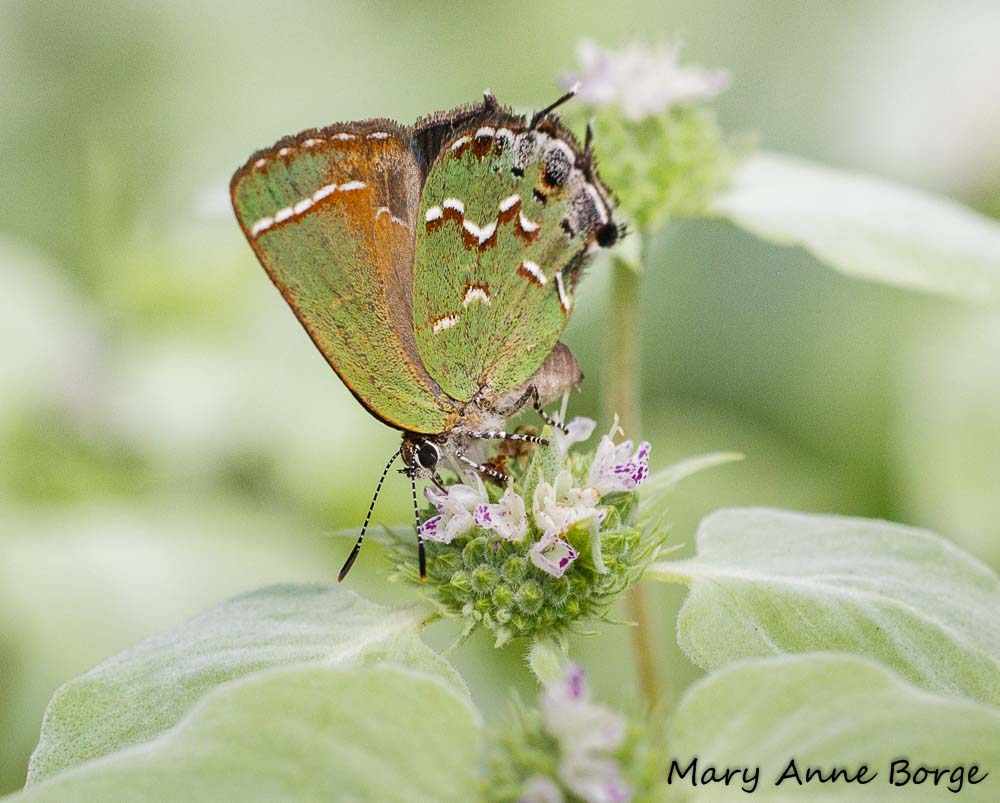
Juniper Hairstreak nectaring on Short-toothed Mountain Mint (Pycnanthemum muticum)

Juniper Hairstreak nectaring on Short-toothed Mountain Mint (Pycnanthemum muticum)

Juniper Hairstreak’s distribution is sometimes described as ‘locally common’, because this butterfly is usually found in close proximity to its caterpillar food plant.  Male Juniper Hairstreaks spend their time perched on the branches of their caterpillar food trees, waiting for a receptive female to appear.  Eggs are laid singly on the tips of the tree branches.

Juniper Hairstreak nectaring on Narrow-leaved Mountain Mint (Pycnanthemum tenuifolium)

Juniper Hairstreak nectaring on Narrow-leaved Mountain Mint (Pycnanthemum tenuifolium)

Adult Juniper Hairstreaks visit flowers of many perennials for nectar, but this is most often in the vicinity of their caterpillar food plants.  In my area, they seem especially fond of nectaring at Mountain Mints (Pycnanthemum species), but I have also seen them feeding on coneflowers and other aster family members.

Juniper Hairstreak nectaring on Eastern Coneflower (Rudbeckia fulgida)

Juniper Hairstreak nectaring on Eastern Coneflower (Rudbeckia fulgida)

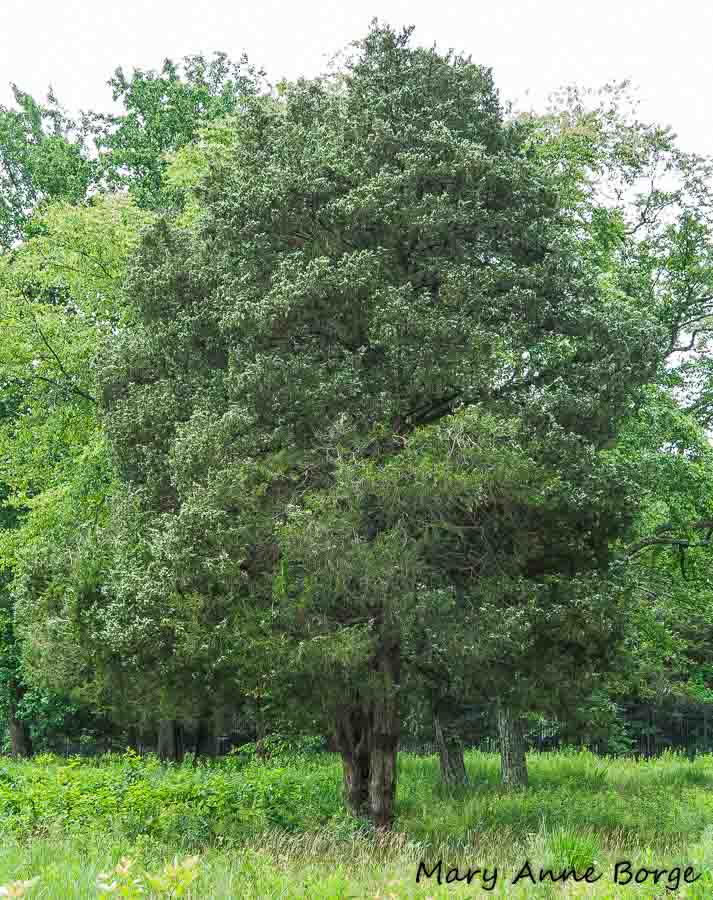
Eastern Red Cedar is an evergreen tree with a shape that is generally pyramidal or columnar.  It usually grows to a maximum height of about 40 feet (12+ meters), although in the right conditions it can grow taller.  It does best in full sun.  Eastern Red Cedar can tolerate moist to dry soils but is especially well adapted to dry conditions, making it a good candidate for locations where drought is a concern.  It is effective alone as a specimen tree, or on larger properties it can be used for privacy screening or to line a driveway.  Its deep root system enables Eastern Red Cedar to stand up to strong winds, so it also makes an effective windbreak. It can even stand up to tropical storms.

Eastern Red Cedar (Juniperus virginiana)

Eastern Red Cedar (Juniperus virginiana)

The evergreen foliage of Eastern Red Cedar provides year-round visual interest.  It is accented by the changing color of its fruit, which begin to develop in pale shades of grayish blue by mid to late spring, ripening throughout the summer to a deep blue.  Often some fruits will remain on the trees through much of the winter.  While these fruits look like luscious berries, they are actually cones.  Although there are occasional exceptions, Eastern Red Cedar generally has male and female reproductive parts on separate plants.  At least one male is needed in the neighborhood to produce pollen.  Only the female trees will have the showy berry-like cones.  Eastern Red Cedar relies on wind to achieve pollination.

Eastern Red Cedar (Juniperus virginiana) cones

Eastern Red Cedar (Juniperus virginiana) cones

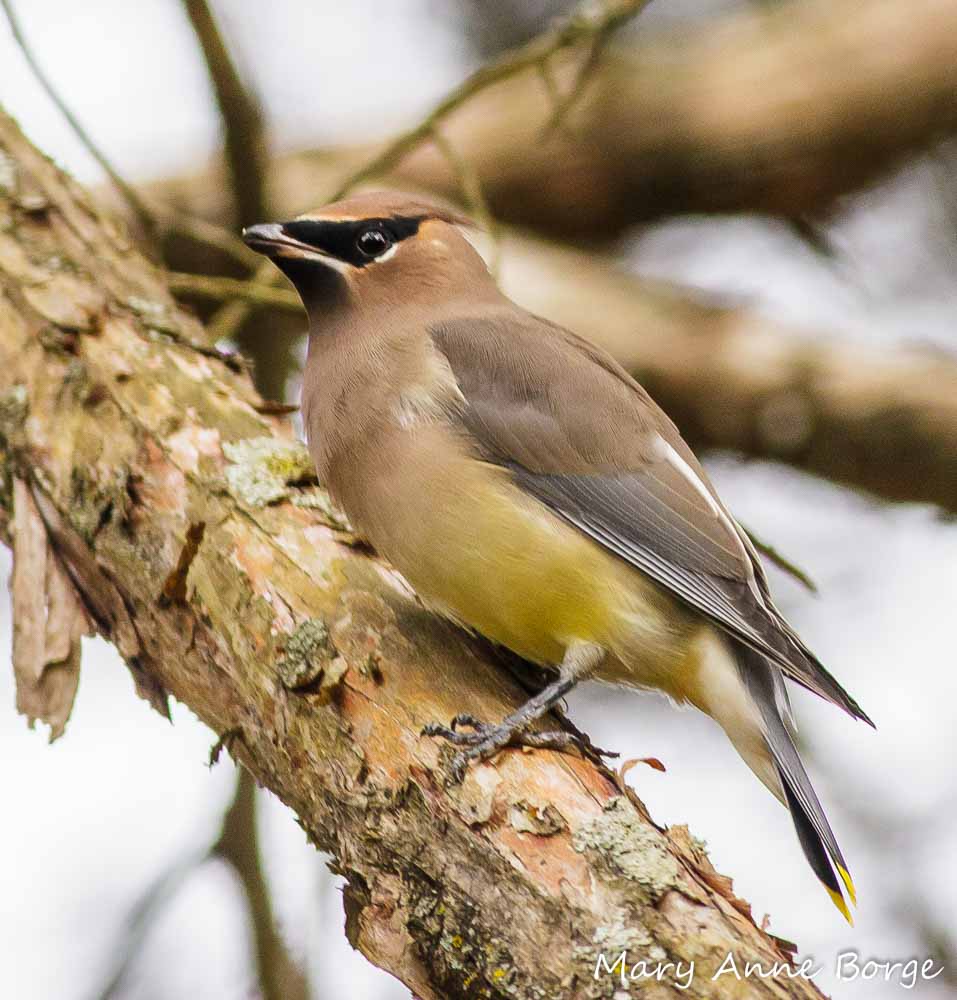
In addition to being a caterpillar food plant for Juniper Hairstreaks, Eastern Red Cedar is great for birds.  The berry-like cones provide food from late summer through much of the winter for many bird species.  The social Cedar Waxwings, for whom fruit is a larger part of their diet than it is for most birds, were named for their love of these cones.  Eastern Red Cedar’s dense foliage provides good coverage for small to medium sized birds who are looking for a place to perch safely out of view and reach from larger predators.

Cedar Waxwing

Cedar Waxwing

Eastern Red Cedar is a hardy tree that reproduces readily.  It is sometimes referred to as a pioneer species, since it is often one of the first tree species to appear in fields and meadows.  This is usually the result of its seeds passing through the digestive system of birds, a process that increases the chance that the seed will germinate successfully.

What do Juniper Hairstreaks and Cedar Waxwings have in common?  Both depend on Eastern Red Cedar for food.  Juniper Hairstreak caterpillars rely for their survival solely on this tree species .  Cedar Waxwings have a strong preference for the cones of Eastern Red Cedar, but also eat many other fruits.  The names of both of these animals reflect the strong association between them and Eastern Red Cedar.

Watch to see how many different bird species dine or take shelter in Eastern Red Cedar.  If there are good nectar plants nearby, you’ve found a hospitable home for Juniper Hairstreaks, too.

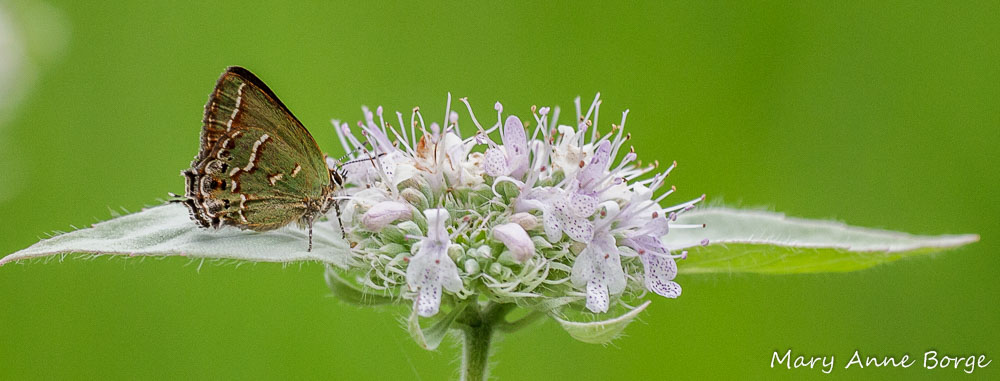
Juniper Hairstreak on Hoary Mountain Mint (Pycnanthemum incanum)

Juniper Hairstreak on Hoary Mountain Mint (Pycnanthemum incanum)


Resources

USDA Eastern Red Cedar Plant Fact Sheet

USDA Eastern Red Cedar Plant Guide

Lady Bird Johnson Wildflower Center

Butterflies and Moths of North America

Sibley, David Allen.  The Sibley Guide to Bird Life and Behavior.  2001.