Reasons to Love Winter

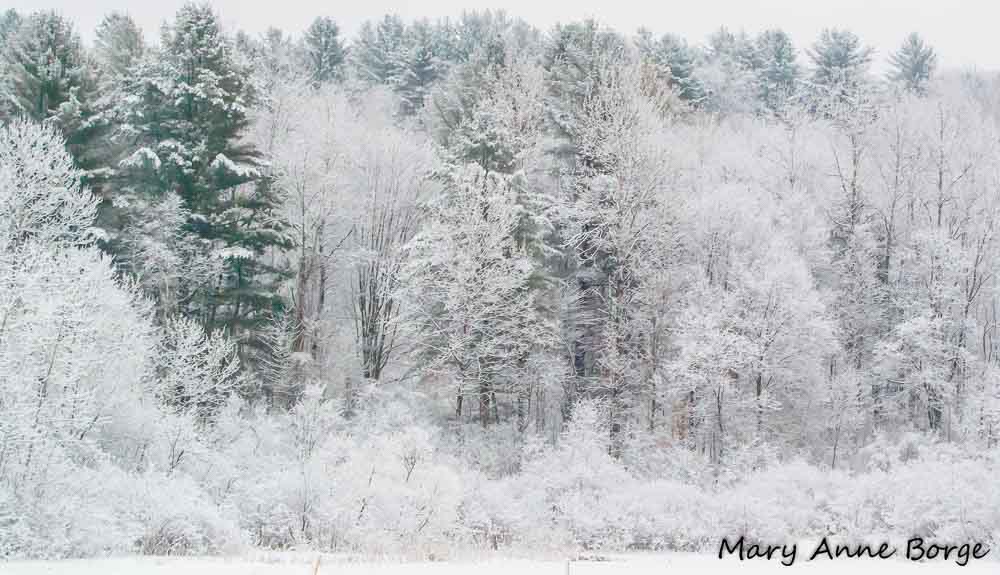
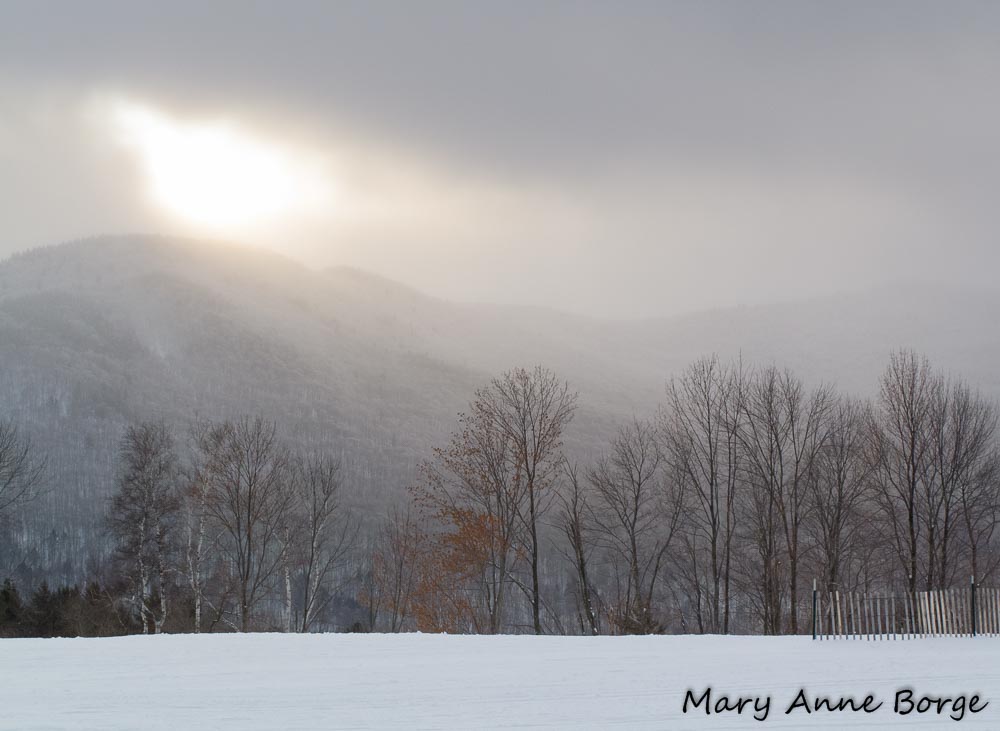
Stowe, Vermont

Stowe, Vermont

Have you been ready for spring since about January 2?  Wondering how you’ll ever get through the remaining weeks of winter?  The best way I know is to get outside and enjoy what nature has to offer.  When there’s enough snow, cross country skiing or snowshoeing are both good ways to keep warm enough to enjoy exploring the beauty of your surroundings.  Or go for a walk in a nearby park, natural area, or your own garden.

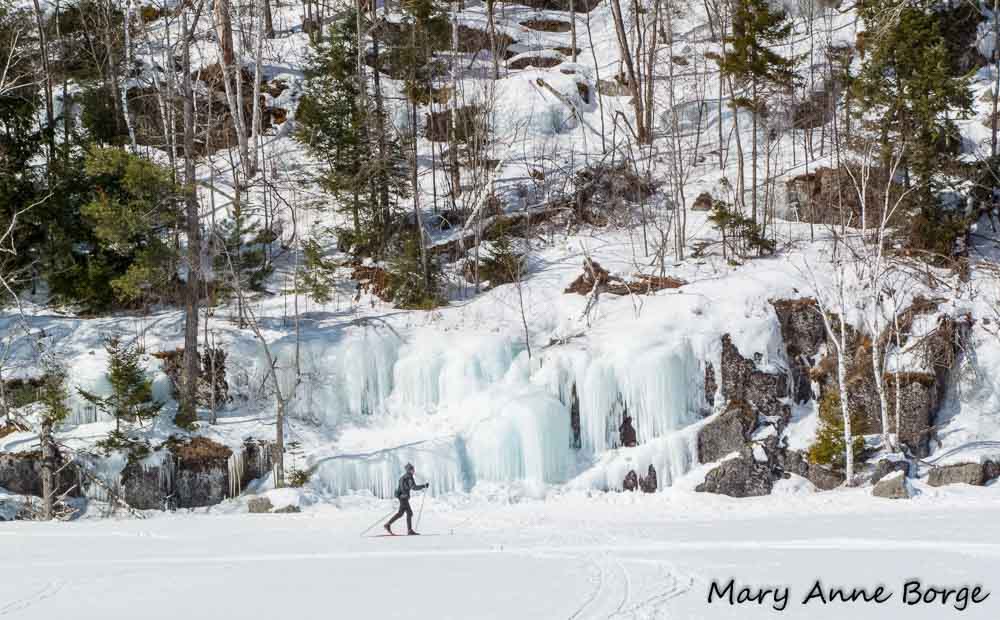
Thirteenth Lake, Garnet Hill Lodge, North Creek,  New York

Thirteenth Lake, Garnet Hill Lodge, North Creek, New York

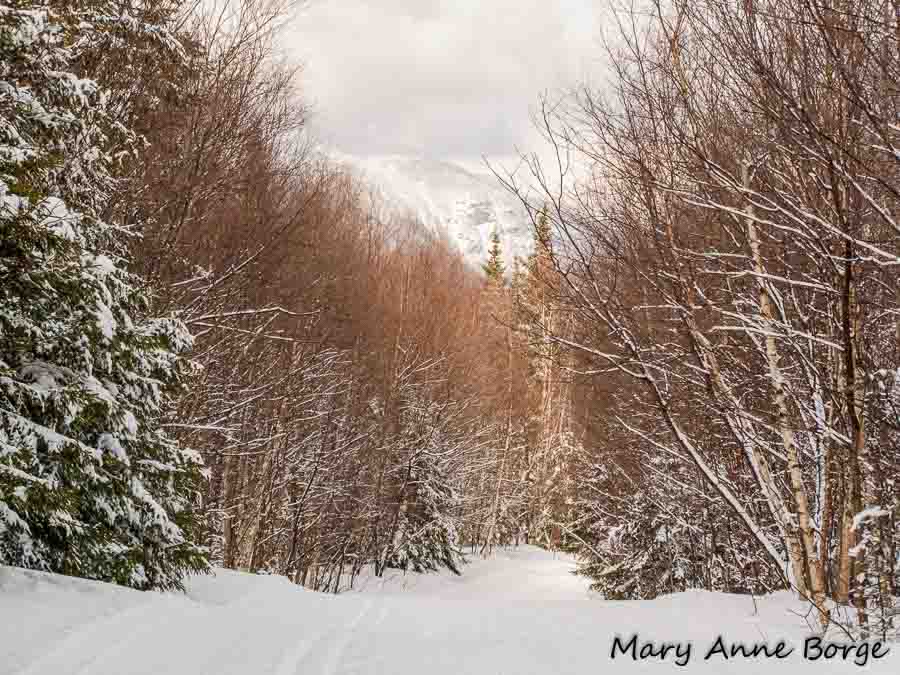
View from a ski trail: Haul Road, Trapp Family Lodge, Stowe, Vermont

View from a ski trail: Haul Road, Trapp Family Lodge, Stowe, Vermont

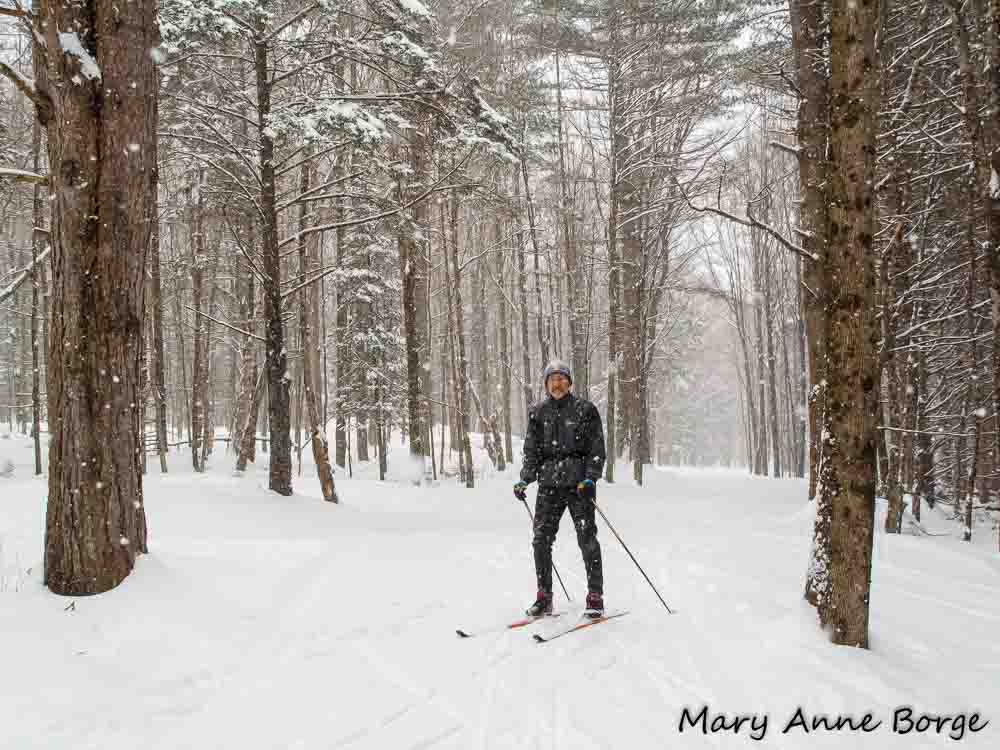
Cross Country skier in the woods, Trapp Family Lodge, Stowe, Vermont

Cross Country skier in the woods, Trapp Family Lodge, Stowe, Vermont

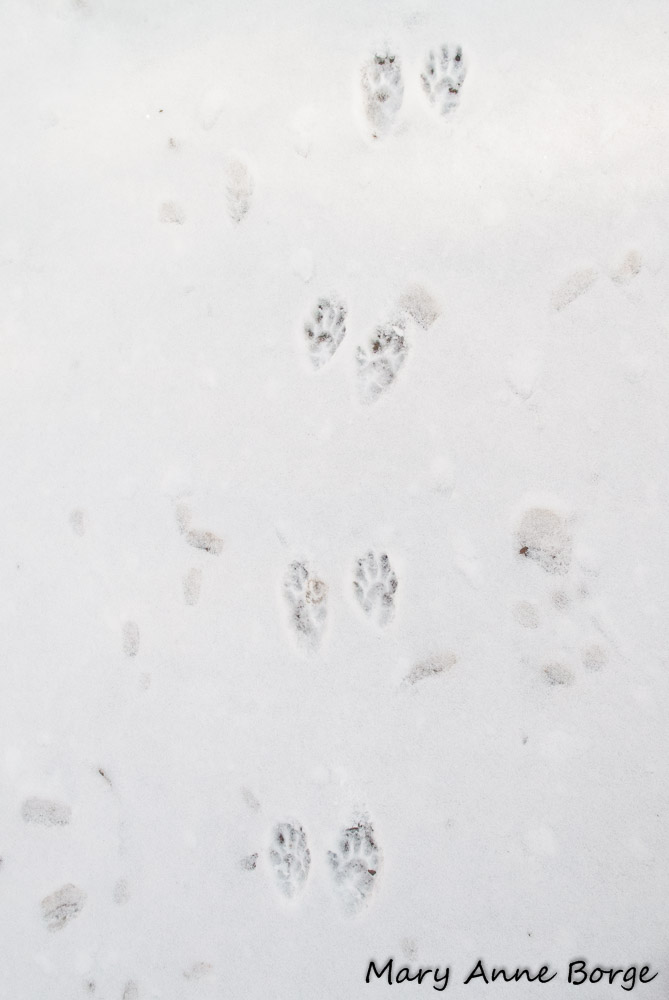
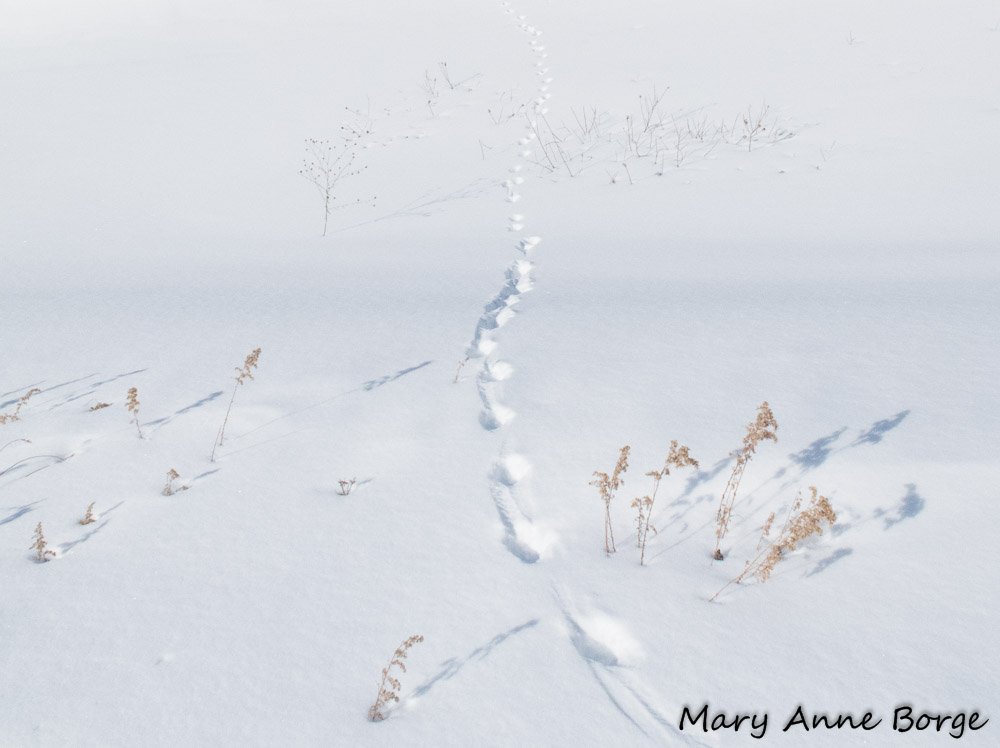
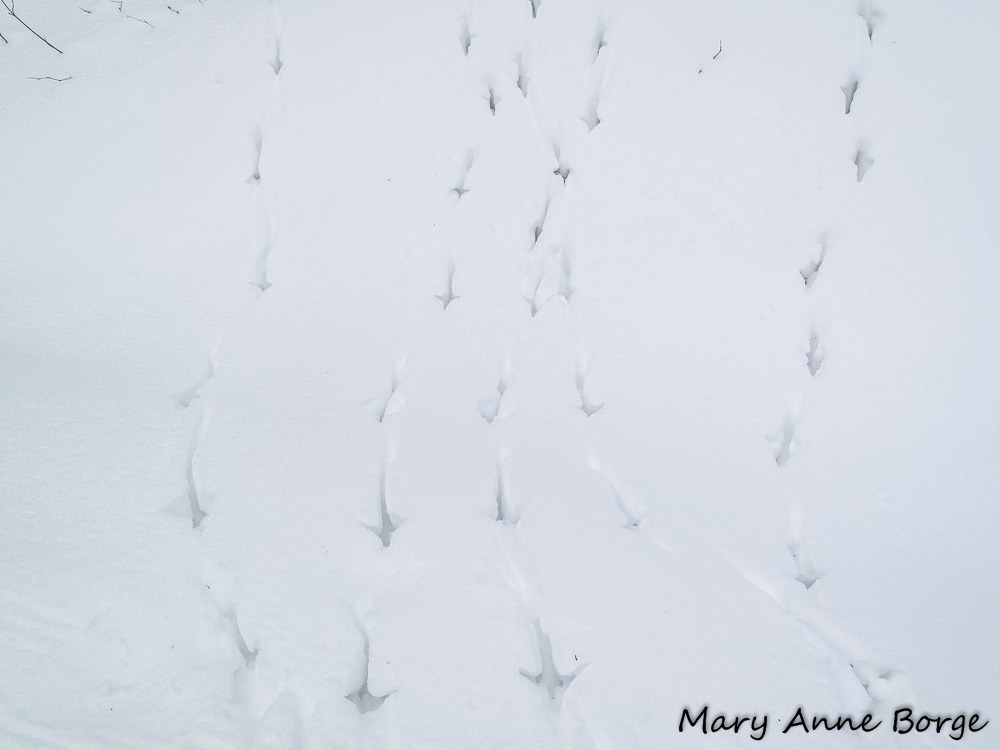
While you’re out you’ll almost certainly spot animal tracks.

Raccoon tracks, Bowman's Hill Wildflower Preserve, New Hope, Pennsylvania

Raccoon tracks, Bowman’s Hill Wildflower Preserve, New Hope, Pennsylvania

Fox tracks

Fox tracks

Grouse tracks, Trapp Family Lodge, Stowe, Vermont

Grouse tracks, Trapp Family Lodge, Stowe, Vermont

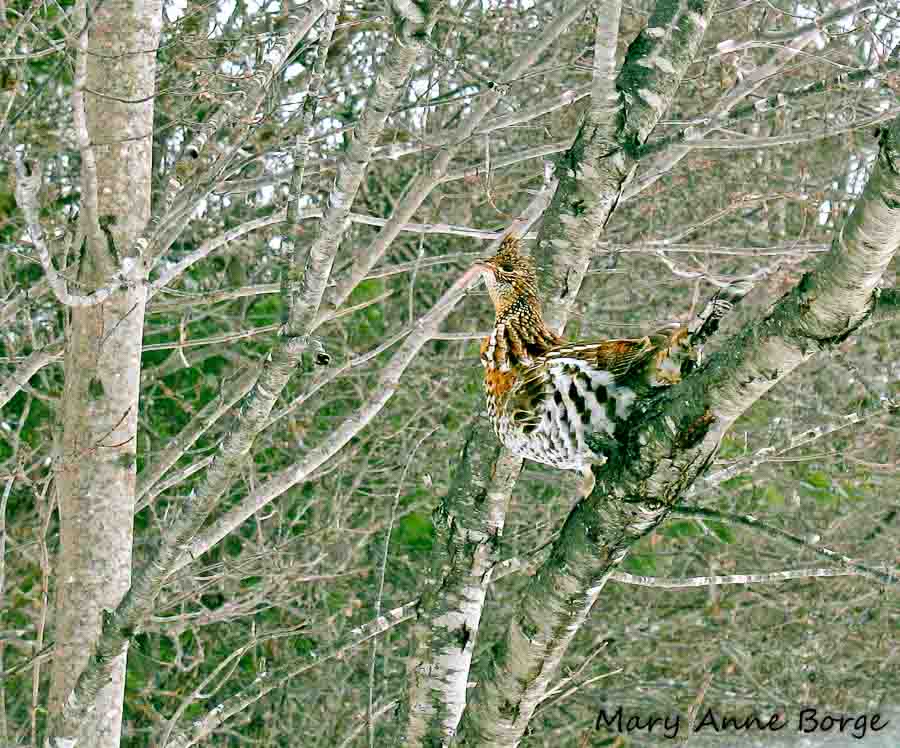
If you’re really lucky, you’ll spot the critter that made the tracks.

Ruffed Grouse

Ruffed Grouse

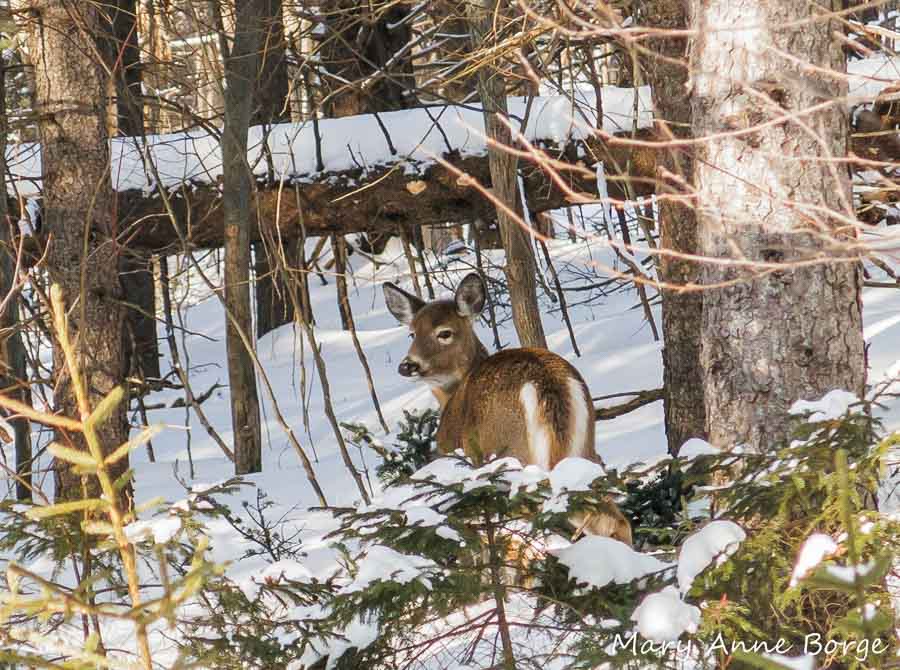
White-tailed Deer

White-tailed Deer

You may see evidence of insects or spiders attempting to survive the winter in one form or another.

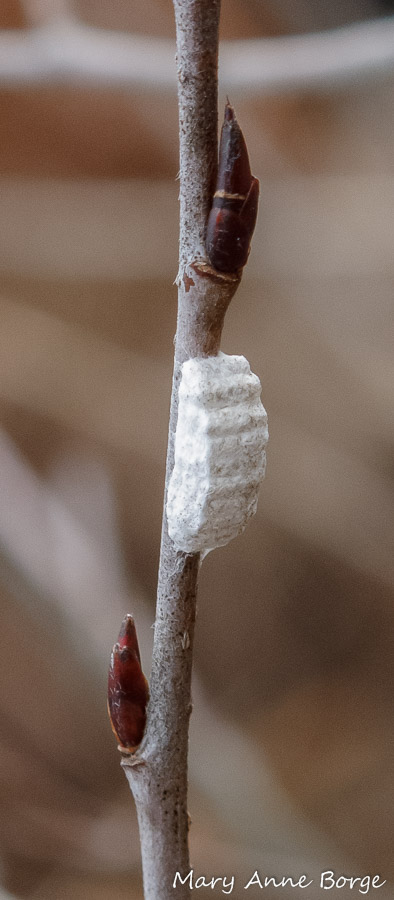
Braconid wasp cocoon bundle

Braconid wasp cocoon bundle

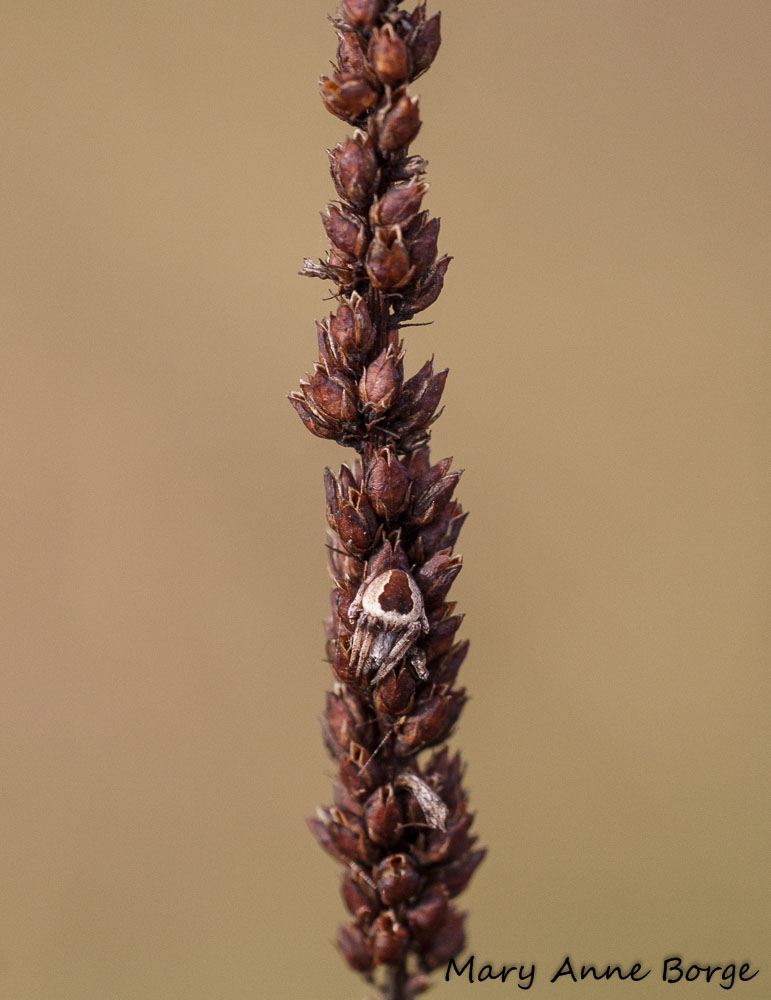
Well-camoflaged spider on Culver's Root (Veronicastrum virginicum), facing south to catch the sun's warmth

Well-camoflaged spider on Culver’s Root (Veronicastrum virginicum), facing south to catch the sun’s warmth

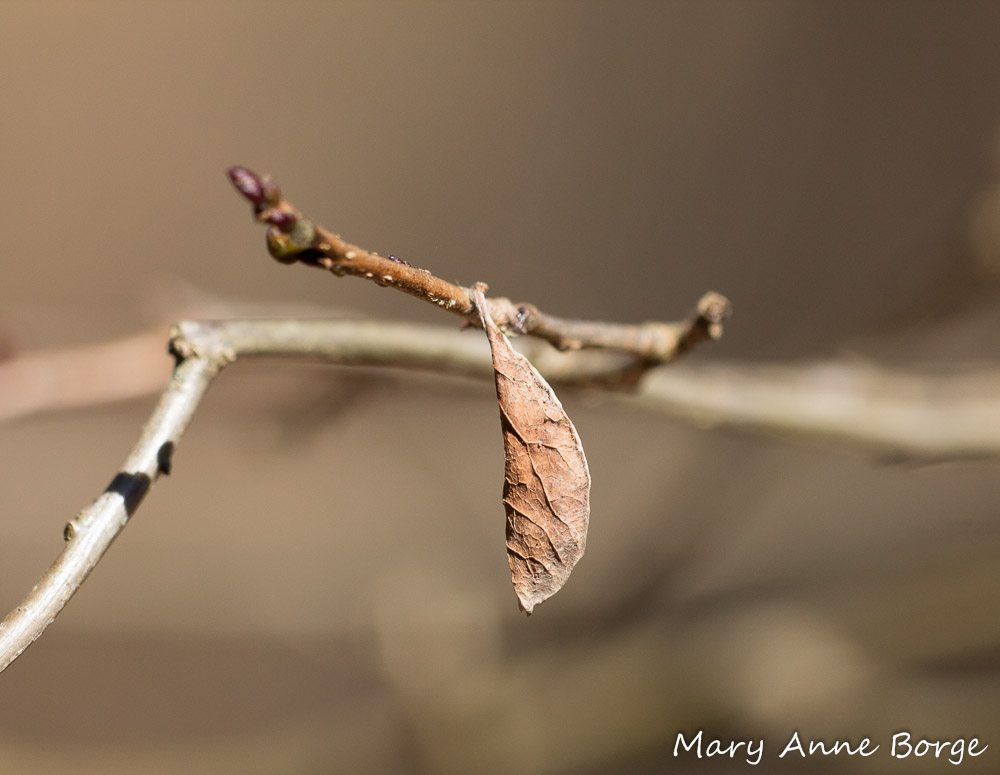
Mystery cocoon made from a leaf and silk.  Could it be a moth?  A spider?

Mystery cocoon made from a leaf and silk. Could it be a moth? A spider?

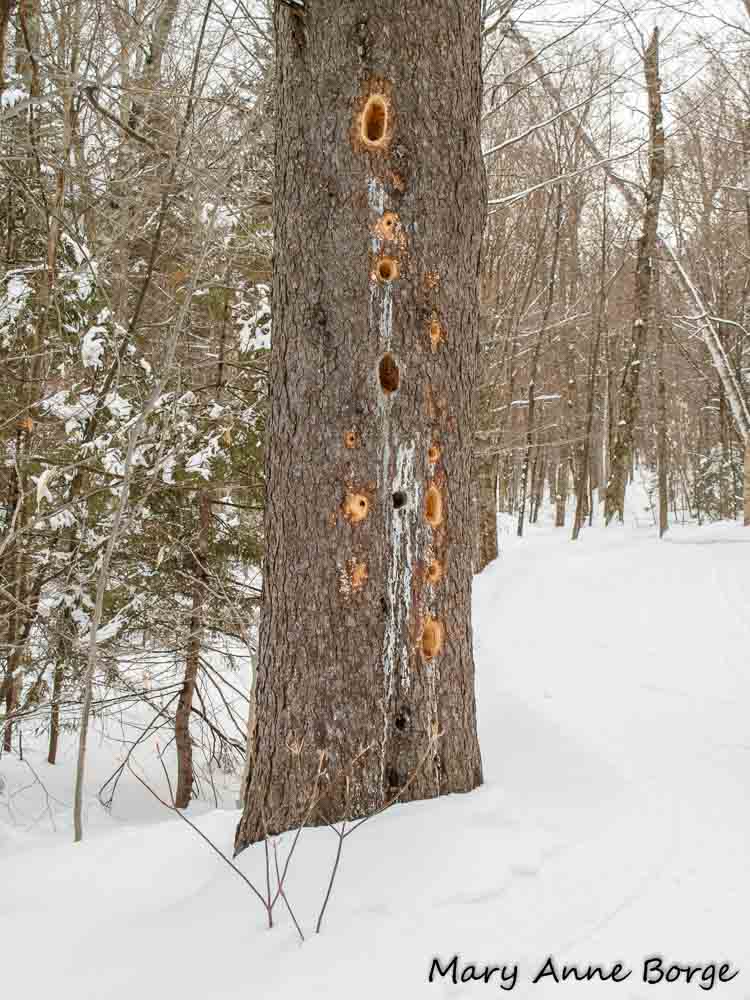
Or you may find evidence that some insects have instead become food for birds. In the photo below, the holes in the tree were made by a Pileated Woodpecker, the result of excavating for a meal of carpenter ants or other insects.

Holes excavated by Pileated Woodpecker

Holes excavated by Pileated Woodpecker

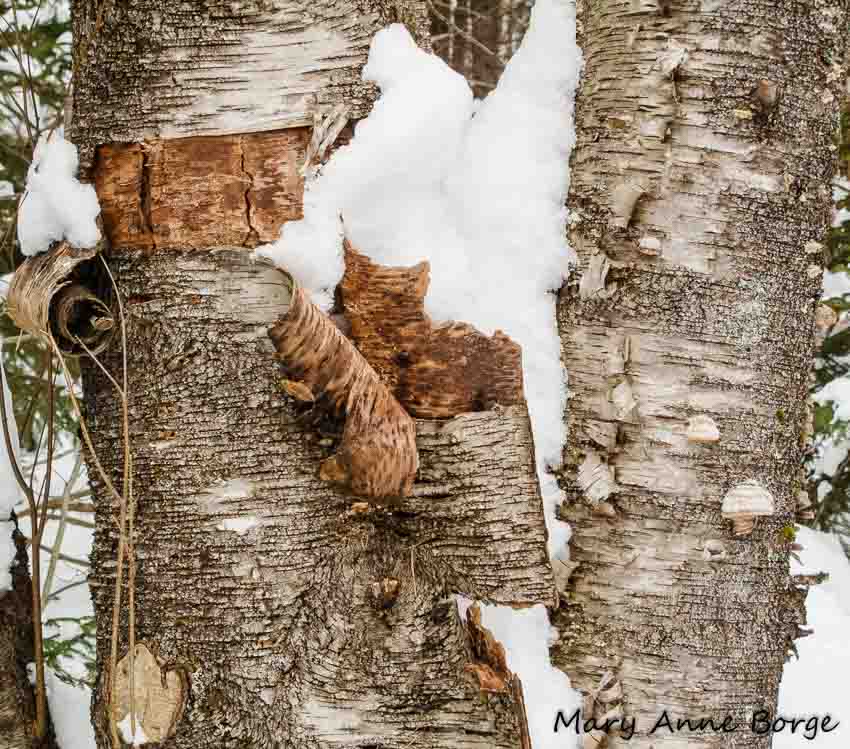
With the leaves mostly off the trees, the spotlight is on the beauty of bark

Pealing birch bark

Pealing birch bark

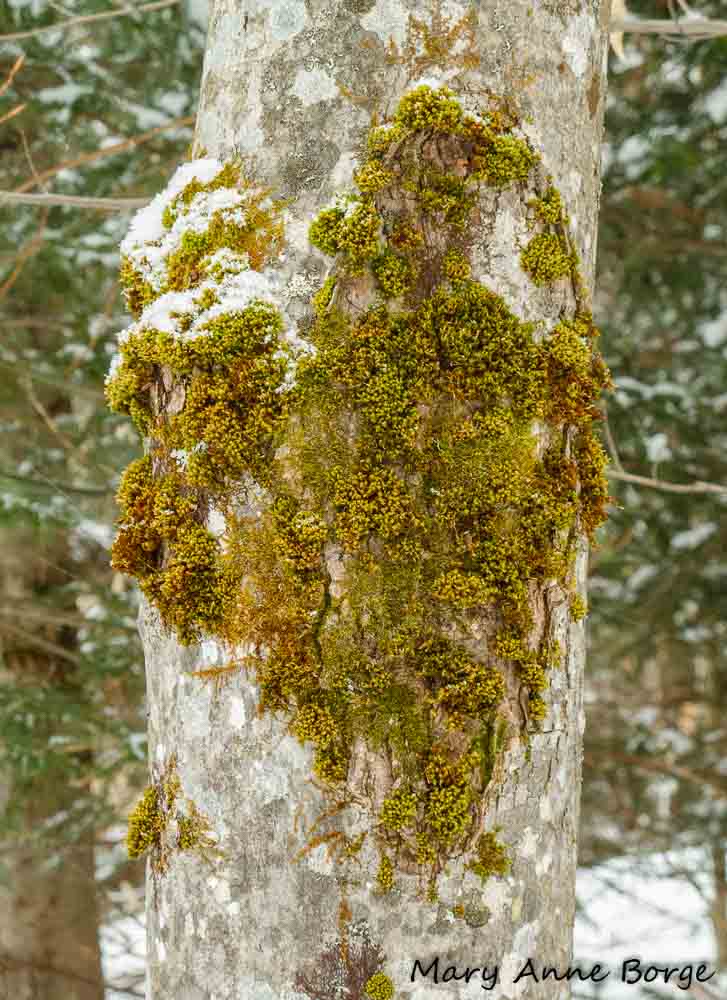
and the mosses,

Moss on tree bark

Moss on tree bark

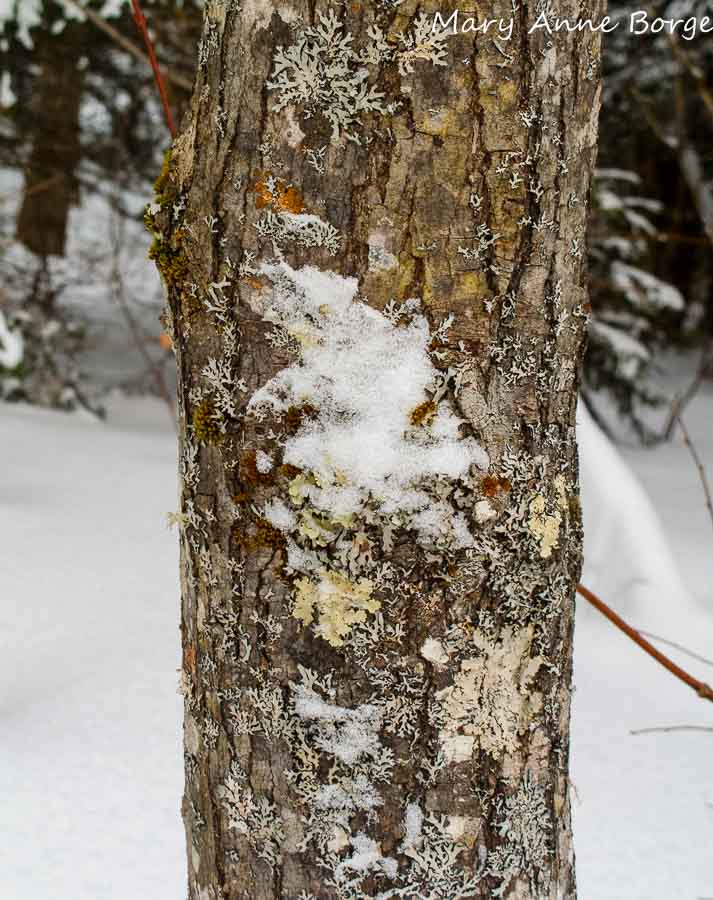
lichens,

Lichens

Lichens

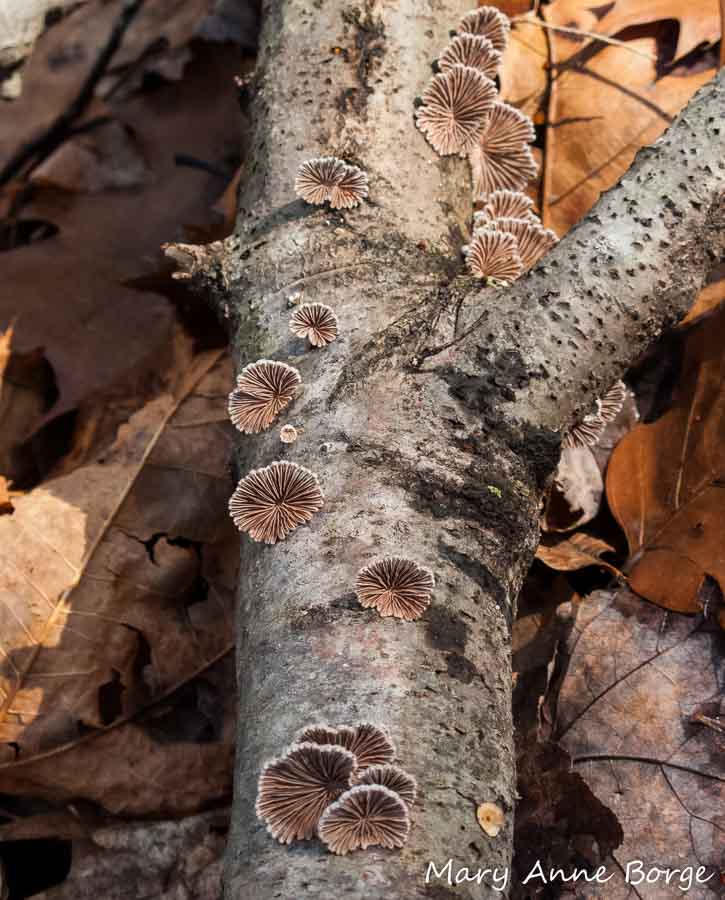
and mushrooms that decorate tree trunks and branches.

Common Split Gill mushrooms, commonly found on dead branches, help decompose the wood

Common Split Gill mushrooms, commonly found on dead branches, help decompose the wood

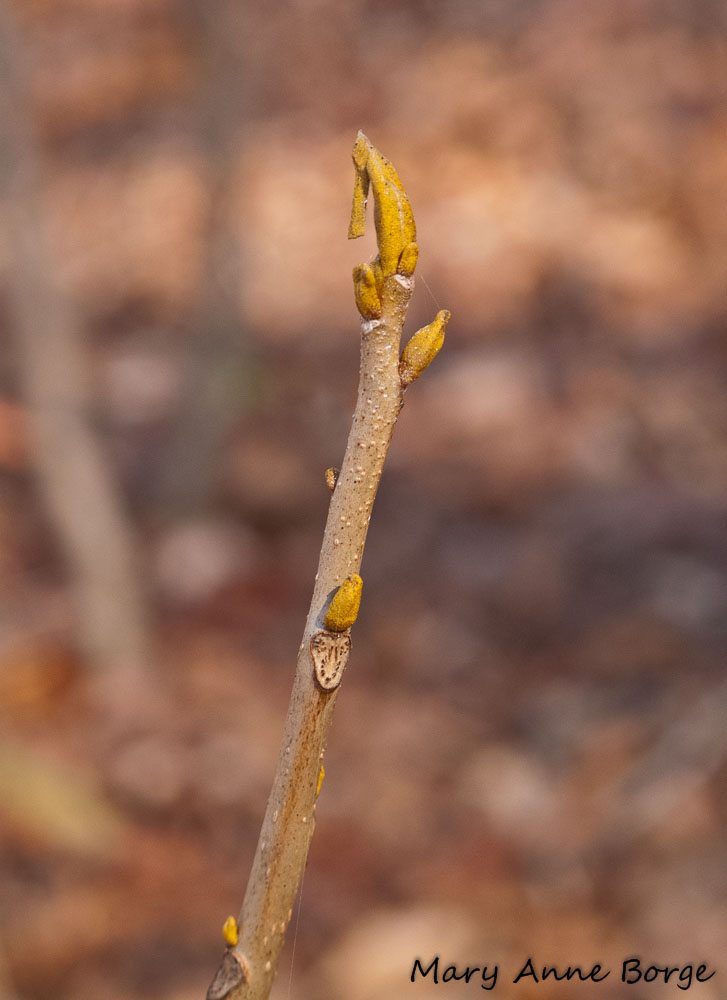
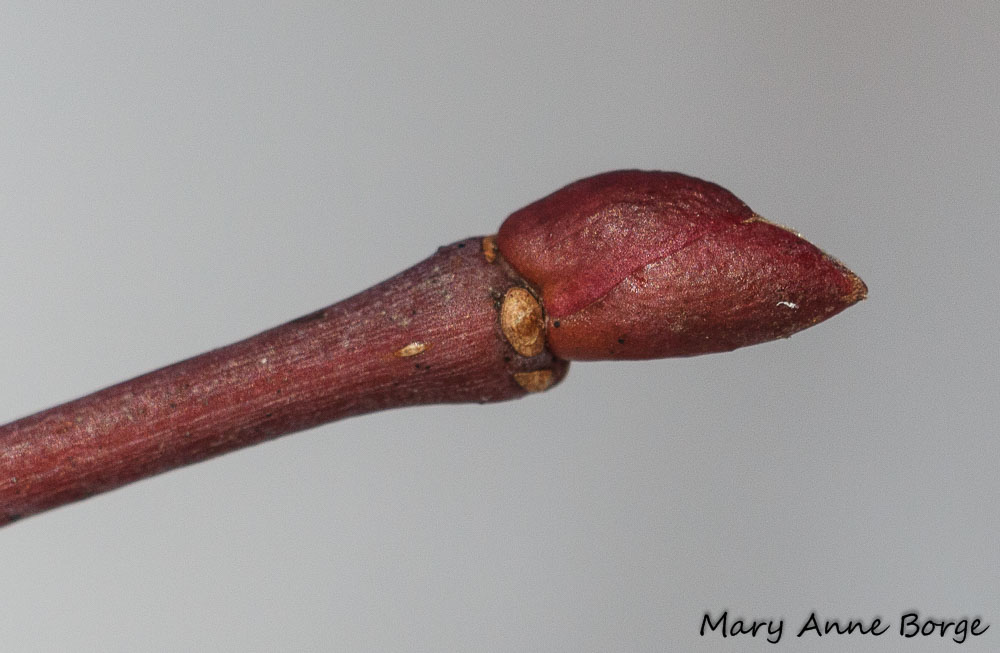
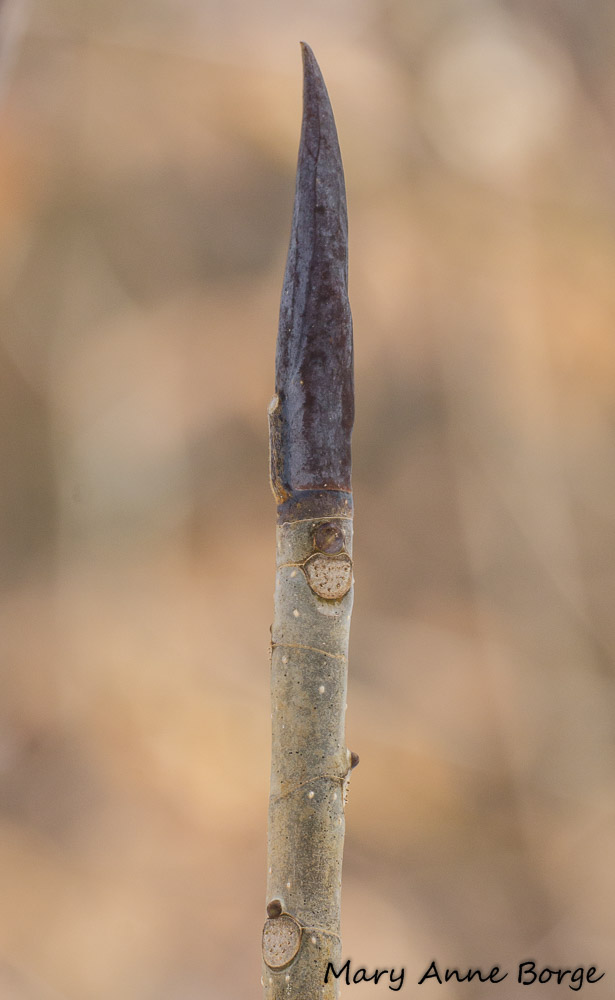
Winter buds are a promise of spring to come, showing subtle color and offering a way to identify trees in winter.

Bitternut Hickory (Carya cordiformis) buds and leaf scar

Bitternut Hickory (Carya cordiformis) buds and leaf scar

Basswood (Tilia americana) bud

Basswood (Tilia americana) bud

Umbrella Magnolia (Magnolia tripetala) bud and leaf scar

Umbrella Magnolia (Magnolia tripetala) bud and leaf scar

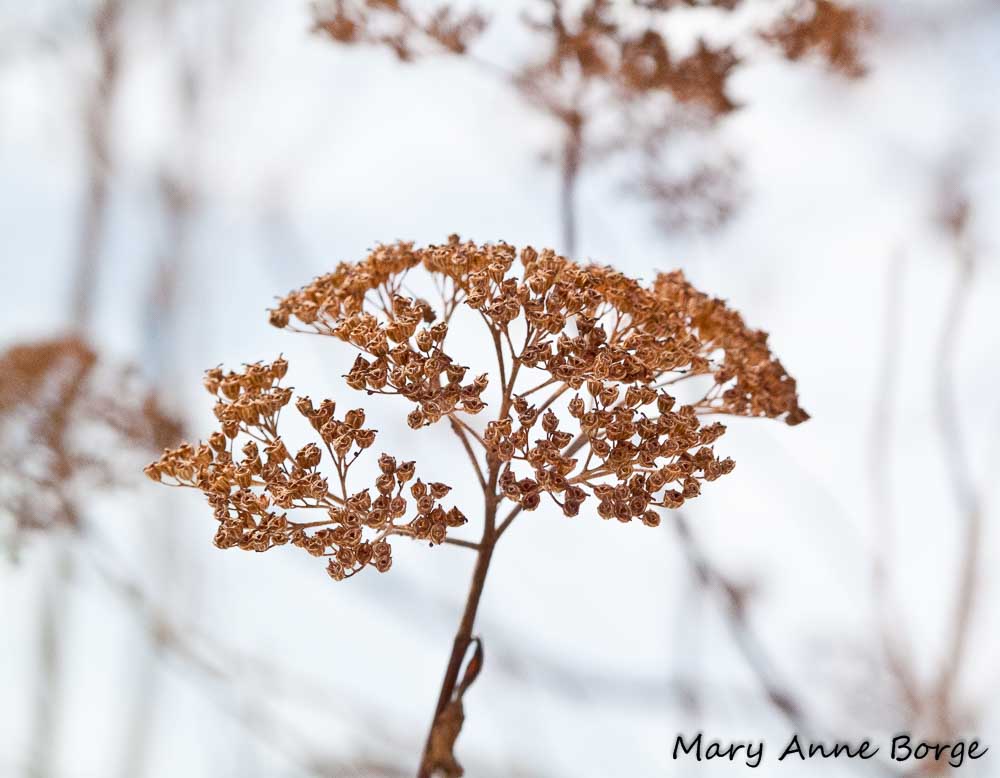
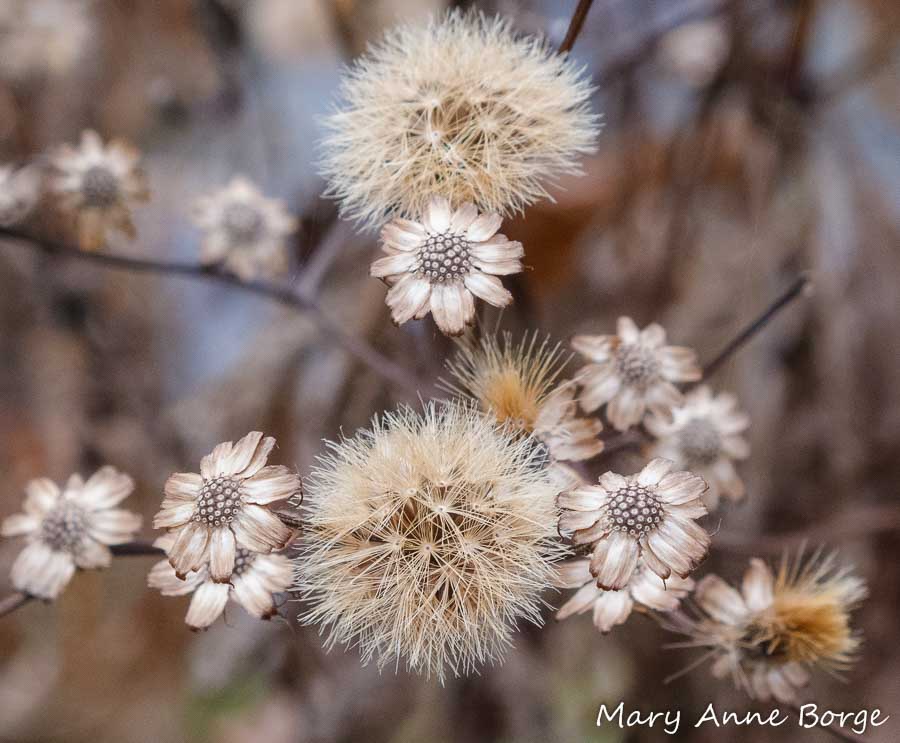
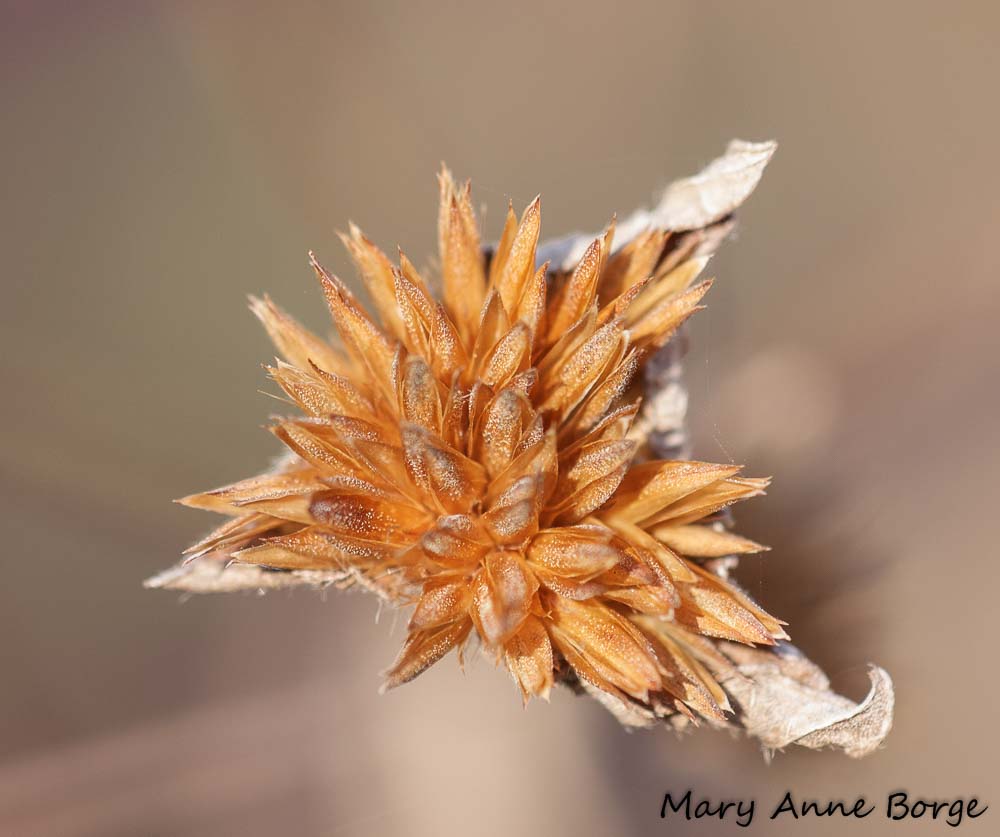
Winter fruits can be as beautiful as the flowers that produced them.

Wild Hydrangea (Hydrangea arborescens)

Wild Hydrangea (Hydrangea arborescens)

New York Ironweed (Vernonia noveboracensis)

New York Ironweed (Vernonia noveboracensis)

Elephant's foot (Elephantopus carolinianus)

Elephant’s foot (Elephantopus carolinianus)

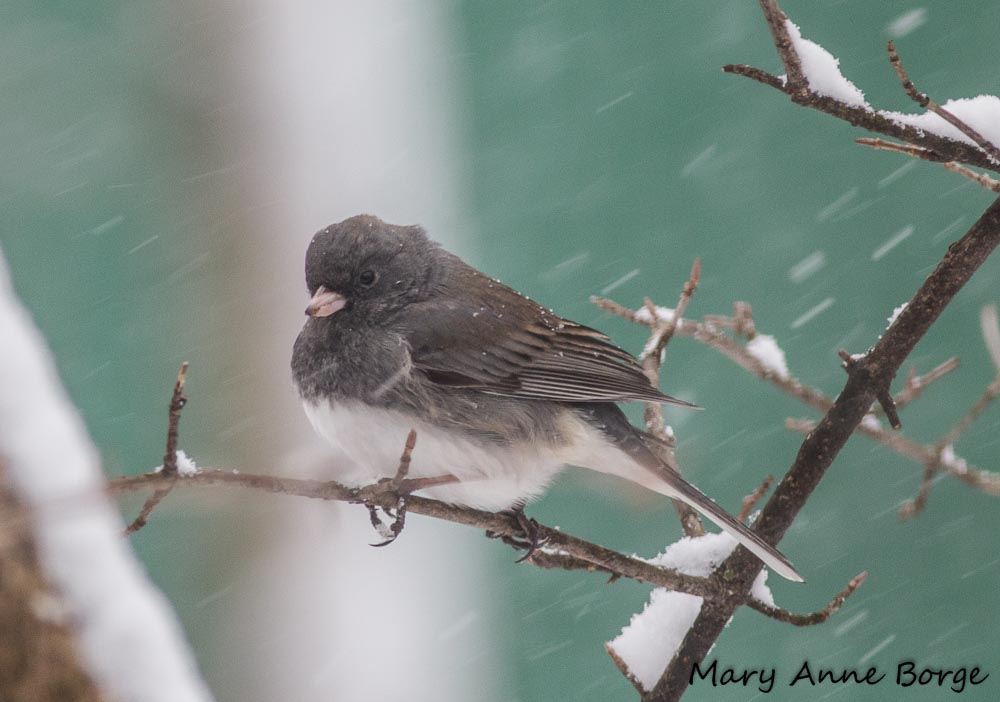
Birds, including some that you may only see in winter, eat some of the fruits.

Dark-eyed Junco

Dark-eyed Junco

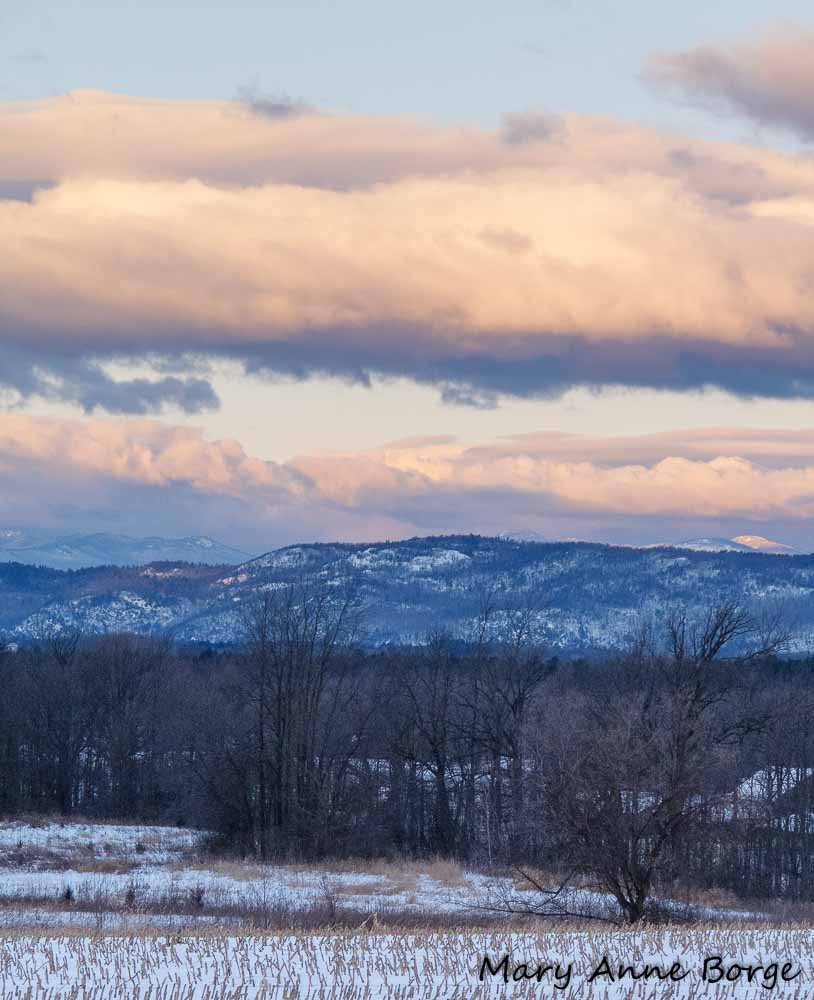
The low angle of winter light flatters the landscape.

View from Trapp Family Lodge, Stowe, Vermont

View from Trapp Family Lodge, Stowe, Vermont

Stowe, Vermont

Stowe, Vermont

These are just a few of the reasons to love winter as much as the other seasons.  Go out and explore while you can!

Related Posts

A Winter Garden Can be a Wildlife Habitat

Wonders of a Winter Walk – The Marsh

The Mist, the Meadow, and a Mystery

Backyard Birds, Snowstorm Number ??

American Beech

American Beech (Fagus grandifolia)

American Beech (Fagus grandifolia)

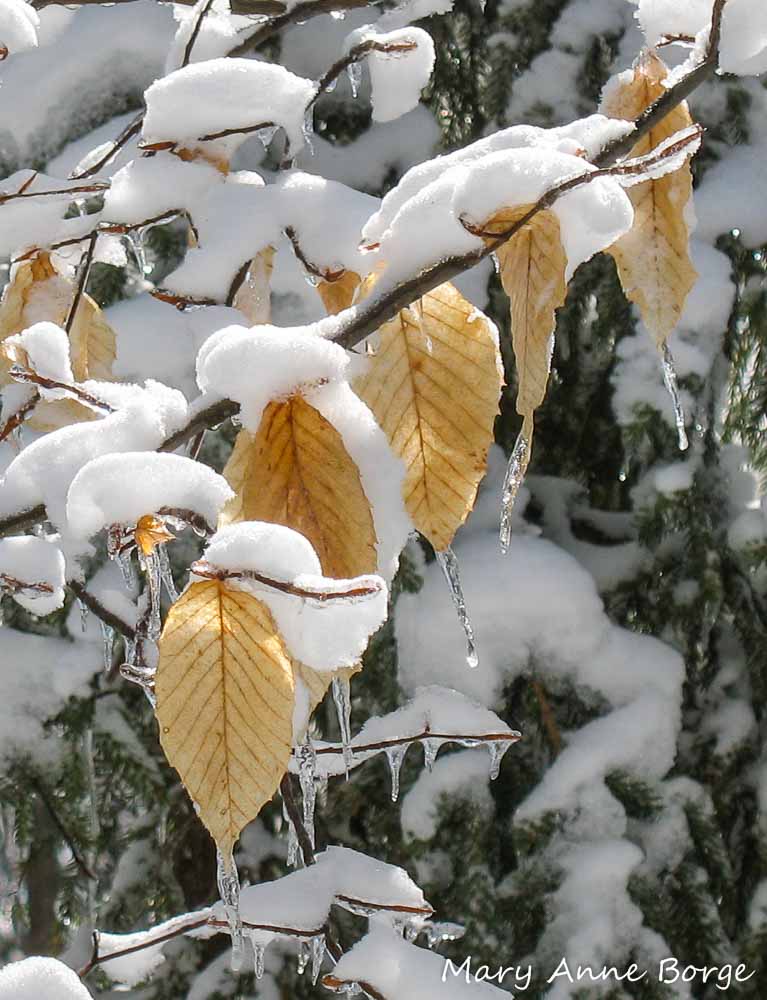
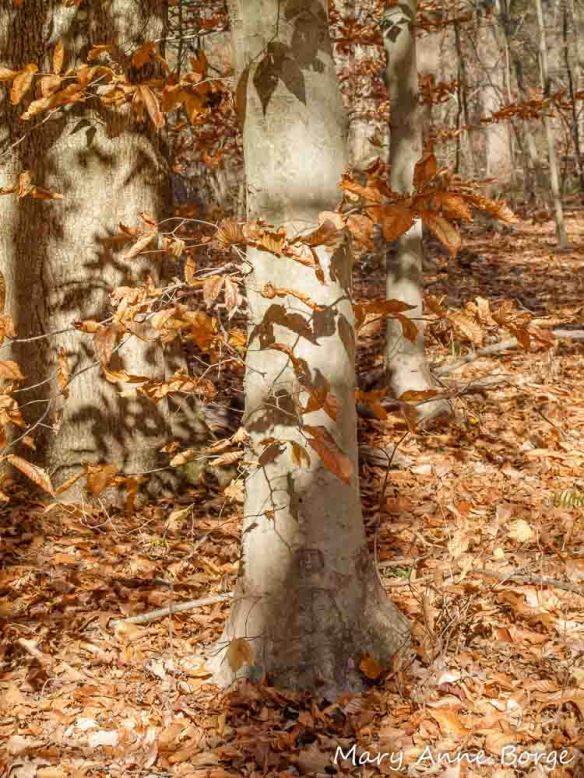
It can be surprising  to see leaves clinging to deciduous trees in mid-winter.  In eastern North America, some oak species and American Hophornbeam (Ostrya virginiana) may retain their leaves but American Beech (Fagus grandifolia) trees are among the most conspicuous to do so.  By January its leaves are bleached to a papery pale tan, catching the bright winter light while fluttering in the winter wind.  The leaves look delicate, but give one a tug and you’ll see how tenaciously they adhere to their branches.  American Beech leaves typically stay on the trees until early spring, withstanding the effects of even ice and snow.
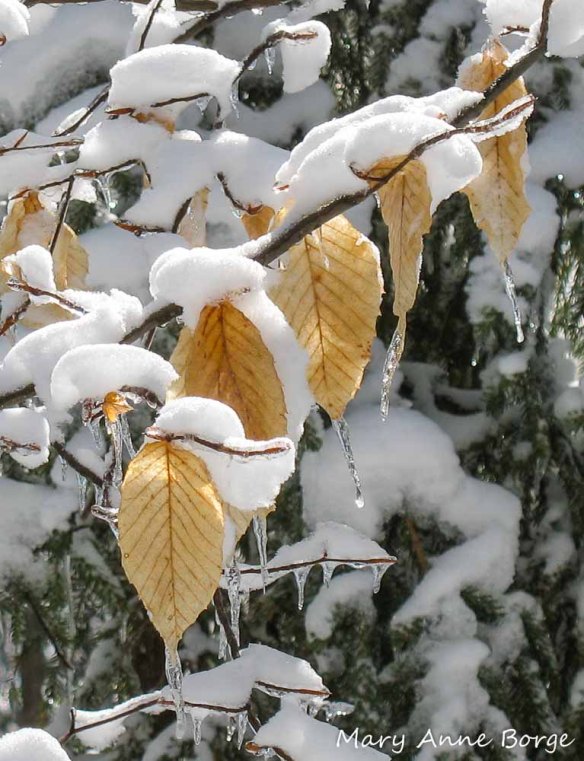
American Beech (Fagus grandifolia), in March

American Beech (Fagus grandifolia), in March

Why do American Beech and other trees keep some of their leaves in winter?  There are many theories:  the dry leaves may be a deterrent to winter browsing by deer, moose and other mammals;  holding some of the leaves until spring may be the trees’ way of time-releasing some nutrients for recycling into the soil;  the leaves may funnel more snow melt to the tree’s root system.  But no one knows for certain what caused this trait.

The smooth, pale gray bark is an unmistakable characteristic of American Beech, often tempting passers-by to carve their initials.  A more interesting possibility is a sighting of animal ‘tracks’ – claw marks from animals that may have climbed the tree at some point.
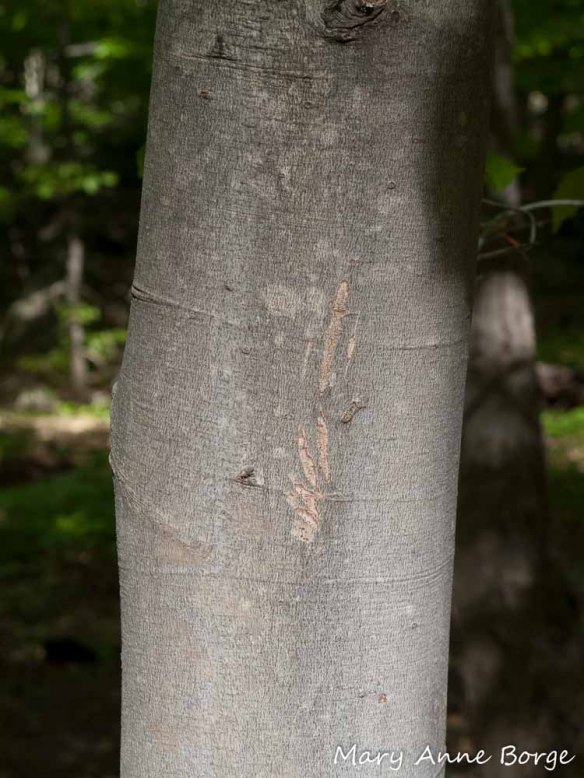
Animal 'tracks' on American Beech (Fagus grandifolia)

Animal ‘tracks’ on American Beech (Fagus grandifolia)

Trees are susceptible to frost cracks in winter, caused by warming from the low-angled rays of the winter sun, followed by rapid cooling when the sun sets or disappears behind a cloud.  Both the bark and the wood it encompasses expand in the warm sun, but the bark may cool more quickly than the wood when the sun disappears, causing lengthwise cracks to occur in the bark.  If temperatures are warm enough, portions of the inner bark may become active, only to be killed if a rapid refreeze occurs.  American Beech evolved to minimize the harsh effects of the sun by having light-colored bark that reflects the sun’s rays.  The winter leaves may provide an additional layer of protection from the warm sunlight.

American Beech’s long, sharply pointed copper-colored buds are another distinctive winter identification feature.
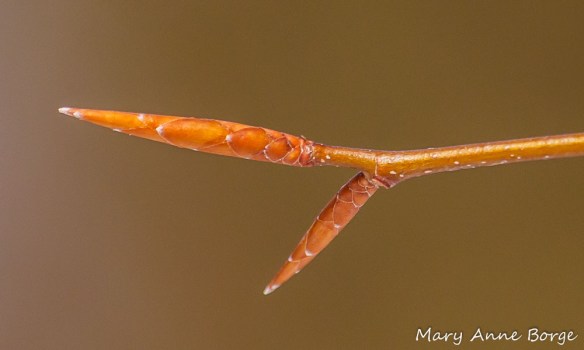
American Beech (Fagus grandifolia) buds

American Beech (Fagus grandifolia) buds

As spring approaches, American Beech buds grow longer and plump, eventually opening to reveal newly unfurling leaves, accordion pleated and hairy as they first emerge.  The long silky hairs are an adaptation to make the new leaves less appealing to the many species of hungry caterpillars and other insects that may eat the leaves later as the hairiness dissipates.
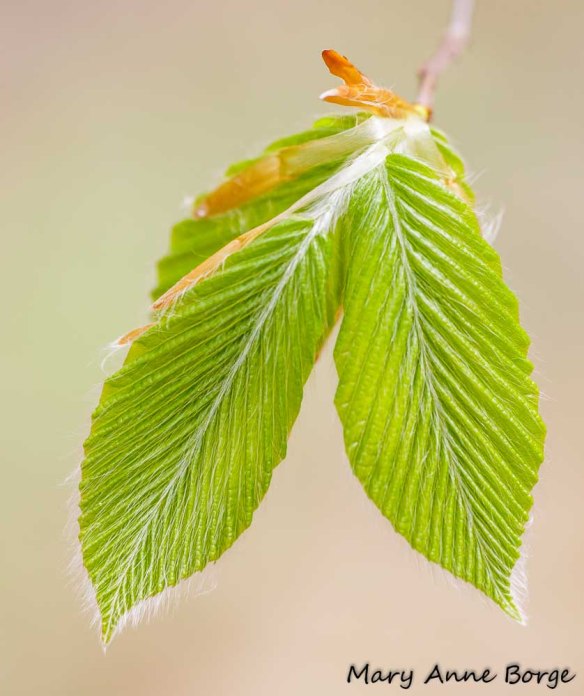
Newly unfurled leaves of American Beech (Fagus grandifolia)

Newly unfurled leaves of American Beech (Fagus grandifolia)

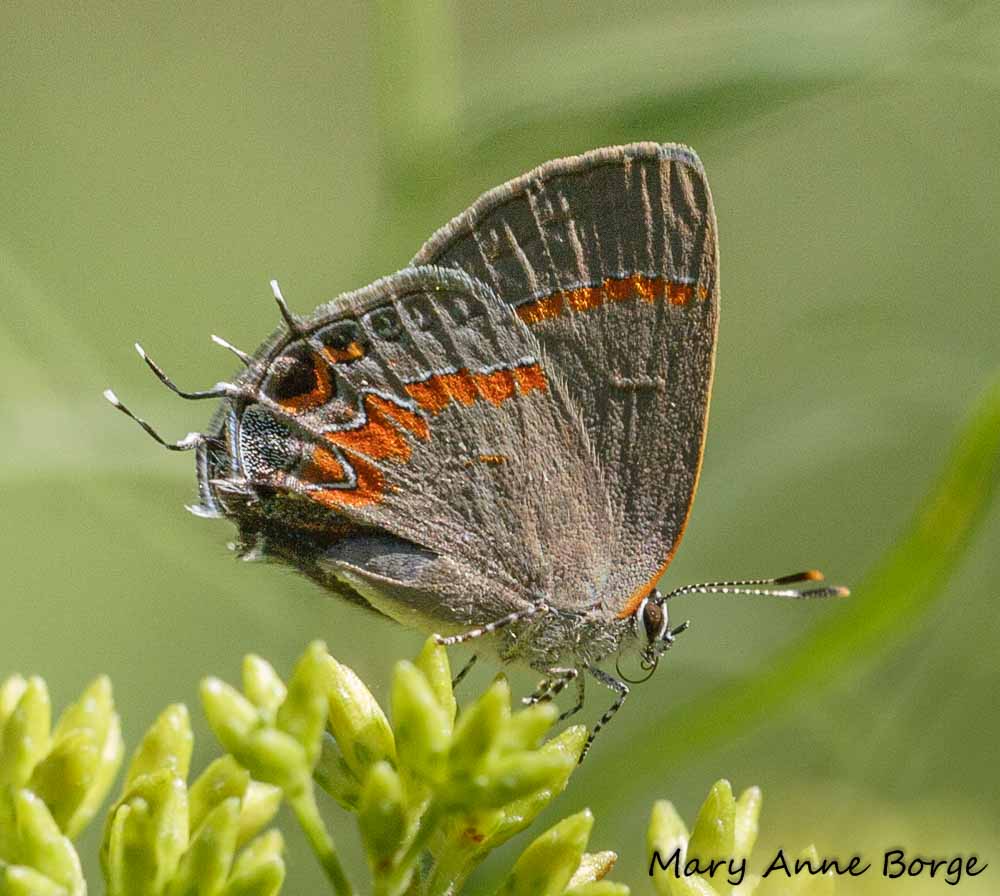
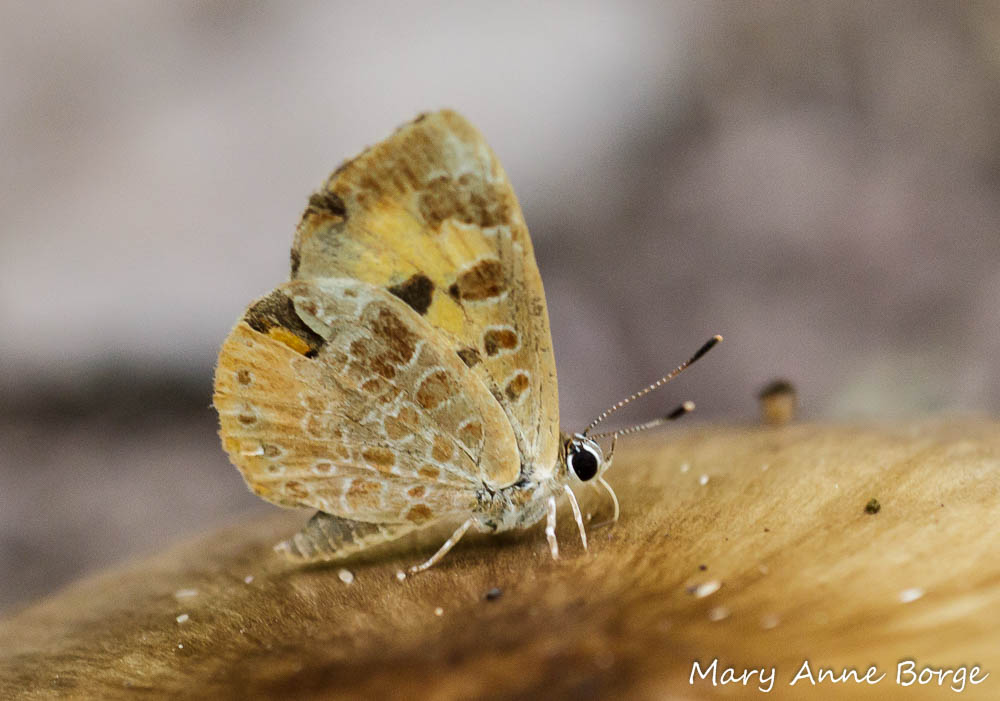
According to Bringing Nature Home by Douglas Tallamy, American Beech provides food for the caterpillars of over 100 species of butterflies and moths.  Among them is the Early Hairstreak butterfly, a rare species found in deciduous or mixed woodlands from the maritime provinces of Canada to northern Michigan and Wisconsin through the Appalachians to Tennessee and North Carolina.  Early Hairstreak caterpillars can only eat the leaves of American Beech and Beaked Hazelnut (Corylus cornuta).  The presence of caterpillars attracts predatory insects and arachnids to feed on them, including many species of spiders, wasps, ants and flies.  These insects are beneficial to the trees, because they help keep the caterpillar population in check.

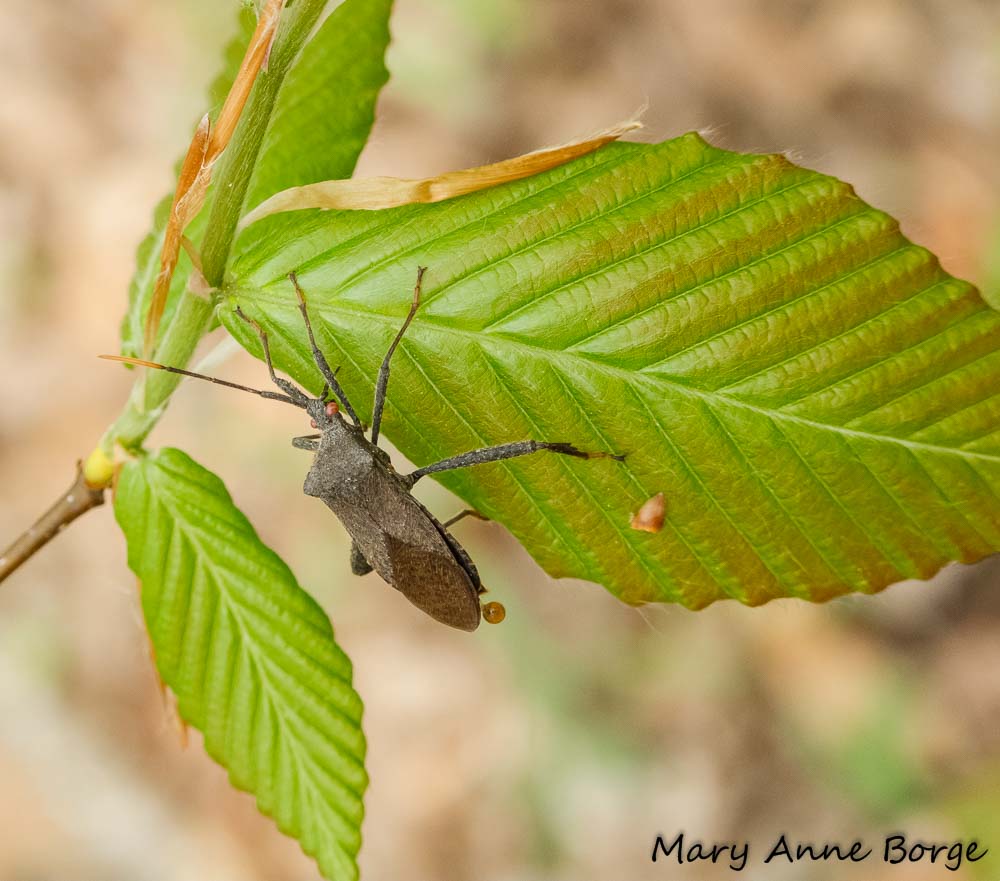
In addition to butterfly and moth caterpillars, a few of the insects that use American Beech include Leaf-footed Bugs,
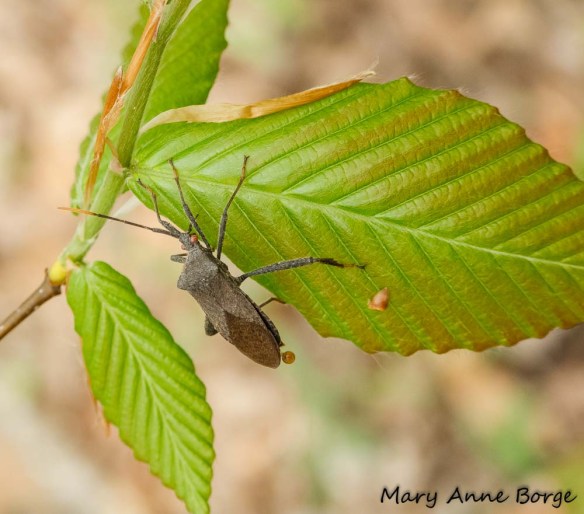
Leaf-footed Bug (Acanthocephala species) on American Beech (Fagus grandifolia)

Leaf-footed Bug (Acanthocephala species) on American Beech (Fagus grandifolia)

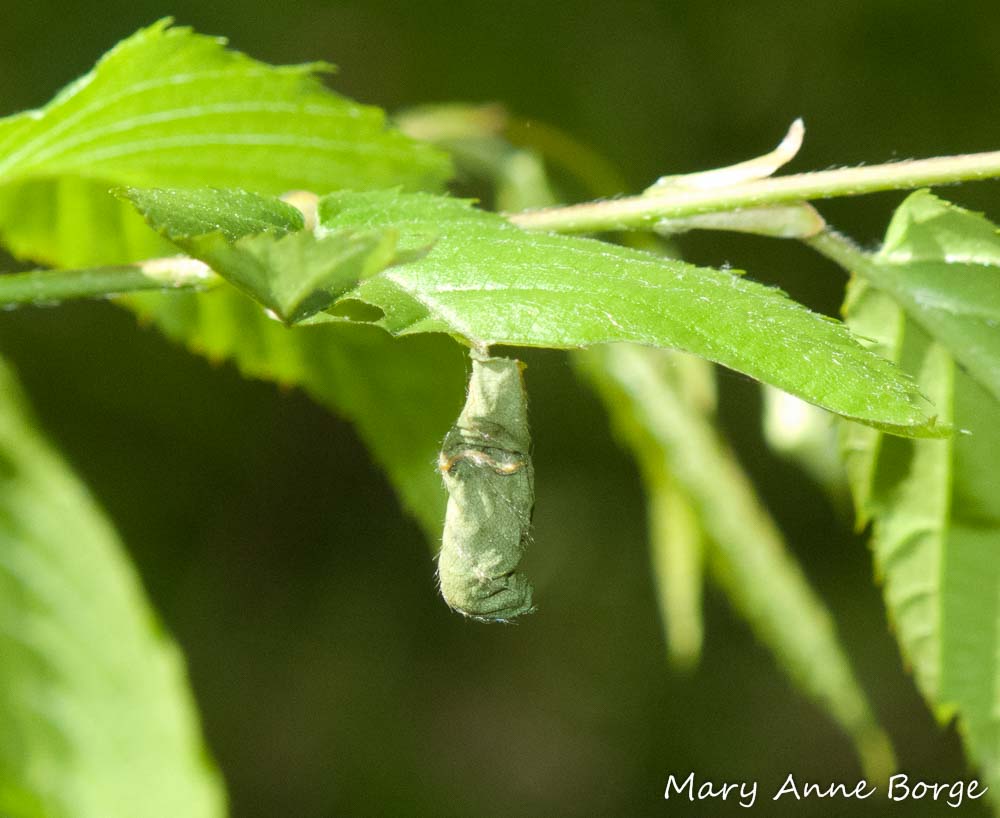
leaf-rollers,
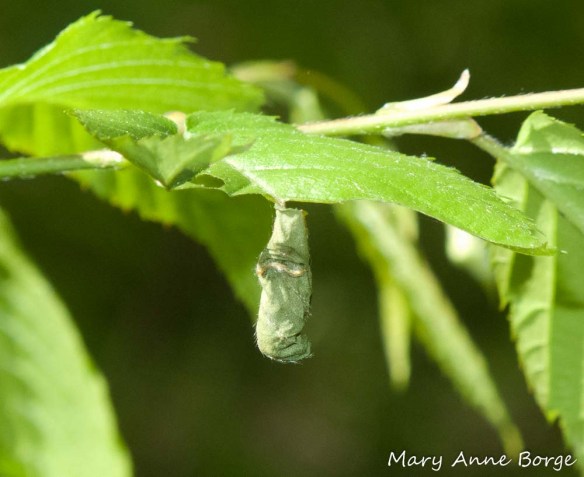
Insect shelter, likely leaf-rolling weevil nest

Insect shelter, likely leaf-rolling weevil nest

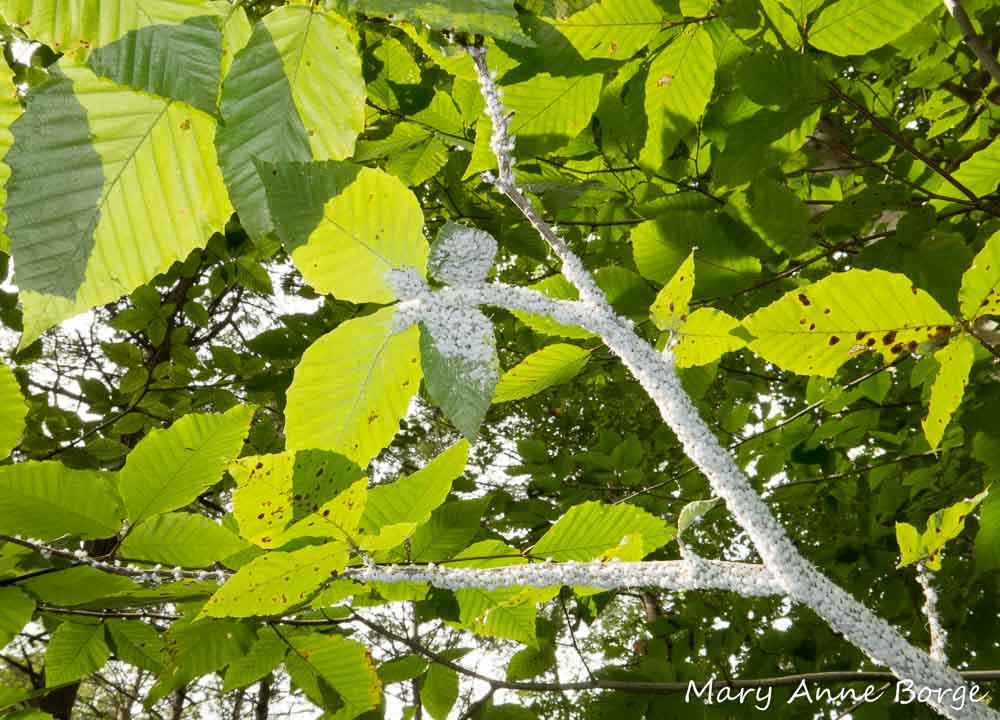
and Woolly Beech Aphids.
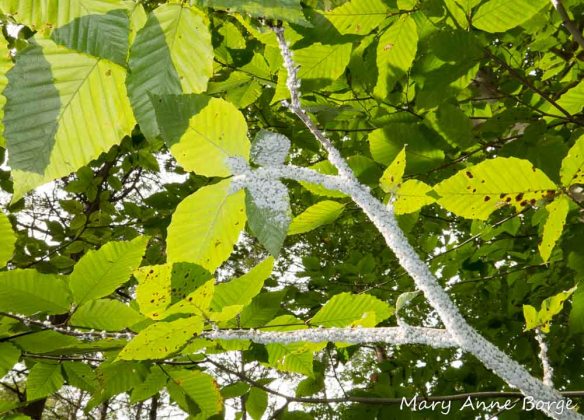
Woolly Beech Aphids (Phyllaphis fagi)

Woolly Beech Aphids (Phyllaphis fagi)

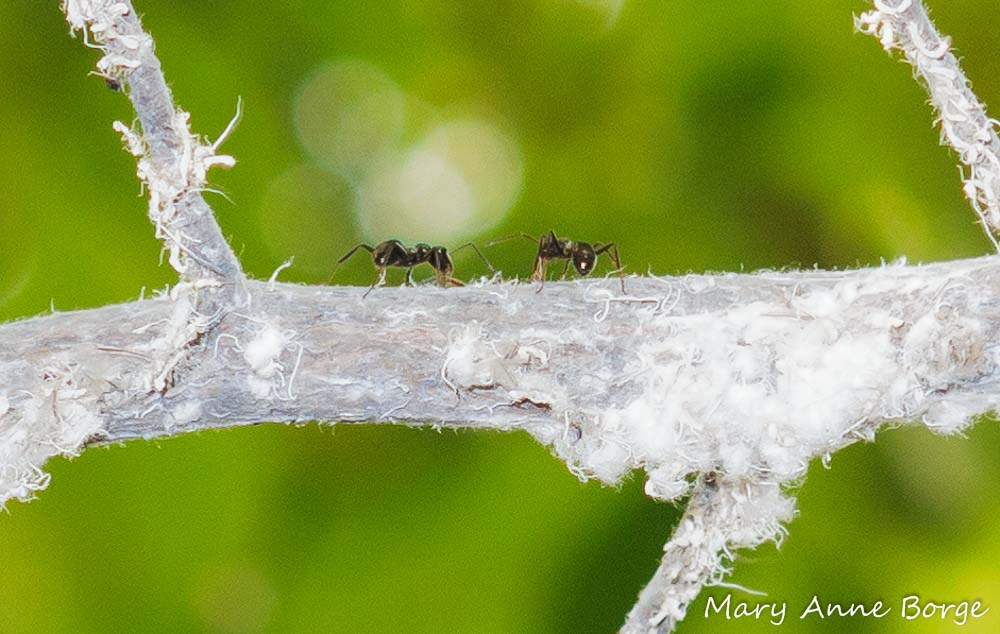
The Woolly Beech Aphids’ honeydew in turn attracts other insects who eat it, including wasps and ants.
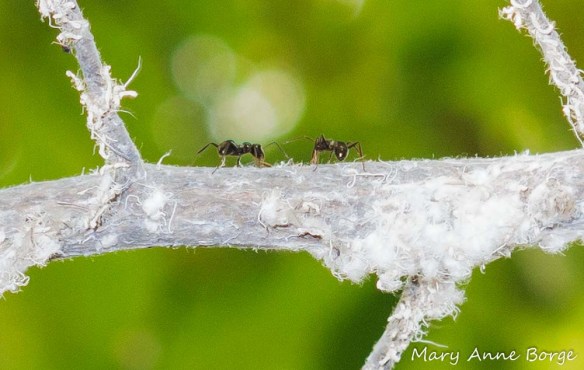
Ants harvesting Woolly Beech Aphid Honeydew

Ants harvesting Woolly Beech Aphid Honeydew

Ants help protect the tree from the insects that feed on its leaves, by aggressively attacking them.

The Harvester butterfly also feeds on the Woolly Beech Aphid’s honeydew, although its first choice is Wooly Alder aphids.  The Harvester’s caterpillars eat the aphids themselves.
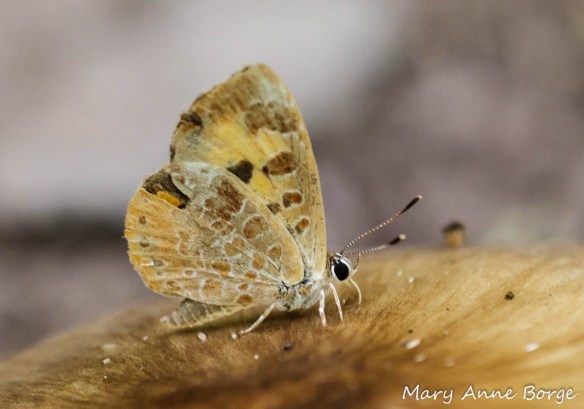
Harvester Butterfly

Harvester Butterfly

A non-native scale insect (cryptococcus fagisuga) introduced through the nursery trade on European Beech threatens the health of American Beech by providing an opening in the bark that together with a fungus enables beech bark disease.  This is a good example of the importance of using native plants in your own garden, and the danger of using introduced exotic plants.

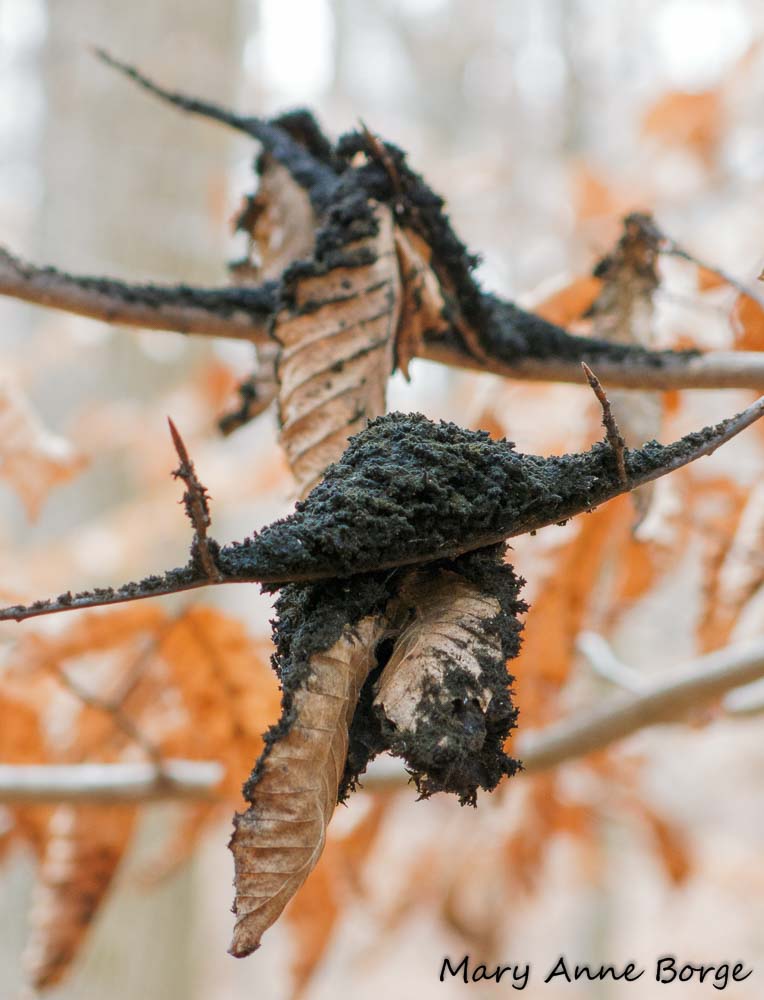
There is a fungus species that grows exclusively on the Woolly Beech Aphid’s honeydew, a sooty mold descriptively named Beech Aphid Poop-eater (Scorias spongiosa).  Some studies have shown that leaves covered in sooty molds are more effective at removing pollution from the air than other leaves are.
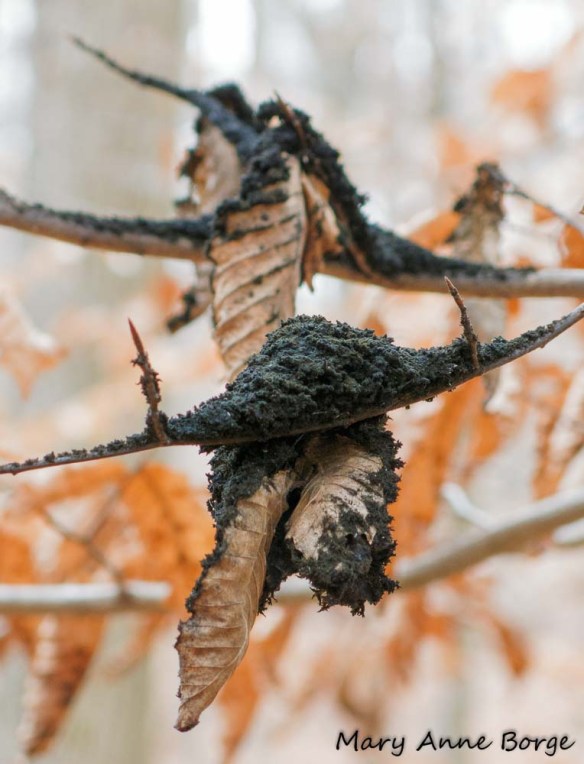
Beech Aphid Poop-eater (Scorias spongiosa)

Beech Aphid Poop-eater (Scorias spongiosa)

Oyster (Pleurotus ostreatus) and Burnt-Orange Bolete (Tylopilus ballouii) mushrooms, both edible, are among the other fungi that may be found on or near American Beech.

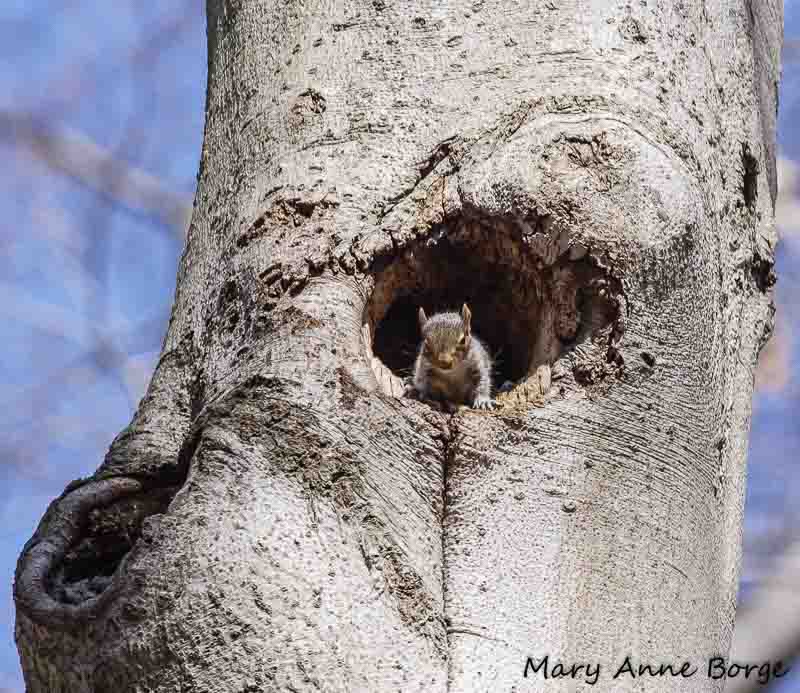
American Beech develops natural cavities that provide nesting sites for cavity nesting birds like Titmice, Chickadees, Woodpeckers and Nuthatches, all of whom rely on insects for a large part of their diet, and will help protect the tree from insect leaf-eaters.  Chipmunks, squirrels, porcupines and other mammals also take advantage of the natural shelter American Beech offers.
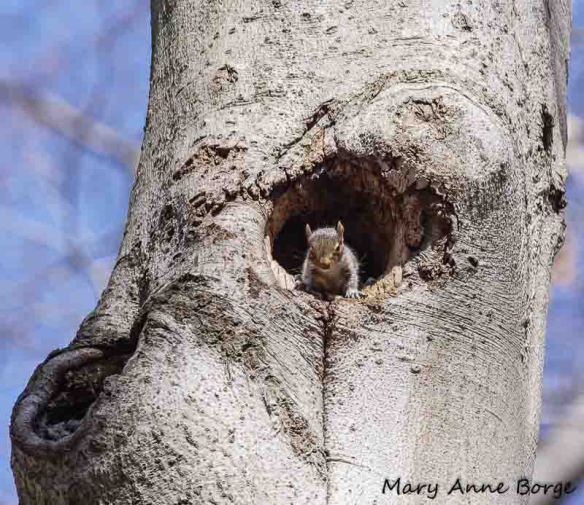
Gray Squirrel in cavity of American Beech

Gray Squirrel in cavity of American Beech

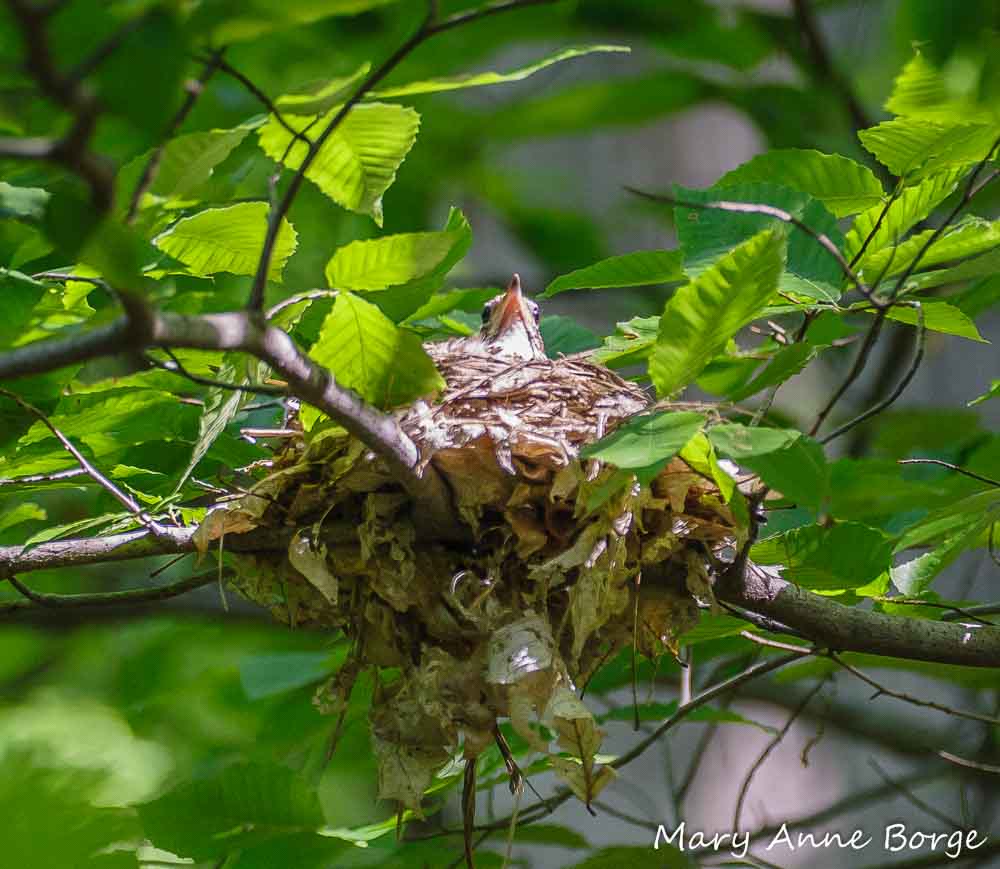
Other birds, like the Wood Thrush below, may nest on the limbs of American Beech, using some of the previous year’s fallen leaves as nesting material.
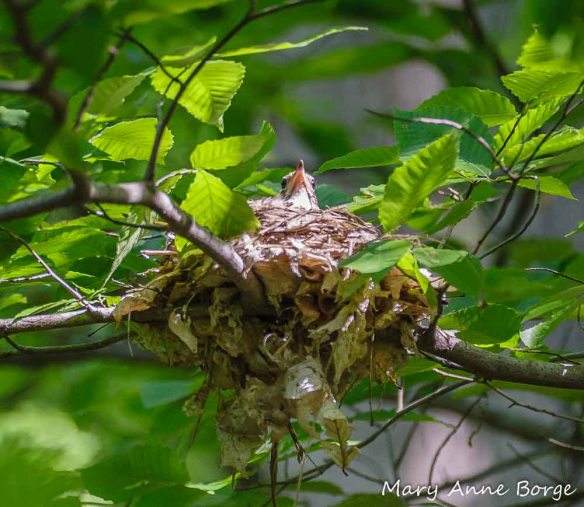
Wood Thrush on her nest in an American Beech. Some old Beech leaves have been used as nest material.

Wood Thrush on her nest in an American Beech. Some old Beech leaves have been used as nest material.

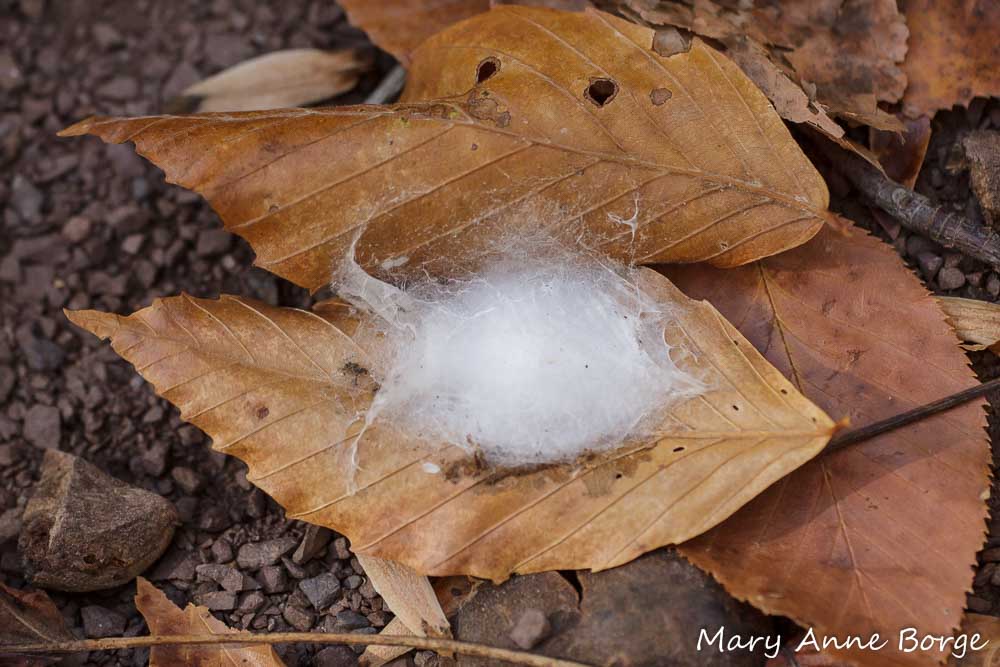
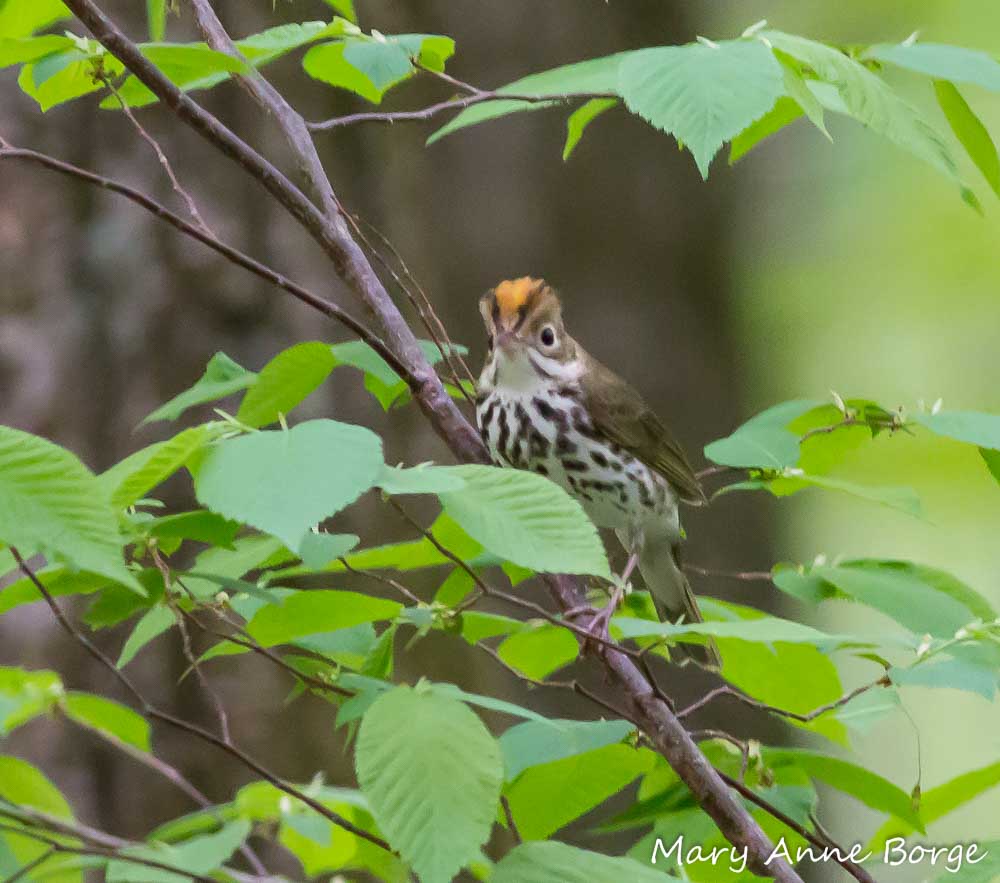
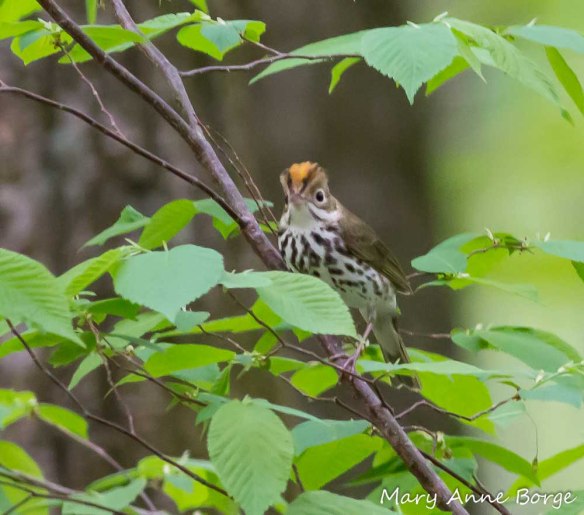
American Beech’s fallen leaves may offer insect protein for ground-feeders like the Ovenbird.
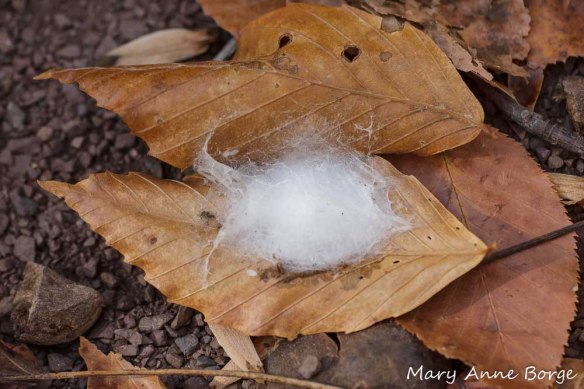
Insect nest on fallen American Beech leaf
Insect nest on fallen American Beech leaf

Ovenbird in American Beech

Ovenbird in American Beech

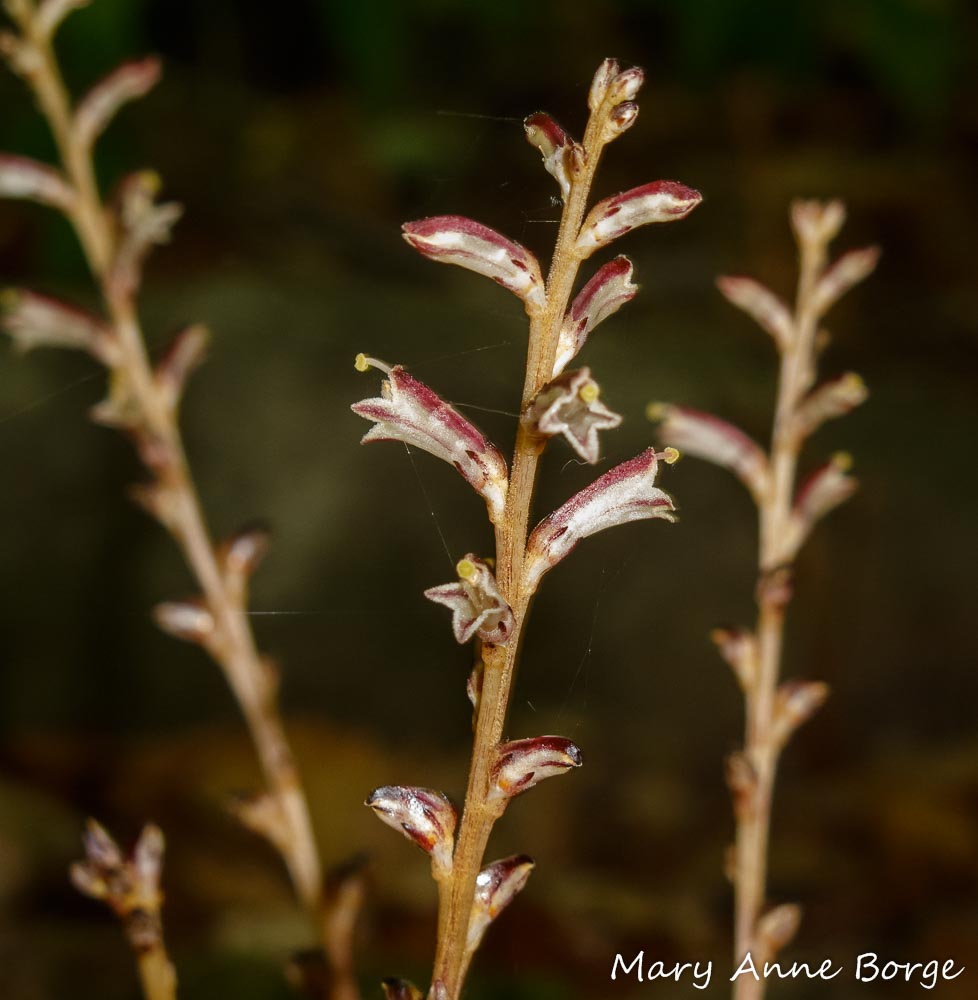
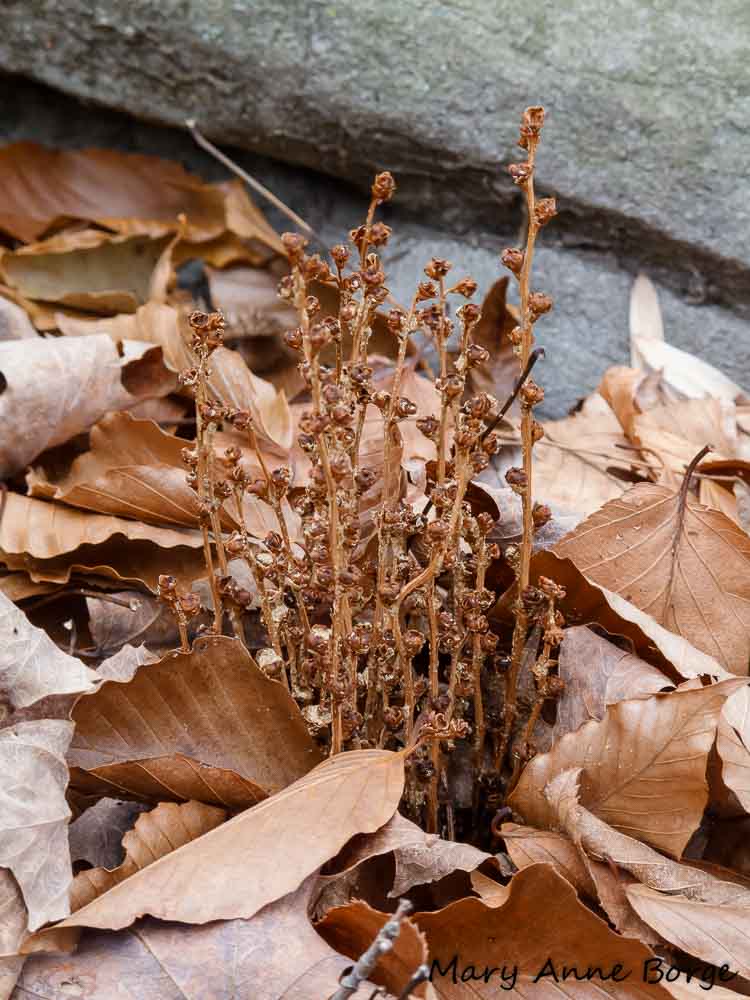
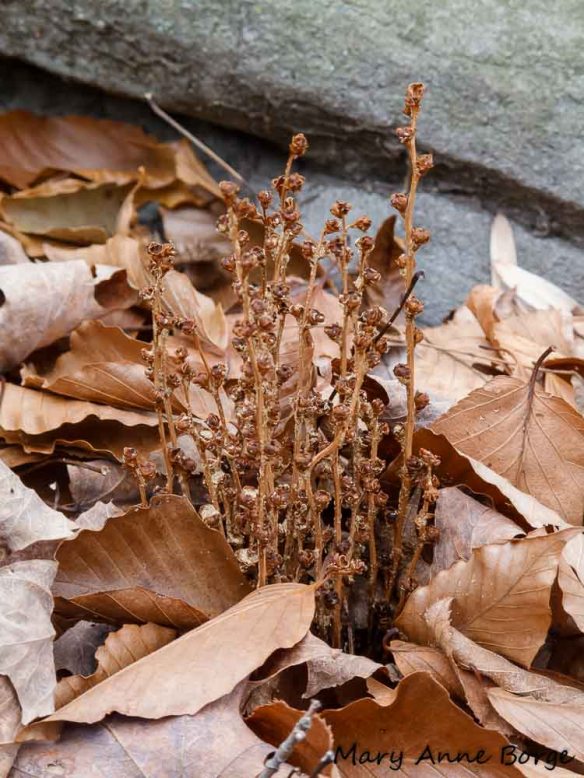
Beechdrops (Epifagus virginiana) depends on American Beech for its survival, since it gets its food from the tree’s roots.  Look for the flowers in late summer or early fall, and the brown seed capsules throughout the winter.
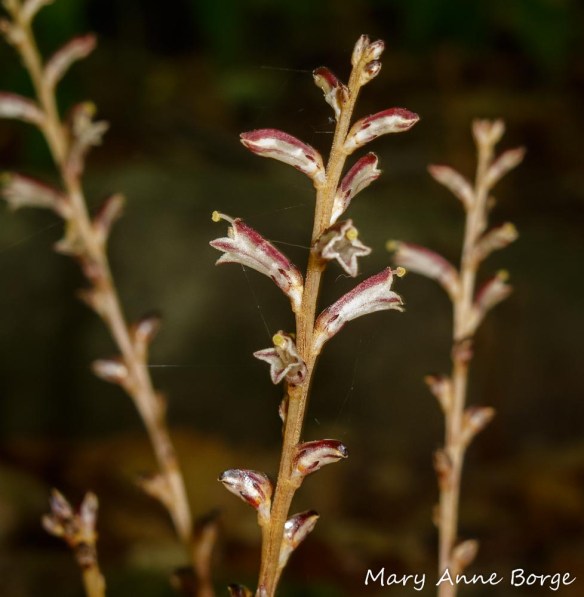
Beechdrops (Epifagus virginiana) flowers
Beechdrops (Epifagus virginiana) flowers

Beechdrops (Epifagus virginiana) in winter

Beechdrops (Epifagus virginiana) in winter

American Beech flowers are wind pollinated, with separate male and female flowers both on the same plant.  They bloom as the leaves are opening.
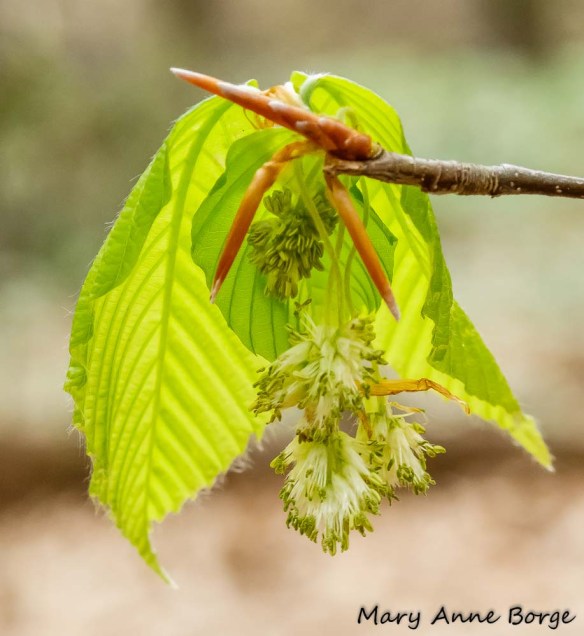
Male flowers of American Beech (Fagus grandifolia)

Male flowers of American Beech (Fagus grandifolia)

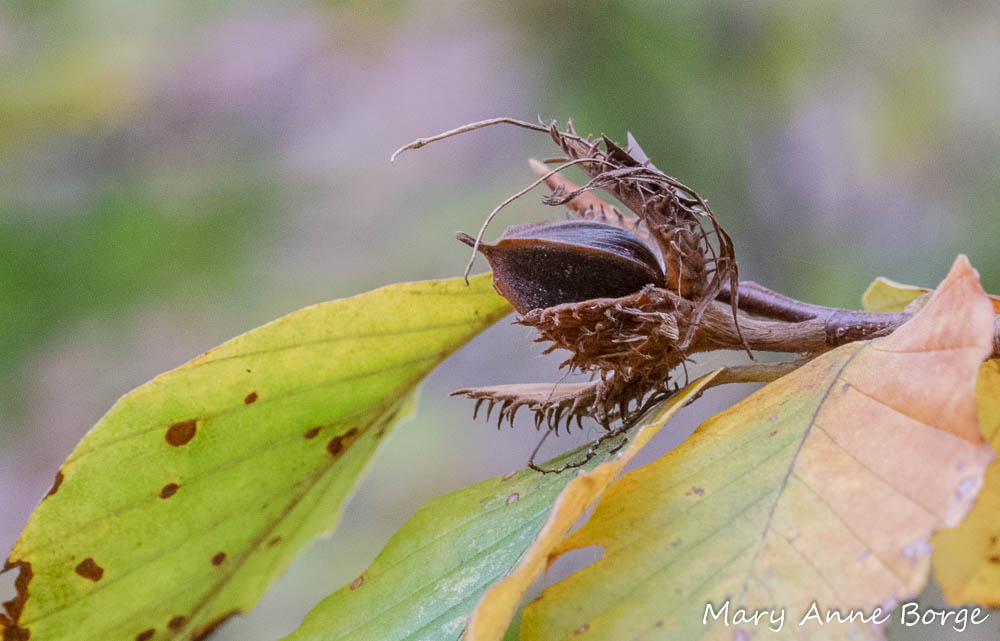
Nuts are produced if the flowers are successfully pollinated, usually 2 or 3 three-sided nuts per husk.
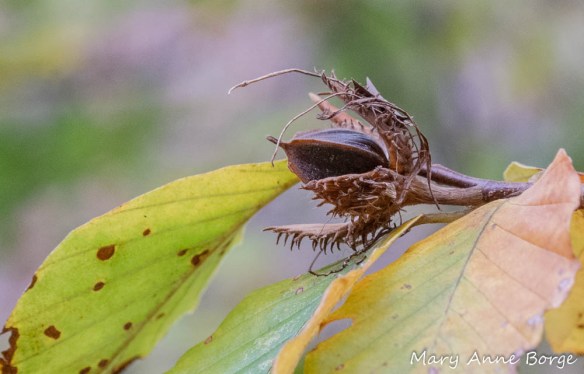
American Beech (Fagus grandifolia) nuts

American Beech (Fagus grandifolia) nuts

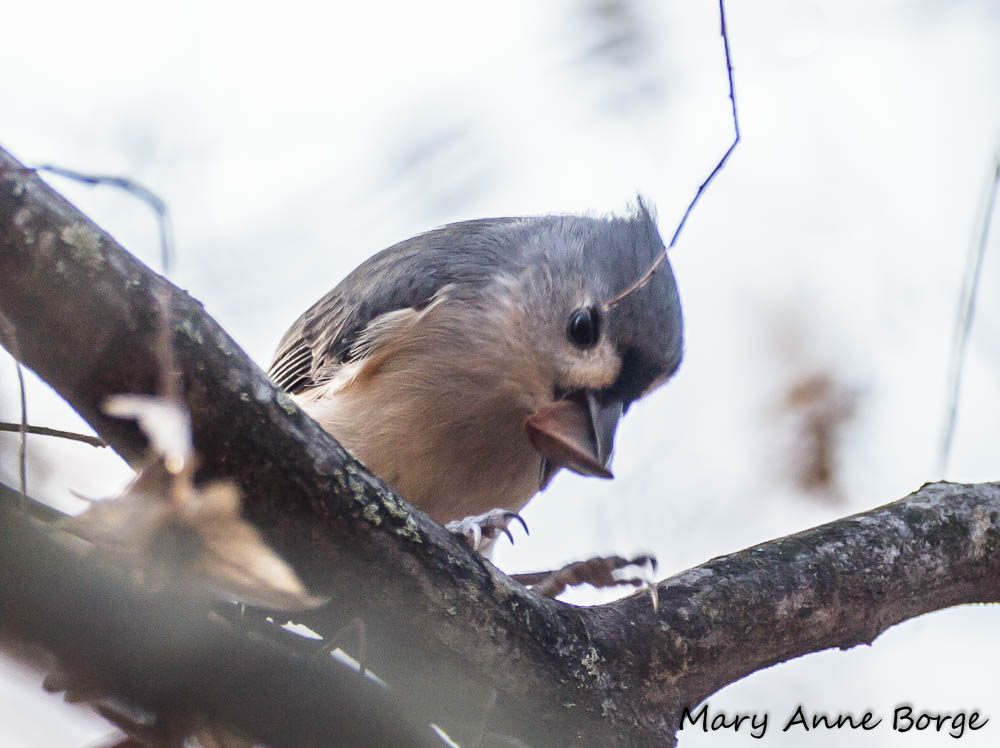
The nuts are a source of high protein and fat for mammals and birds, including red, gray and flying squirrels, chipmunks, bears, Blue Jays, Tufted Titmice, Wild Turkey, and Ruffed and Spruce Grouse.
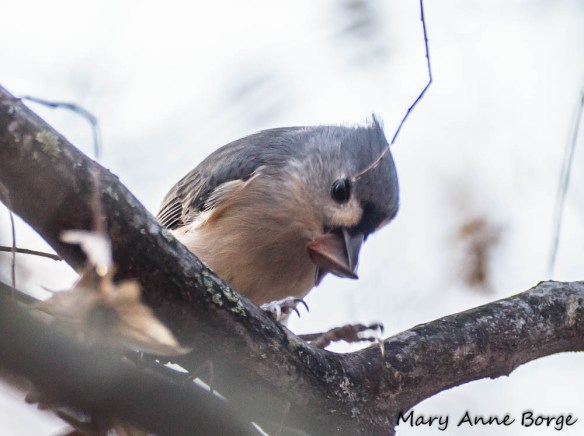
Tufted Titmouse eating American Beech nut

Tufted Titmouse eating American Beech nut

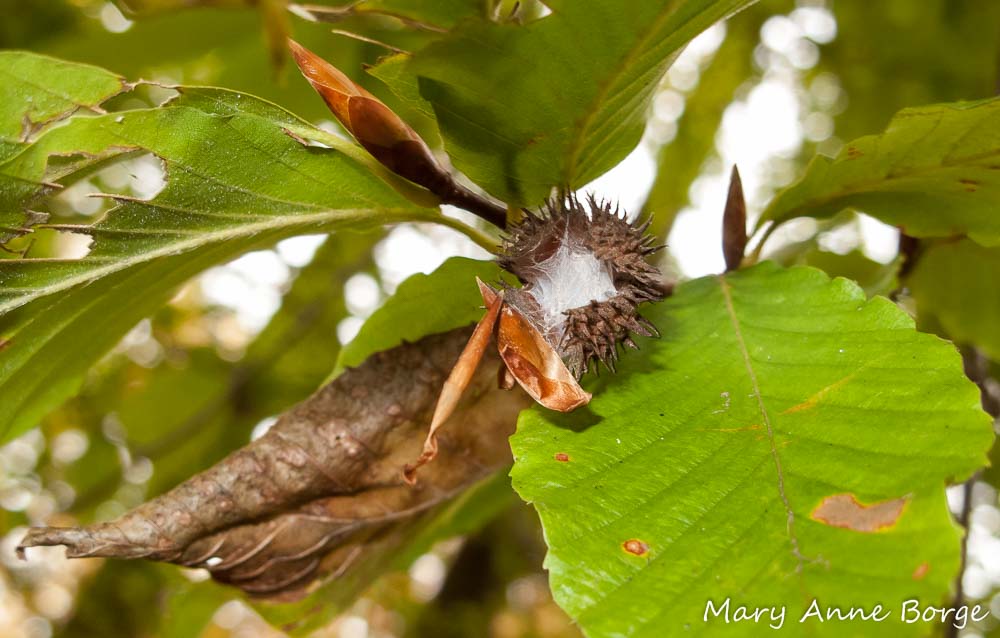
Nothing goes to waste in nature, so an empty beechnut husk may be reused as a shelter by an insect.
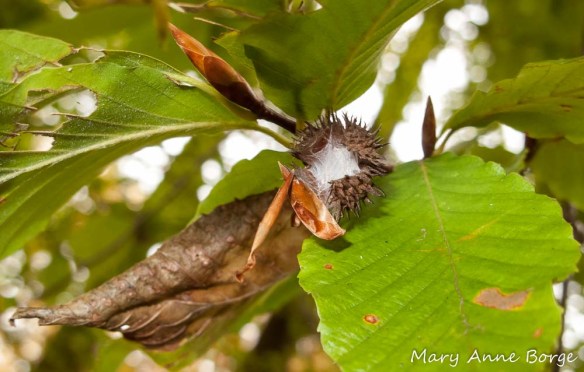
Insect nest in husk of American Beech

Insect nest in husk of American Beech

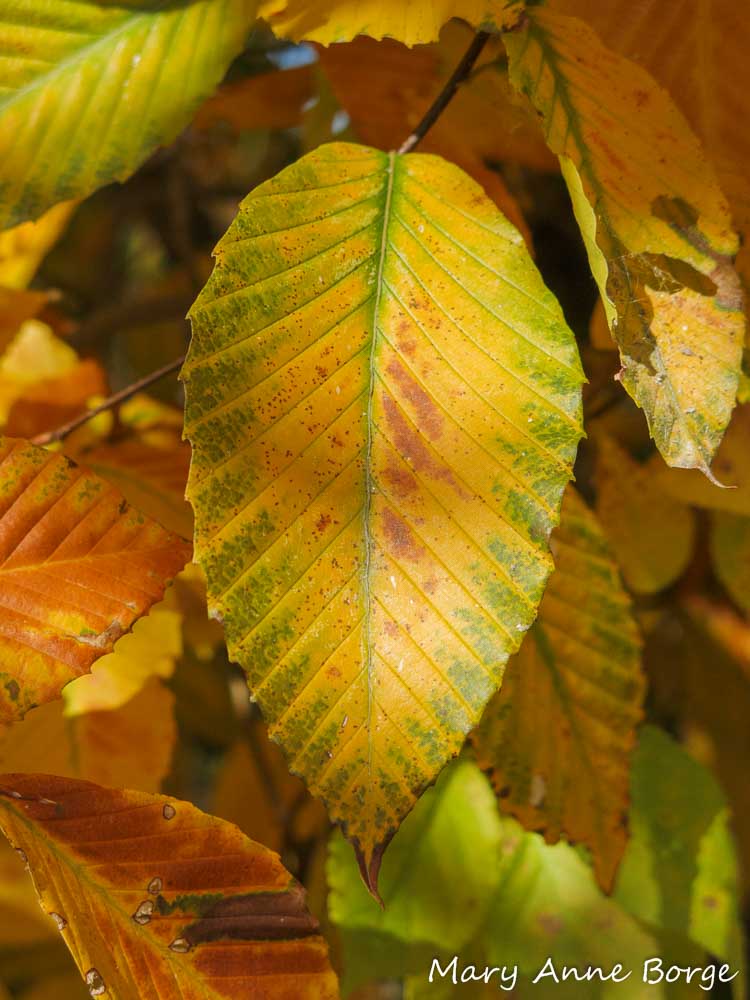
As the nights get longer and the temperatures drop in the fall, the American Beech begins to prepare for winter.  The leaves gradually stop producing chlorophyll, which reduces the green color visible in the leaves, revealing the yellows and oranges of carotenes, and the brown tannins, .
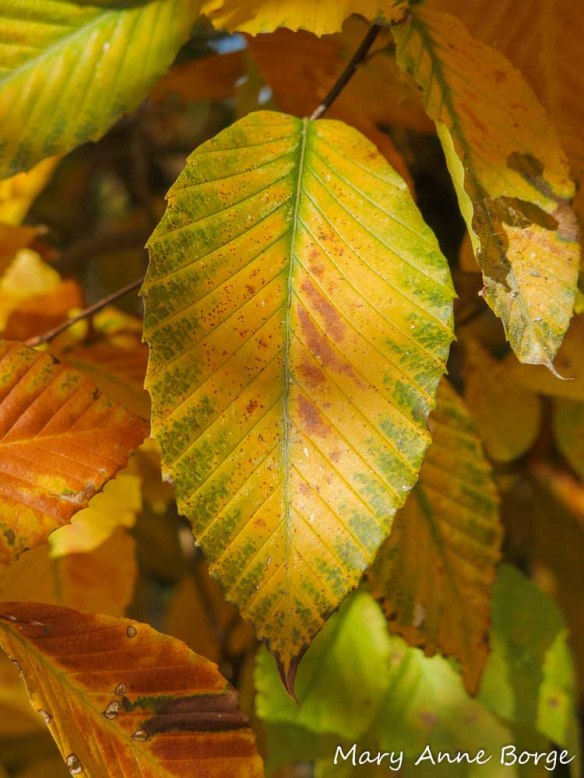
American Beech (Fagus grandifolia) leaf in fall

American Beech (Fagus grandifolia) leaf in fall

American Beech is native in moist woodlands in the eastern United States and Canada.  The bounty of insects supported along with its nutritious nuts makes it one of our most valuable tree species for wildlife.
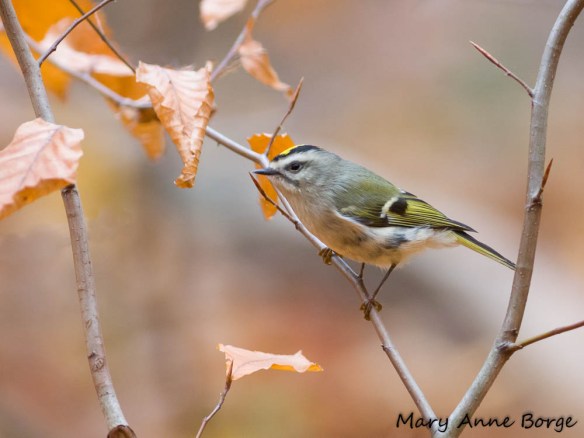
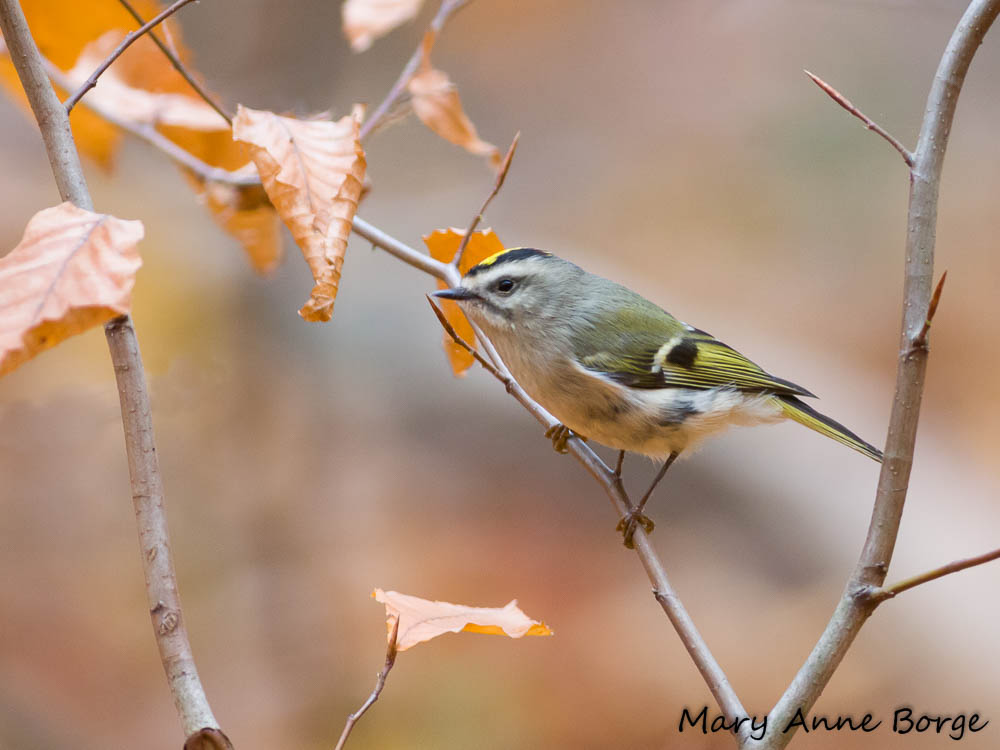
Golden-crowned Kinglet in American Beech

Golden-crowned Kinglet in American Beech


Resources 

Cech, Rick; Tudor, Guy.  Butterflies of the East Coast.  2005.

Eastman, John.  The Book of Forest and Thicket.  1992.

Eaton, Eric R.; Kauffman, Ken.  Kaufman Field Guide to Insects of North America.  2007.

Lincoff, Gary H.  National Audubon Society Field Guide to North American Mushrooms. 1981

Rhoads, Ann Fowler; Block, Timothy A.  The Plants of Pennsylvania.  2007

Tallamy, Douglas W.  Bringing Nature Home, 2007,

Wojtech, Michael.  Bark A Field Guide to Trees of the Northeast.  2011.

USDA NRCS Plants Database

Tom Volk’s Fungi

iNaturalist.org
http://www.inaturalist.org/taxa/144013-Scorias-spongiosa

Butterflies and Moths of North America http://www.butterfliesandmoths.org/species/Erora-laeta

Illinois Wildflowers
http://www.illinoiswildflowers.info/trees/plants/am_beech.htm

Penn State Extension Natural Resources
http://extension.psu.edu/natural-resources/forests/news/2012/winter-leaves-that-hang-on

Northern Woodlands
http://northernwoodlands.org/articles/article/why-do-some-leaves-persist-on-beech-and-oak-trees-well-into-winter

Invasive.org
http://www.invasive.org/browse/subinfo.cfm?sub=300
 

Happy Holidays!

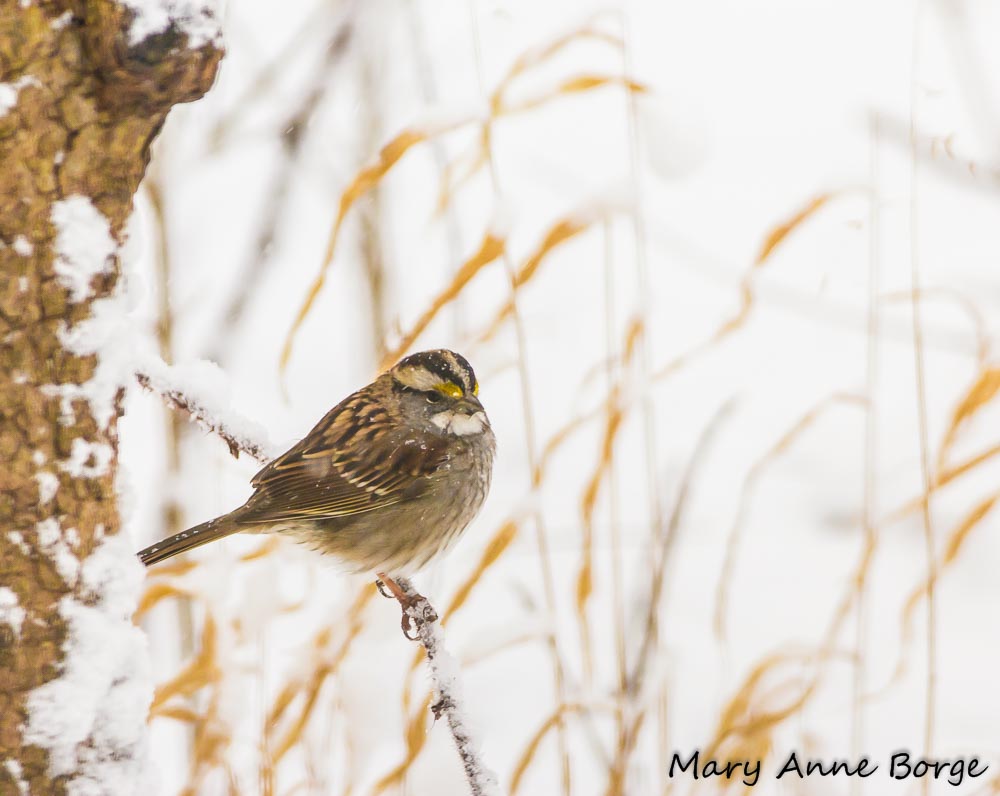
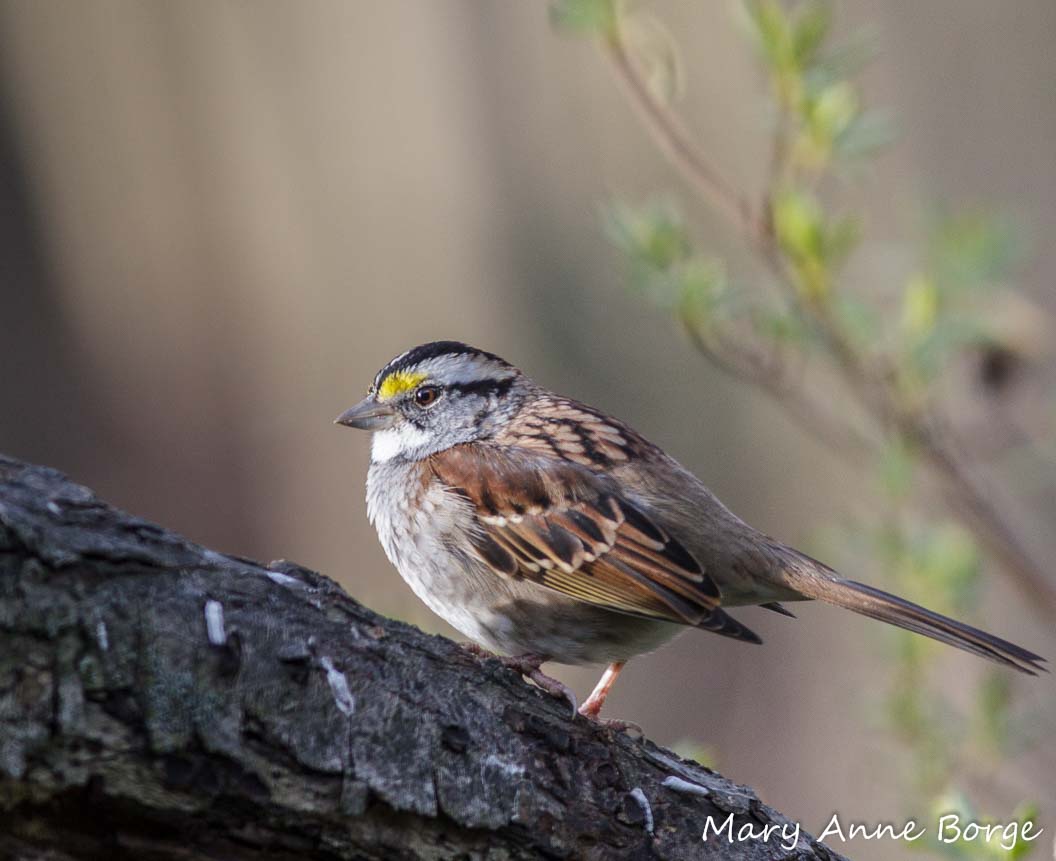
White-throated Sparrow with River Oats (Chasmanthium latifolium) in background

White-throated Sparrow with River Oats (Chasmanthium latifolium) in background

Wishing you the wonder and delight of nature this holiday season!

Maple-leaf Viburnum

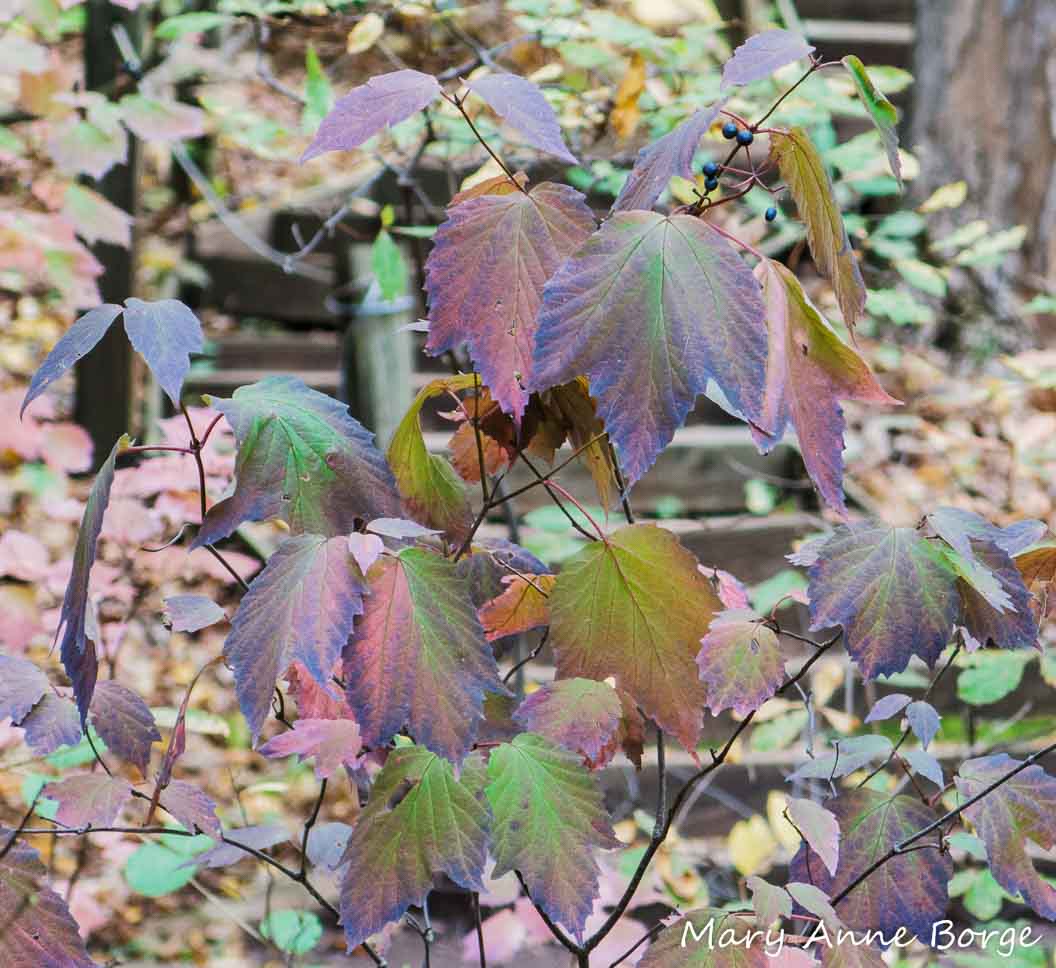
Maple-leaf (or Maple-leaved) Viburnum (Vibernum acerifolium) is spectacular this fall, with colors ranging from pale pink to deep magenta,

Maple-leaf Viburnum (Vibernum acerifolium)

Maple-leaf Viburnum (Vibernum acerifolium)

often with washes of blue and purple.

Maple-leaf Viburnum (Vibernum acerifolium)

Maple-leaf Viburnum (Vibernum acerifolium)

The combination of decreasing hours of daylight, the increasing length of darkness, and cool nighttime temperatures is nature’s signal that it’s time to prepare for winter. Plants gradually stop producing chlorophyll, which is responsible for the green color visible in the leaves during the growing season. The absence of chlorophyll reveals the colors of other chemical compounds present, like the yellows of xanthophylls, oranges of carotenes, and browns of tannins.

Many days this fall have been warm and sunny.  Nights have been cool with temperatures often in the low to mid 40s (4 – 8°C).  These conditions enable deciduous trees and shrubs to continue to produce sugars in their leaves during the day.  Some of the sugars combine with minerals obtained from the soil to manufacture anthocyanins, the chemicals that cause the red, blue and purple colors in the leaves.  The decreasing number of daylight hours combined with the cool temperatures signal the plant to stop nutrients from moving into the trees’ circulatory system as the leaves prepare to detach from the plant.  These chemical compounds are trapped in the leaves, resulting in the colorful fall display.

Maple-Leaved Viburnum (Viburnum acerifolium) with fruit

Maple-Leaved Viburnum (Viburnum acerifolium) with fruit

Fleshy, dark blue, berry-like fruits called drupes accompany the colorful leaves. Each drupe contains a single seed enclosed by a stony casing or pit, like a peach.  For many birds and other animals, the fleshy fruit is an enticement to dine in the coming weeks.   Maple-leaf Viburnum and many other plants have evolved to produce such fruits in order to enlist animals as partners in dispersing their seeds.  The animal consumes the fruit, passing the seed through its digestive system, and depositing the seed accompanied by other nutrients.  White-throated Sparrows,

White-throated Sparrow

White-throated Sparrow

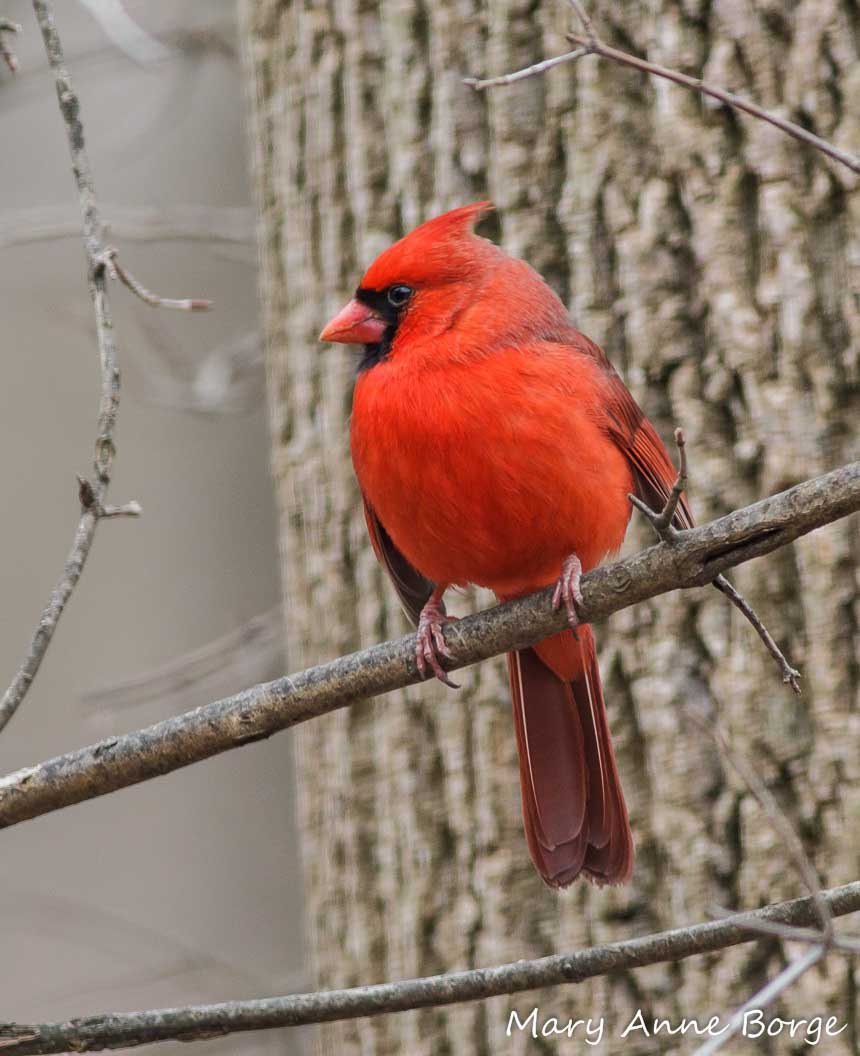
Cardinals,

Northern Cardinal

Northern Cardinal

and Hermit Thrush, as well as chipmunks and squirrels are among those who consume the fruits and disperse the seeds.

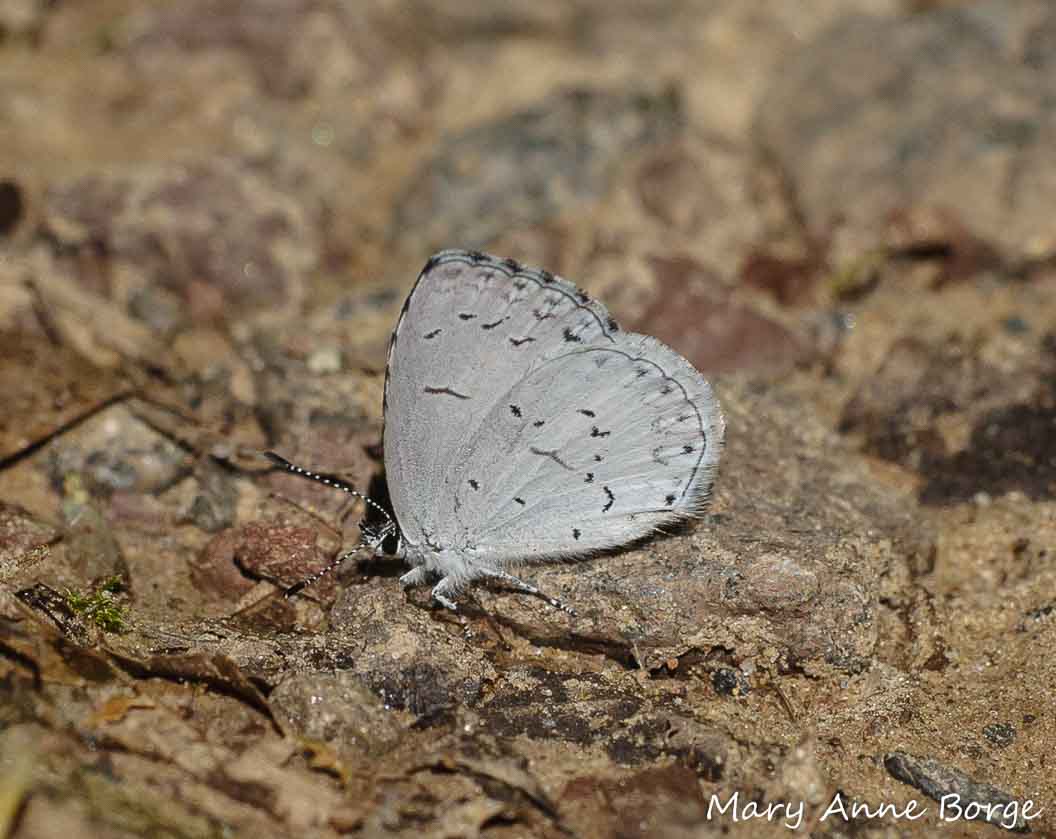
Spring or Summer Azure butterflies may lay eggs on the flower buds of this and many species of viburnums, dogwoods and other shrubs.

Summer Azure

Summer Azure

After hatching from the eggs, the butterfly’s caterpillars feed on the flower buds. That is, they do if they manage to avoid being eaten by a predator like a bird, a spider, or another insect.

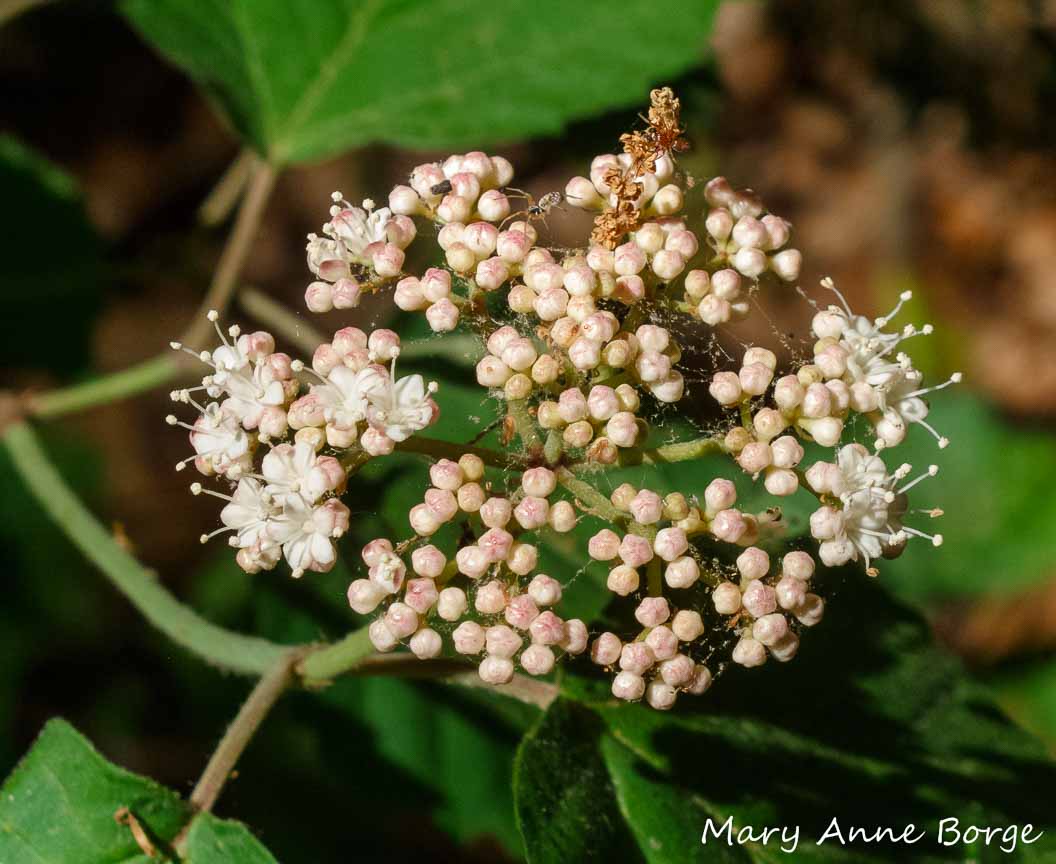
Maple-leaf Viburnum (Vibernum acerifolium) in bud. Can you spot the two spiders waiting patiently for an unsuspecting caterpillar or other victim?

Maple-leaf Viburnum (Vibernum acerifolium) in bud. Can you spot the two spiders waiting patiently for an unsuspecting caterpillar or other victim?

Plenty of flowers survive the feeding frenzy to provide a beautiful summer display. Several species of native bees, flies and other insects visit the flowers for nectar, providing essential pollination services that result in the fall fruits.

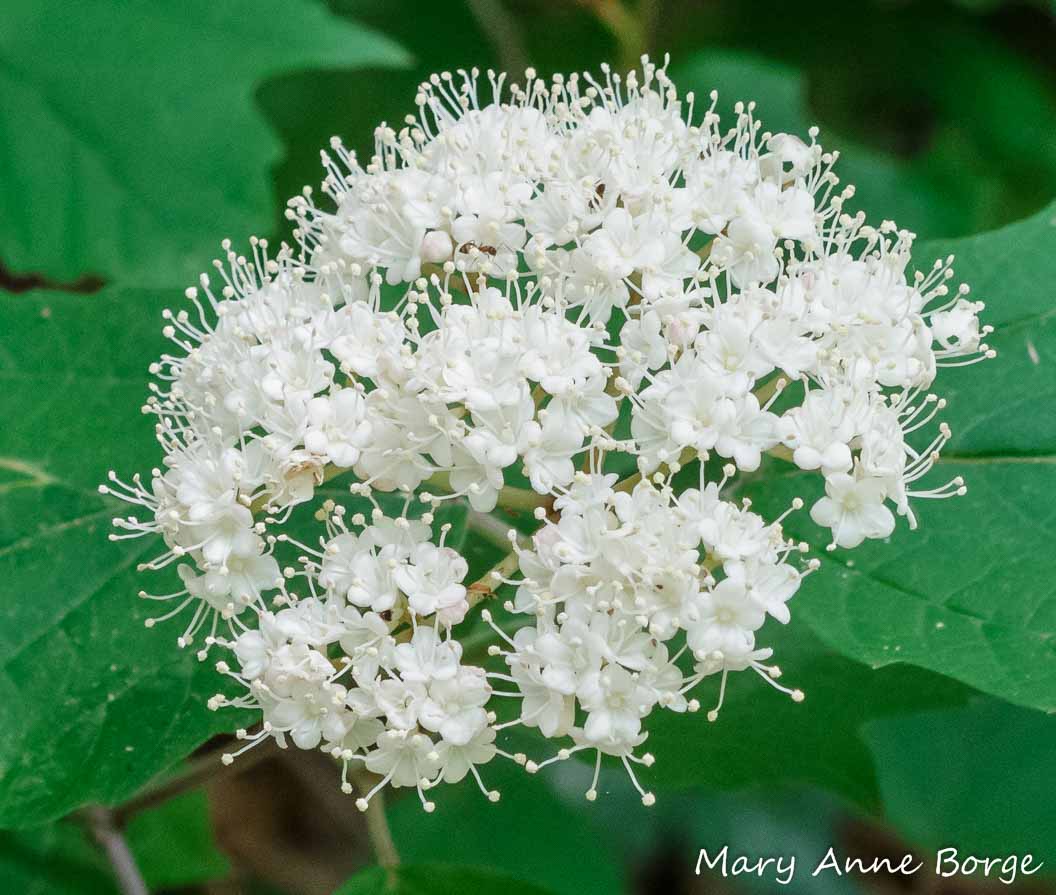
Maple-leaf Viburnum (Vibernum acerifolium) in flower. Look for the ants who are visiting the flowers for nectar. They would also be happy to find a caterpillar.

Maple-leaf Viburnum (Vibernum acerifolium) in flower. Look for the ants who are visiting the flowers for nectar. They would also be happy to find a caterpillar.

Maple-leaf Viburnum is a great alternative to the non-native, invasive Burning Bush (Euonymus alatus), which is often planted in formal landscapes for its fall foliage.  Maple-leaf Viburnum offers an equally attractive, and more nuanced display.  More importantly, it provides food and shelter for the insects, birds and other animals that share its territory.

Maple-leaf Viburnum (Vibernum acerifolium)

Maple-leaf Viburnum (Vibernum acerifolium)

Maple-leaf Viburnum is a woodland understory shrub native to the eastern United States, and Quebec and Ontario provinces. If you live within its natural range, go for a walk in the woods near you to see if you can spot it.  Then think about adding it to your own landscape to guarantee a view of this gorgeous shrub.

Maple-leaf Viburnum (Vibernum acerifolium)

Maple-leaf Viburnum (Vibernum acerifolium)

For more information on fall foliage colors, see Nutritious Fall Foliage: What Makes Fall Leaves So Colorful?

Resources

Capon, Brian. Botany for Gardeners.  2005

Cech, Rick; Tudor, Guy. Butterflies of the East Coast.  2005.

Glassberg, Jeffrey. Butterflies through Binoculars A Field Guide to Butterflies in the Boston-New York-Washington Region.  1993.

Illinois Wildflowers


Red-banded Hairstreaks Need Sumacs and Leaf Mulch

If you need any evidence to convince yourself of the nutritional value of leaf mulch, look to the Red-banded Hairstreak’s eating habits for confirmation. This small but showy butterfly, named for the wide slash of red across its wings, has a preference for leaf mulch as the food source for its caterpillars.

Red-banded Hairstreak nectaring on Short-toothed Mountain Mint

Red-banded Hairstreak nectaring on Short-toothed Mountain Mint

By leaf mulch I mean naturally fallen, decomposing leaves. It is often referred to as leaf litter or detritus, terms that sound like something we should clean up or remove.  Leaf mulch is such a valuable source of nutrients for both plants and animals, and such a good habitat for so many beneficial insects, that I’ve decide it needs a positive public relations campaign to make it socially acceptable to use naturally fallen leaves as a garden mulch.  So I’m calling it what it is – leaf mulch.  Join the movement!

Adult Red-banded Hairstreaks nectar on a variety of flowers, including Mountain Mints (Pycnanthemum species), Goldenrods (Solidago species), Green-headed (or Cutleaf) and other coneflowers (Rudbeckia laciniata, Rudbeckia species), and even the flowers of sumac (Rhus species) trees.

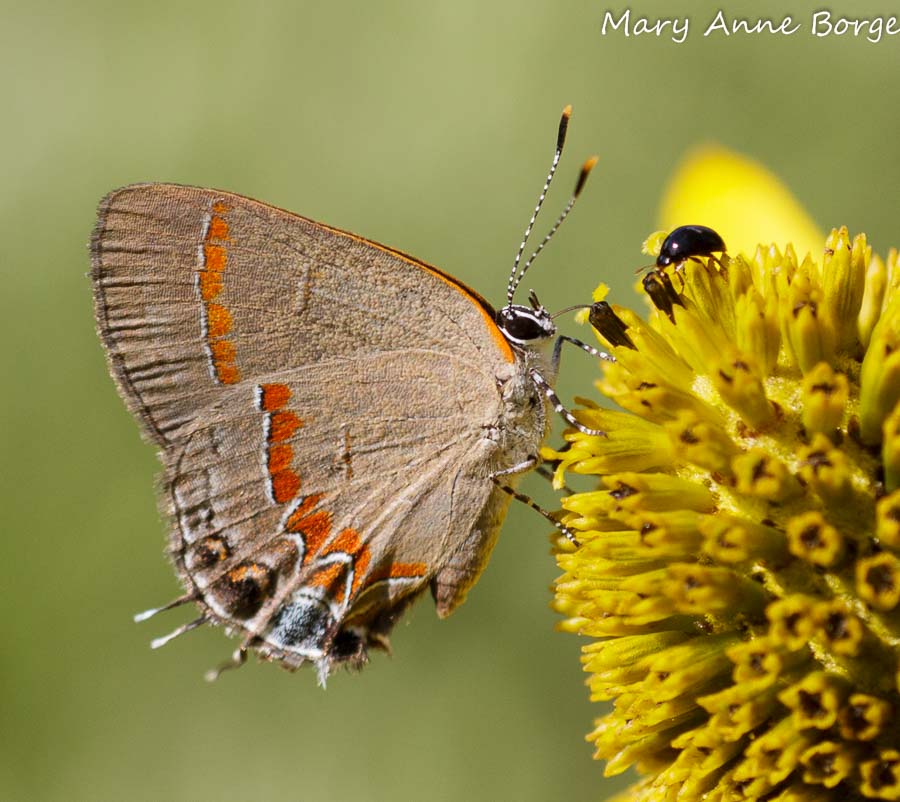
Red-banded Hairstreak and friend nectaring on Green-headed or Cutleaf Coneflower

Red-banded Hairstreak and friend nectaring on Green-headed or Cutleaf Coneflower

Red-banded Hairstreak caterpillars are reported to eat the fallen leaves of Wax Myrtle (Myrica cerifera) and other trees including oaks (Quercus species), but fallen sumac leaves are thought to be the favored hosts for this butterfly’s caterpillars.

When laying their eggs (ovipositing) female Red-banded Hairstreaks walk on the ground, usually depositing eggs on the underside of fallen leaves. After they hatch, the caterpillars feed on the leaves.  Red-banded Hairstreaks spend the winter as fourth instar caterpillars, likely in the shelter of this naturally fallen leaf mulch.

Winged Sumac (Rhus copallinum) is a favorite food source for Red-banded Hairstreak caterpillars.  It’s also a good choice as an ornamental shrub, because it has glossy deep green compound leaves with a ‘winged’ midrib that gives this species its name.

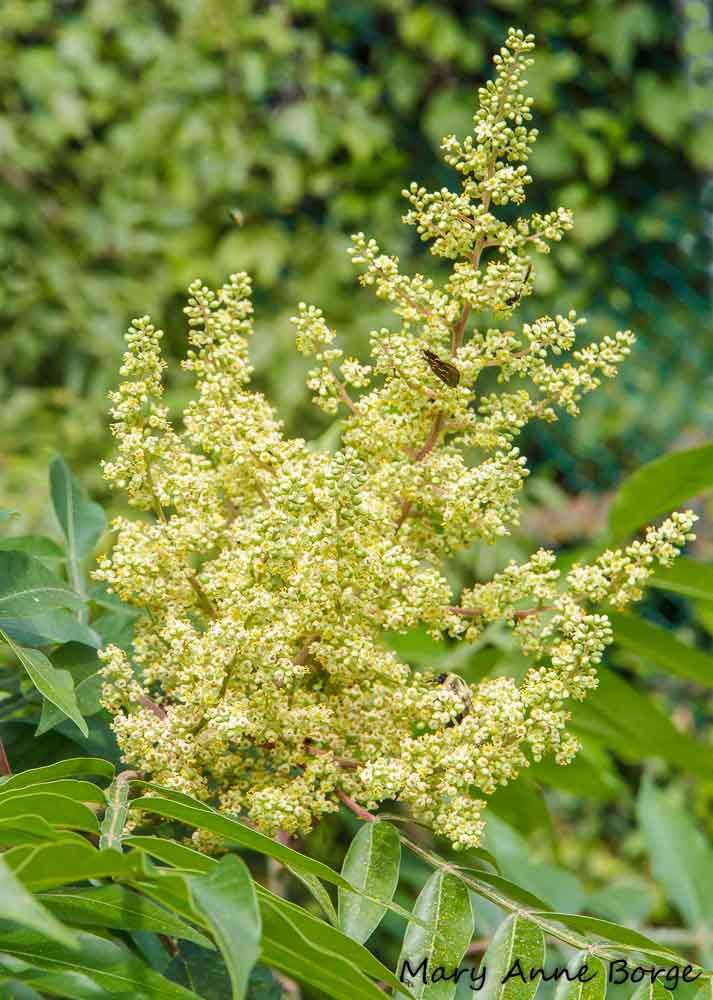
Winged Sumac flowers

Winged Sumac flowers

Its large pyramid-shaped clusters of yellowish flowers bloom in mid to late summer.  They are attractive to many insect pollinators, including butterflies.

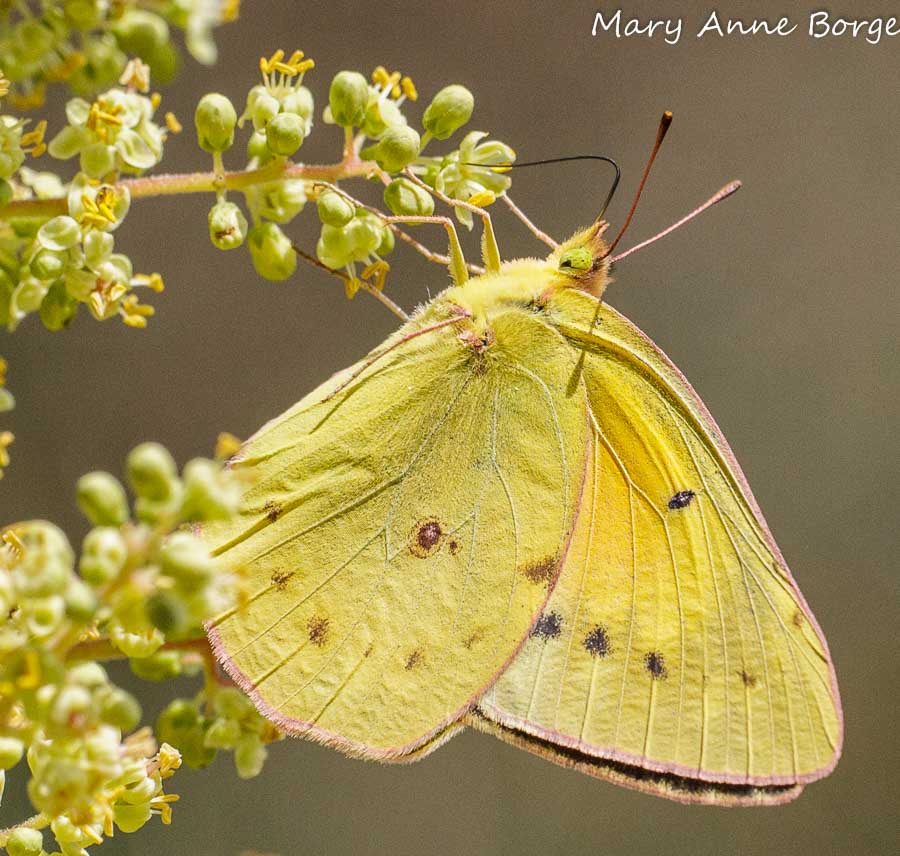
Orange Sulphur nectaring on Winged Sumac flowers

Orange Sulphur nectaring on Winged Sumac flowers

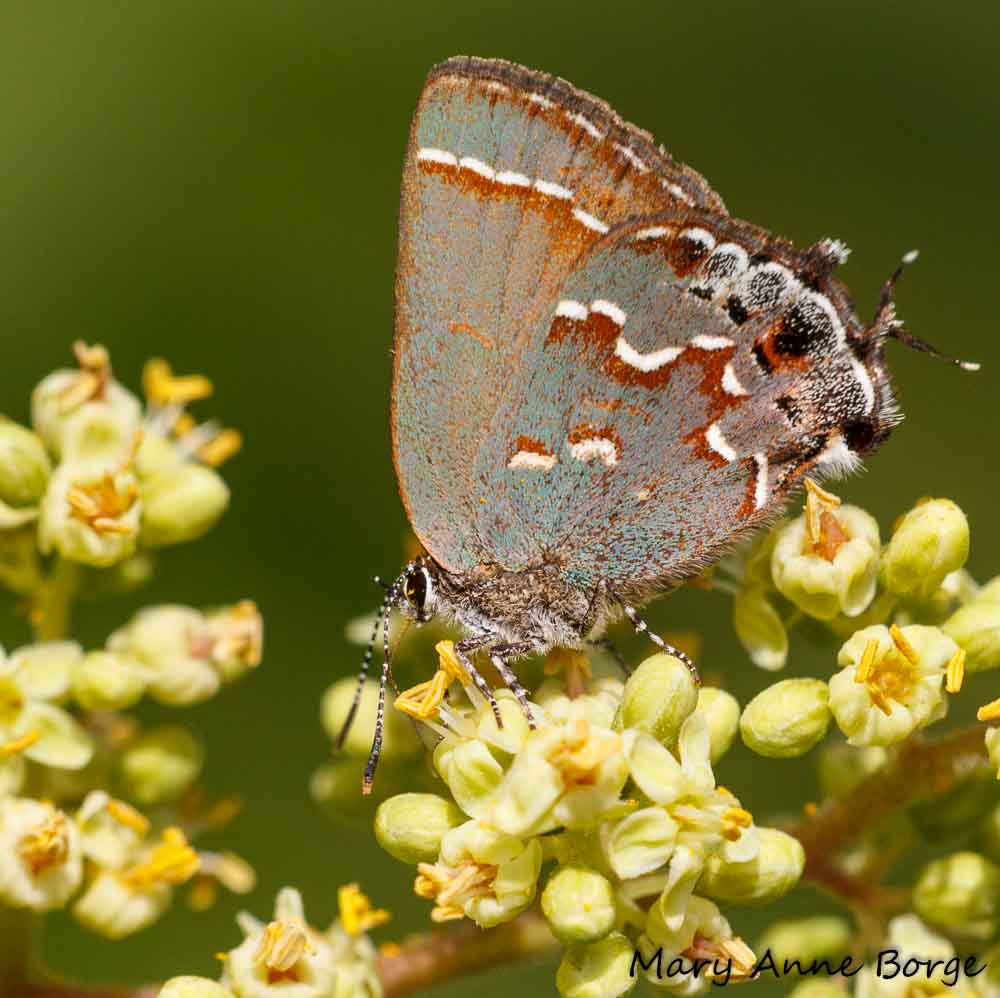
Juniper Hairstreak nectaring on Winged Sumac flowers

Juniper Hairstreak nectaring on Winged Sumac flowers

Successfully pollinated flowers yield bright red fruit that is complemented by dark red foliage in fall.  Winged Sumac grows to a maximum height of about 10 feet (3 meters), and prefers sunny locations.

Winged Sumac in fall

Winged Sumac in fall

Fragrant Sumac (Rhus aromatica) is another attractive shrub that grows to a height of about 8 feet (2.5 meters) with glossy blue-green three-parted leaves that are somewhat aromatic.  It blooms in spring before or concurrently with its leaves unfurling, has brightly colored fall foliage, and red fruit.  It can tolerate sun to part shade.

Fragrant Sumac in fall

Fragrant Sumac in fall

Staghorn Sumac is (Rhus typhina) taller, with a maximum height of about 25-33 feet (7.5-10 meters), beautiful fall color that begins to show in late summer, and bright red fruit clusters.  It has large clusters of yellowish flowers that generally bloom in June.

Staghorn Sumac in fall

Staghorn Sumac in fall

With sumacs, male and female flowers are usually, although not always, on separate plants, so to get fruit make sure you have a male as well as females. According to the USDA, several mammals and over 300 species of birds eat the fruit, although usually not until late in the winter, so you’ll be able to see their luscious bright red color for a long time.
Staghorn Sumac fruit

Staghorn Sumac fruit

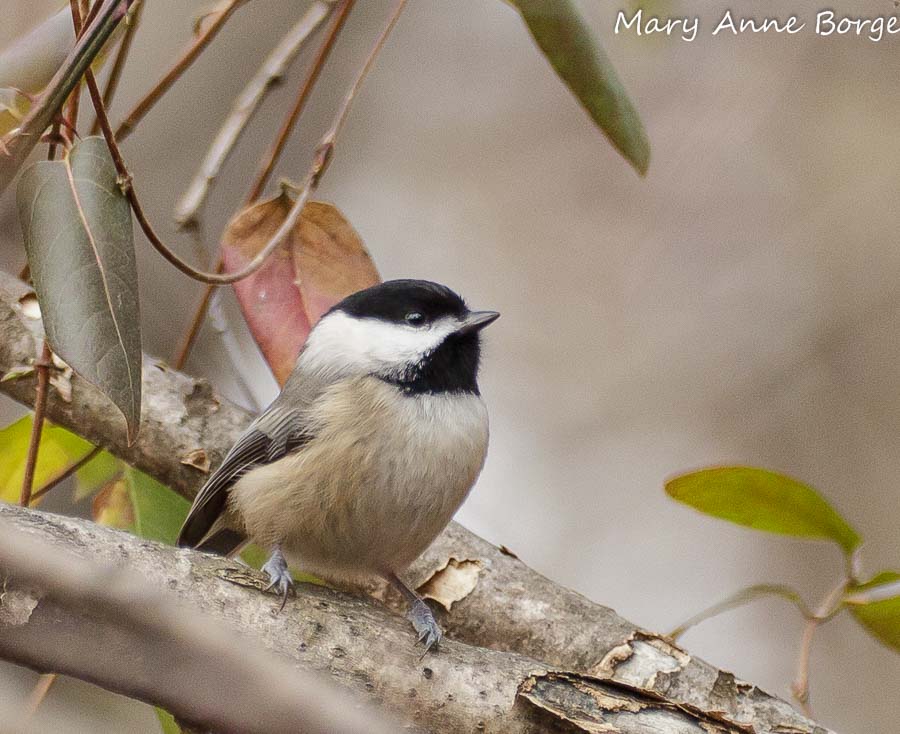
Among the birds I’ve seen eating the fruits are Chickadees, Downy and Pileated Woodpeckers.

Carolina Chickadee

Carolina Chickadee

When established, sumacs may also spread through their underground root system. If you are considering a plant screening or hedgerow, consider Winged Sumac.  It spreads quickly, and is quite lovely.

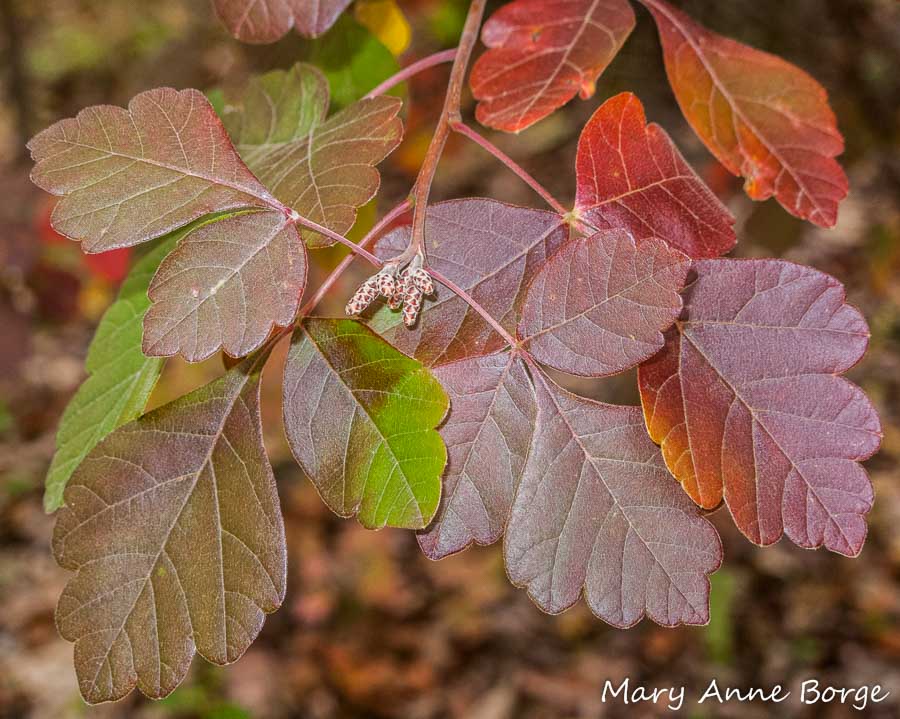
Are you thinking, “Sumacs? Won’t I get a rash from them?  Aren’t they poison?”  No!  Only the related species, Poison Sumac (Toxicodendron vernix), has the chemical composition to give you a rash.  Poison Sumac is actually more closely related to Poison Ivy (Toxicodendron radicans) than it is to the other sumacs.  Even these two ‘poison’ plants have wildlife value in the food offered by their flowers and fruits!  But they’re usually not recommended as garden plants.

Let’s get back to leaf mulch for a minute, because it’s the best fertilizer you can offer your plants. There may be more scenarios than those below, but let’s consider some of our options:

  1. Rake or blow leaves from planting beds, prepare them for municipal pick up, buy composted leaf mulch and apply it to beds;
  2. Rake or blow leaves from planting beds, compost or chop them, apply composted or chopped leaves to beds;
  3. Let the naturally fallen leaves stay in the planting beds.

I like option 3. What about you?   To entice Red-banded Hairstreaks to take up residency with you, consider adding sumacs to your landscape.  For a healthy garden, use leaf mulch. To enable Red-banded Hairstreaks to successfully reproduce and survive the winter, let the naturally fallen leaves be your mulch.

Red-banded Hairstreak on goldenrod flower buds

Red-banded Hairstreak on goldenrod flower buds

Note:  This post was adapted from an article that appeared in the Fall 2013 issue of Butterfly Gardener, a publication of the North American Butterfly Association.

References

Brock, Jim P.; Kauffman, Ken. Kaufman Field Guide to Butterflies of North America.  2003.

Cech, Rick; Tudor, Guy. Butterflies of the East Coast.  2005.

Glassberg, Jeffrey. A Swift Guide to Butterflies of North America.  2012.

Glassberg, Jeffrey. Butterflies through Binoculars A Field Guide to Butterflies in the Boston-New York-Washington Region.  1993.

Rhoads, Ann Fowler; Block, Timothy A. The Plants of Pennsylvania.  2007

Lady Bird Johson Wildflower Center Native Plant Database

USDA Plants Database