
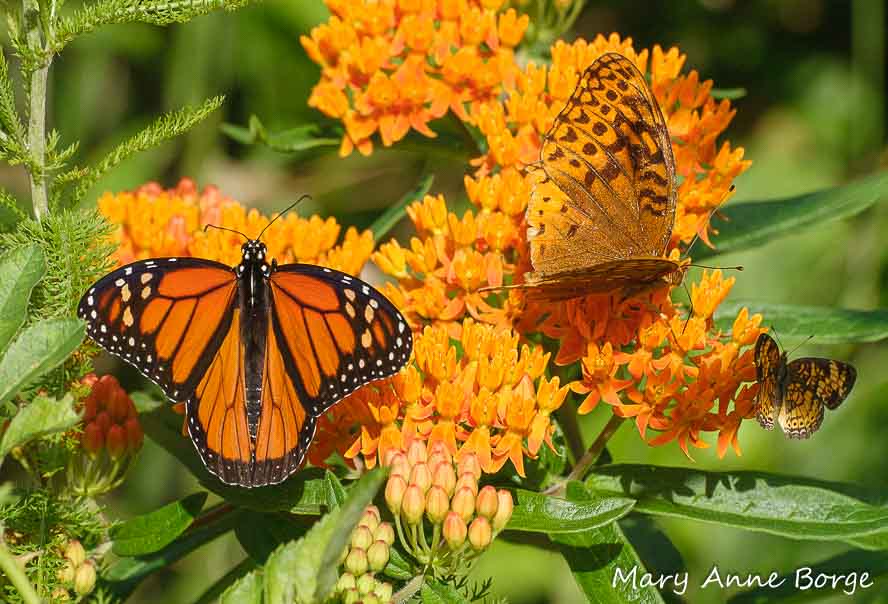
A recent study published in the journal Science revealed that butterfly populations in the United States declined 22% between 2000 and 2020. The drop in the northeastern United States was even worse: 32.6%. Some of the data comes from butterfly counts sponsored by the North American Butterfly Association (NABA). If you’ve participated in a NABA-sponsored butterfly count, you contributed data to this study.
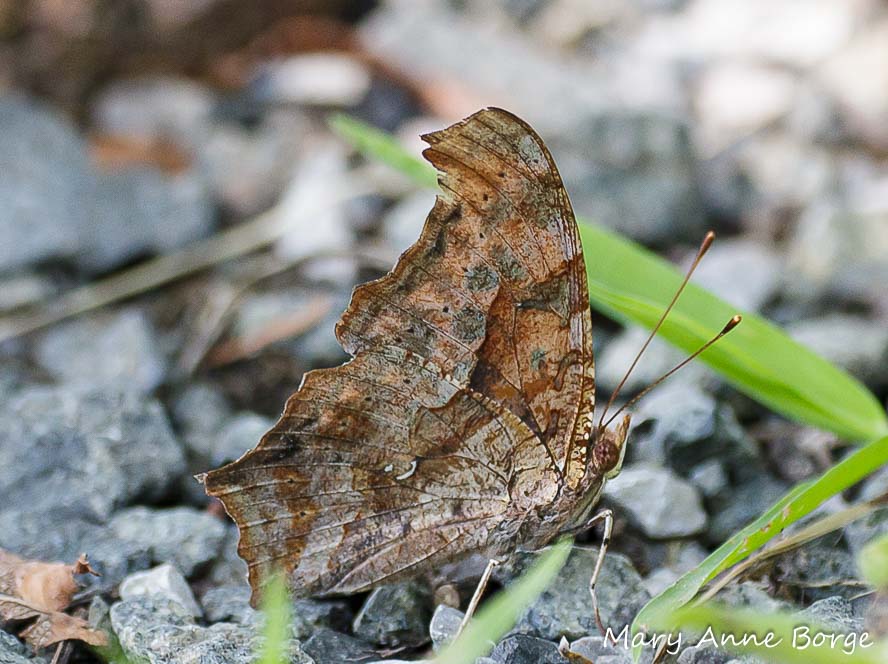
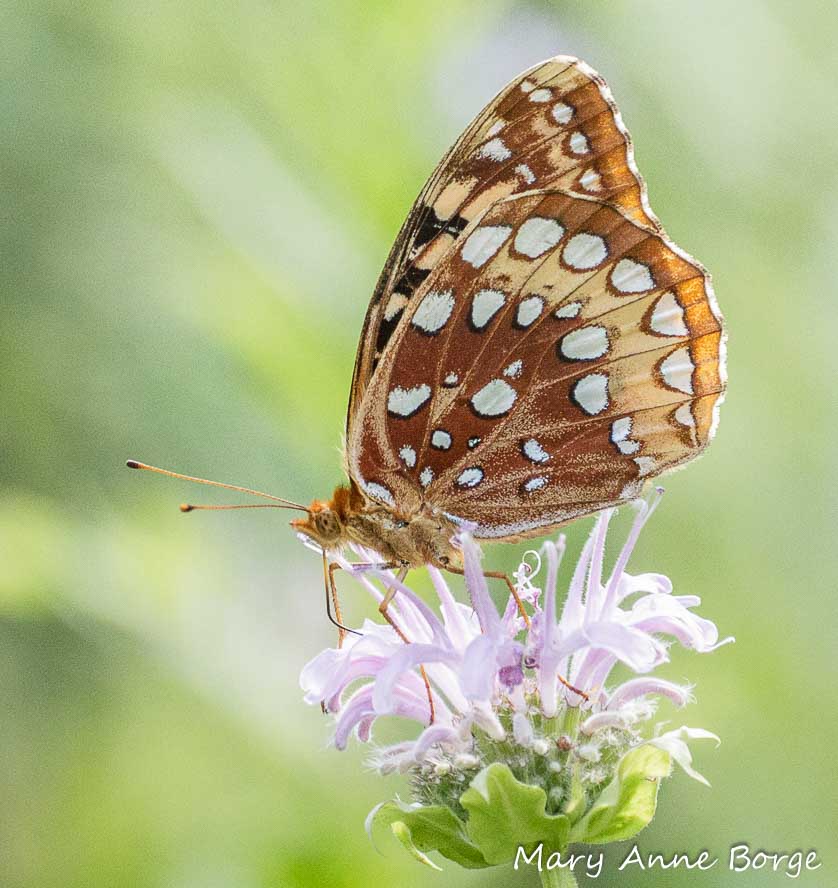
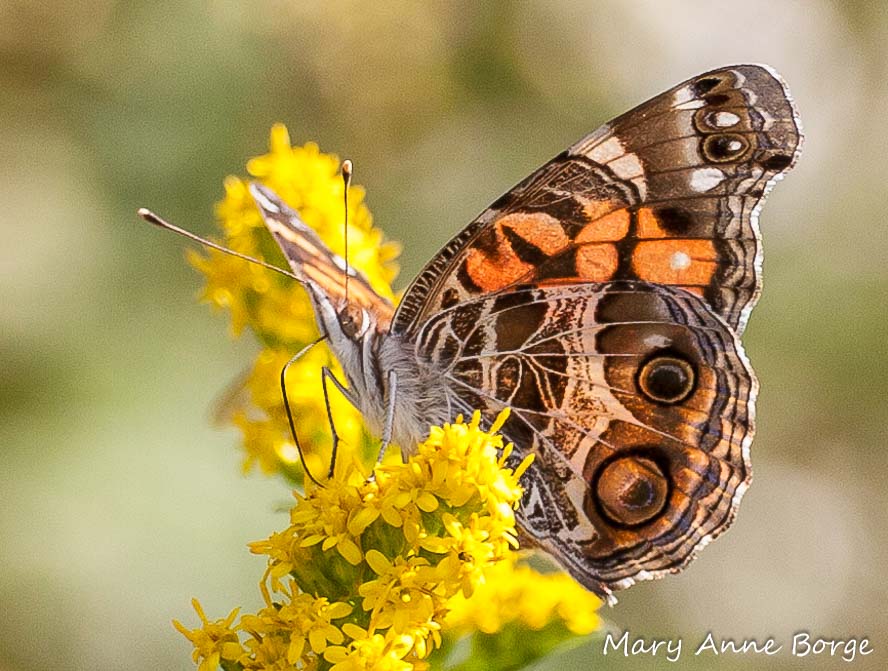
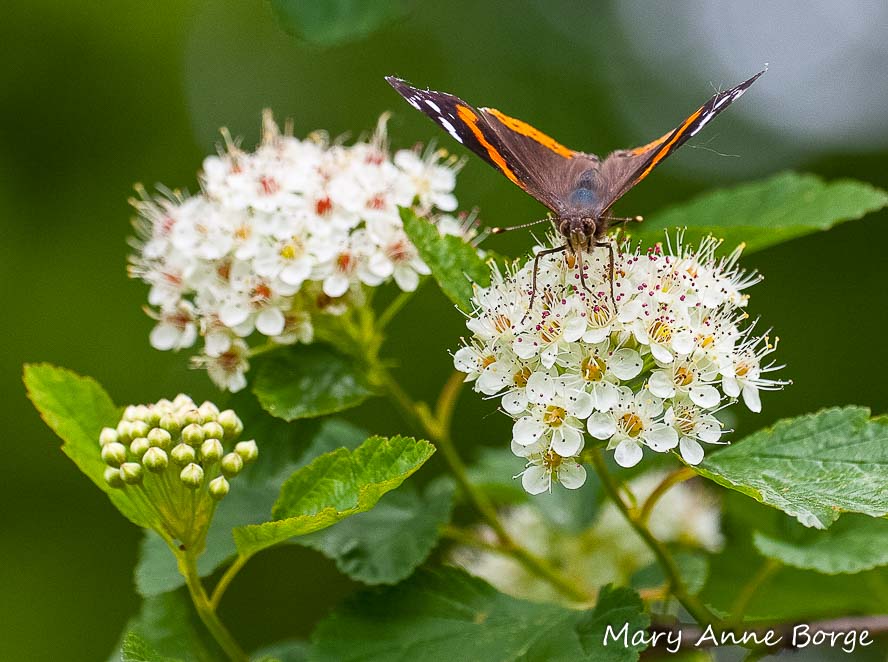
Question Mark, one of the earliest butterflies to emerge in the spring, and Great Spangled Fritillary both declined nationwide by about 55%. The American Lady population declined nationwide by 58%, Red Admiral by 44%.
While these numbers are pretty depressing, a deep dive into the data yields some interesting findings that give me hope that we humans can take action to make a positive difference for butterflies, bees, birds, all the other wildlife with which we share our space, and even ourselves.
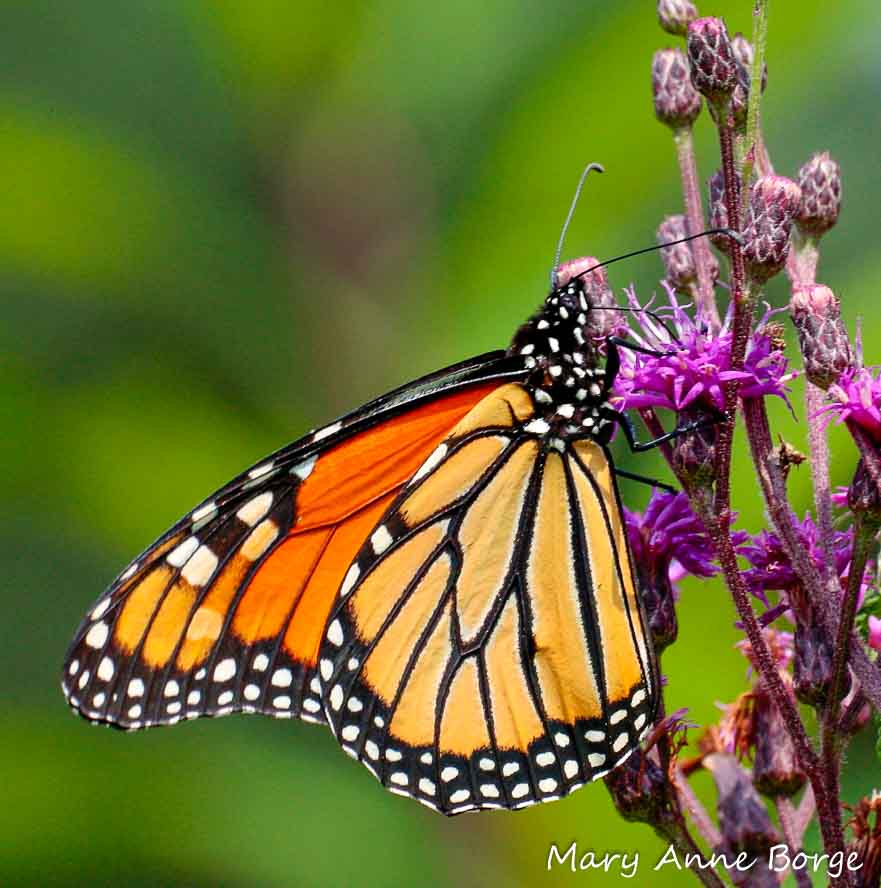
While the nationwide numbers for Monarchs are inconclusive for the period covered by the study, Monarchs increased by 79% in the northeast, and by 47% in the southeast. It seems likely that the recent emphasis on planting the Monarch’s required caterpillar food, milkweed, is a big factor in their improving numbers in the east. Offering nectar for butterflies is necessary, but it’s not enough for a species’ survival. Food for their caterpillars is also essential, along with some key habitat elements.
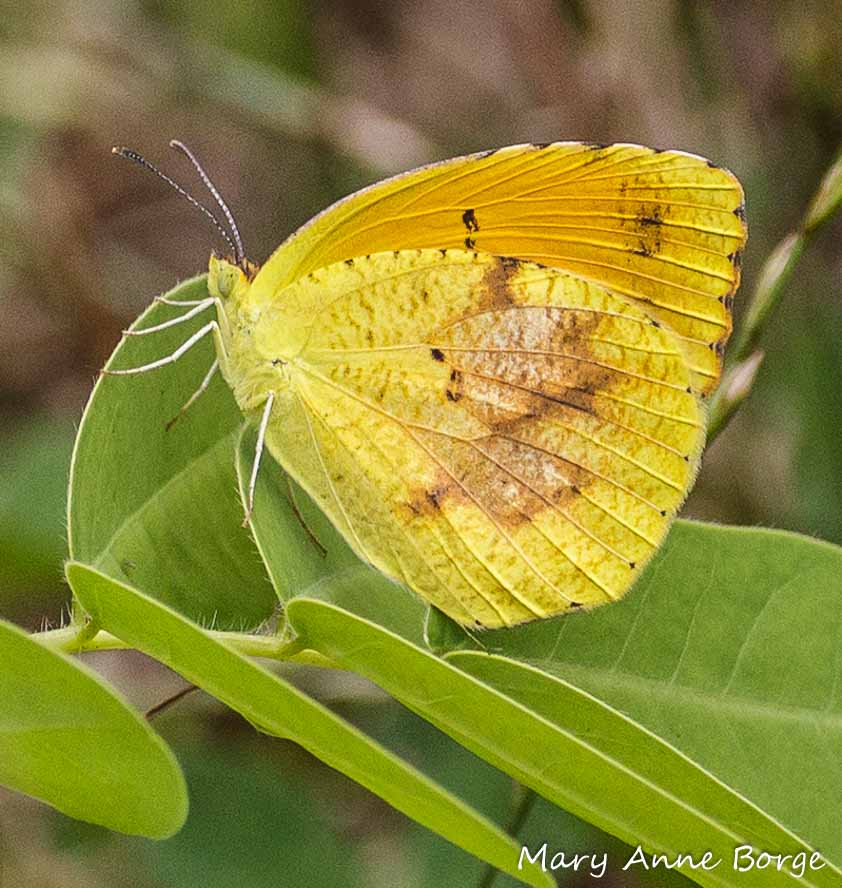
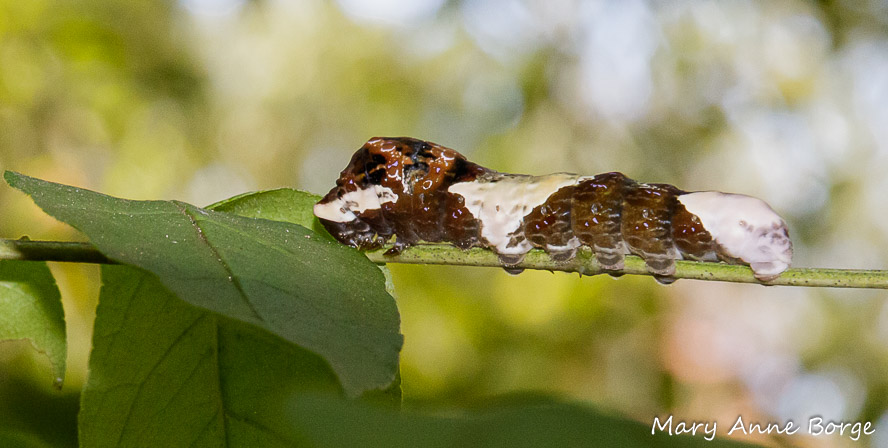
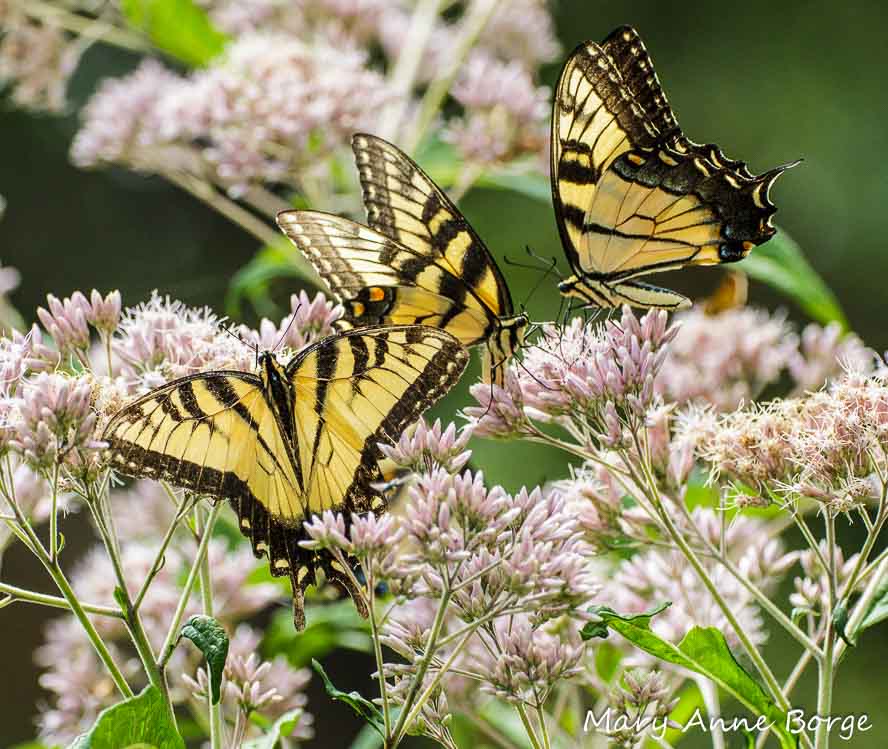
Some species whose territory extends through both southern and northern latitudes have declining or stable southern populations, but increases in the northern parts of their range. This is likely a reflection of the warming effects of climate change. Sleepy Orange, a butterfly that just 20 years ago was thought not to be able to survive winters further north than North Carolina, increased its population in the northeast by 475%, and in the Midwest by 1235%! In the southeast, their population seems to be stable, and may be increasing slightly. Giant Swallowtails have increased by 1351% in the northeast and 57% in the Midwest, while decreasing by 25% in the southeast and 48% in the southwest. This territory shift is only possible because the range of their caterpillar food extends into these northern regions, Wild Senna (Senna hebecarpa) and a few related plants for Sleepy Orange, and Citrus family members like Hoptree (Ptelea trifoliata) and Northern Prickly Ash (Zanthoxylum Americanum) for Giant Swallowtails.
Ready for more depressing statistics? More than 40% of insect populations worldwide are declining. Bird populations have declined almost 30% in the past 50 years. Insects are an important source of food for birds and other animals, so their decline has cascading effects.
The study postulates that the reasons for the steep decline in butterflies is a combination of pesticide usage, habitat loss, and climate change.
The good news is that each of us can take action to help reverse these trends. Many of these simple steps require us to do less. Here’s what you can do to help:
• Use plants that are native to your region. Local wildlife can’t survive without them. Native plants are adapted to their local soils, thrive without fertilizer, and will require little or no watering once established.
• Provide nectar sources throughout the growing season for adult butterflies and other pollinators. Make sure you also offer the plants butterflies need to feed their caterpillars. Like Monarchs, most butterfly species specialize on a few closely related plants as their caterpillar food, almost always native plants. Without food for caterpillars, the species will not survive. Many bee species also specialize on the plants on which they can feed.
• Replace as much of your lawn as possible with native plants. What remains, mow at least three inches high.
• Don’t use pesticides or herbicides! These poisons are likely a big contributor to the decline of butterflies, bees, other insects, and even birds. They have also been linked to cancer in dogs. What are they doing to your water supply, and the kids that play on the lawn? Let the dandelions, clover, violets, spring beauty and other flowering plants diversify your lawn.
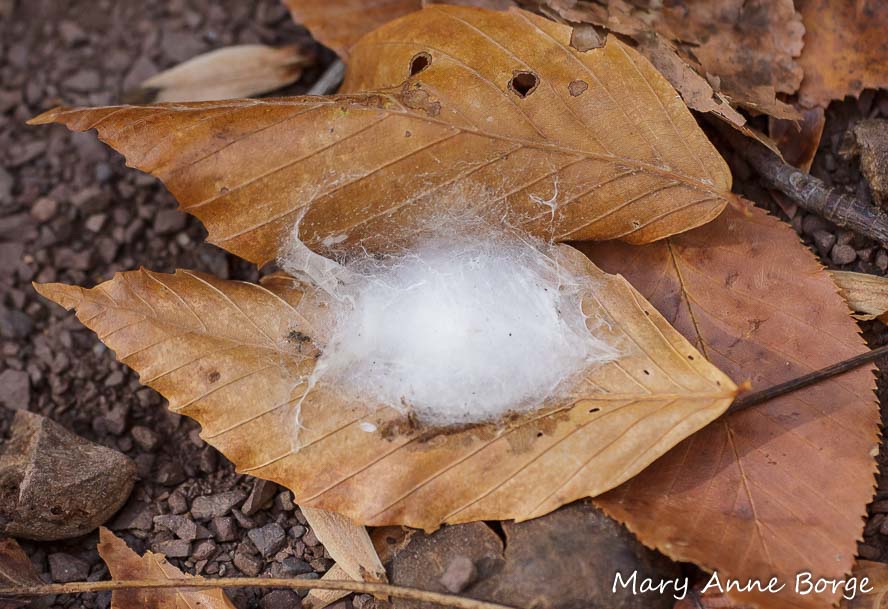
• Leave the fallen leaves in your flower beds, rake excess leaves from your lawn into a brush pile, or pile them up to smother a part of your lawn to make a new planting bed. The leaves are habitat for overwintering butterflies, bees, and other insects, and provide food for birds.
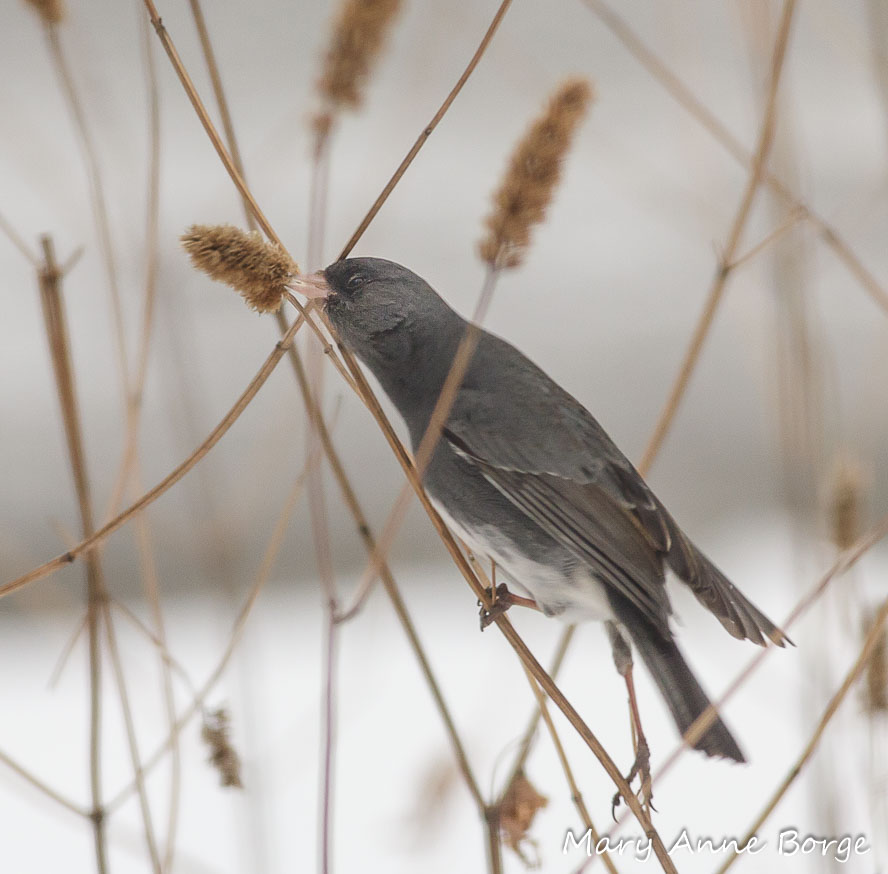
• Leave spent perennials standing in your garden. They provide habitat for insects, and food for birds.
• Know and remove invasive plants, including butterfly bush.
The remarkable thing is that these same steps will directly help people. We rely on insects to pollinate our food, aerate the soil, break down debris, feed other animals, and help keep other insects in check. These actions (and inactions!) will save you money, energy, time, and reduce your fossil fuel and water usage. Plants help mitigate the effects of climate change by removing pollutants from the air and water, reducing air temperatures, and enabling the ground to absorb more stormwater, reducing runoff, erosion, and flooding. Studies also show that exposure to nature improves human health in many ways.
Butterflies and other wildlife need our help. In helping them, we’re helping ourselves.
What we do on our own property and public spaces matters.
Resources to Help You Learn More
To read the study, click here.
To learn more about the butterflies you can expect to see in your area and their required caterpillar food, get a field guide to butterflies for your region, or try these resources:
National Wildlife Federation Native Plant Finder
Butterflies and Moths of North America
To learn more about plants that are native to your region, check the website of your local Native Plant Society. The North American Native Plant Society has compiled a list for most states and Canadian provinces. Many state and provincial societies offer classes or other programs themselves, and they can often point you to additional sources of regionally appropriate in-person and/or online education.
Another good native plant resource: Lady Bird Johnson Wildflower Center
These organizations offer in-person and virtual classes, and sell plants native to their region:
 The Natural Web
Loved this article Mary Anne! I’ve missed your beautiful writings and photographs!
Thank you, Pam!